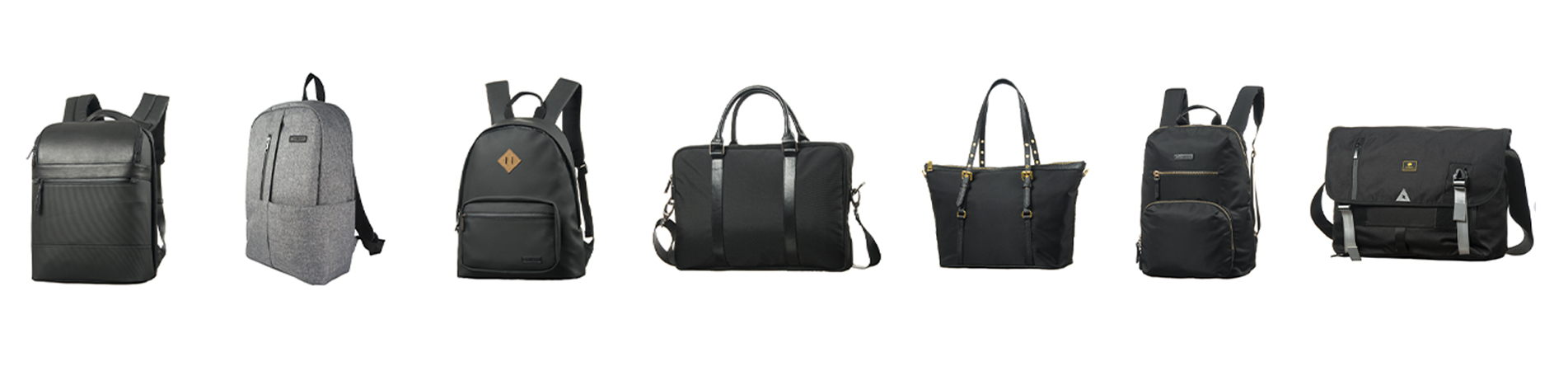
china backpack manufacturer
Home

Blog

Blog

  • PU Leather vs. PVC Leather: An OEM Leather Handbag Manufacturer's Guide for B2B Buyers
    PU Leather vs. PVC Leather: An OEM Leather Handbag Manufacturer's Guide for B2B Buyers Jun 12, 2026
    When overseas buyers approach an OEM leather handbag factory for their private-label collections, one of the earliest technical decisions is material selection. At Synberry, we specialize in custom leather handbag OEM production across categories—from structured business totes to soft casual crossbody bags. One question we field in nearly every initial consultation is: "Should we specify PU leather or PVC leather for this collection?" The answer depends on your target retail price point, destination market's regulatory environment, and the tactile identity of your brand. This article is a technical primer for buyers sourcing OEM handbag manufacturing partners, designed to help you specify materials with confidence and avoid costly sampling revisions.   1. What B2B Buyers Actually Need to Know: Structure & Production PU Leather (Polyurethane) in Handbag OEM Production PU leather uses a non-woven or knitted fabric substrate coated with polyurethane resin. In leather handbag OEM workflows, we typically specify: Dry-process PU: Direct resin coating. Firmer hand-feel, excellent for structured OEM leather handbags like briefcases, box satchels, and architectural mini-bags. Wet-process PU: Coagulation immersion creates a microporous structure. Breathability and softness approach genuine leather—ideal for soft totes, slouchy hobo bags, and foldable travel accessories. Manufacturing Note for Buyers: When you request Saffiano embossing or crocodile grain on a custom handbag order, PU retains surface texture far better than PVC. PVC tends to suffer from embossing reversion under heat-pressing, which can blur the pattern definition your brand requires. PVC Leather (Polyvinyl Chloride) in Bag Manufacturing PVC leather applies a woven fabric base coated with polyvinyl chloride resin. To achieve flexibility, plasticizers (phthalates) are added. While PVC is fully waterproof and highly abrasion-resistant, plasticizer migration is a long-term liability—particularly for buyers distributing in the EU and North America.   2. Technical Performance Data: The Numbers Behind Your Material Choice Property PU Leather PVC Leather Impact on OEM Leather Handbag Production Hand Feel / Softness Near-genuine; "meaty" rebound achievable Plastic-like; stiffens below 10°C Premium custom leather handbag lines require PU for perceived value Weight (g/m²) 350–550 500–800 PU reduces shipping weight for large OEM handbag orders Abrasion Resistance (Taber CS-17, 500g, 500 cycles) 0.8–1.2 mg loss 0.3–0.6 mg loss Tool bags & industrial totes may use PVC Flex Resistance (MIT fold, 20°C) 20,000–50,000 cycles 10,000–30,000 cycles PU resists surface cracking in cold-climate markets Peel Strength (N/3cm) 12–18 15–25 PVC coating adhesion is stronger; PU requires quality substrate control Hydrolysis Resistance (70°C, 95% RH, 10 weeks) Standard: 3–5 weeks; HR grade: 10+ weeks Stable; does not hydrolyze Tropical destinations (Southeast Asia, Latin America) require hydrolysis-resistant PU Operating Temperature -10°C to +60°C -20°C to +70°C PVC tolerates broader extremes but becomes brittle over time Waterproofing Water-resistant Fully waterproof Dry bags & marine accessories: PVC or TPU upgrade   3. Regulatory Compliance: Why Your Destination Market Dictates Material Choice For OEM leather handbag brands exporting to regulated markets, material chemistry is not merely a tactile issue—it is a compliance gate. Compliance Standard PU Leather PVC Leather Sourcing Risk for Handbag OEM Buyers U.S. CPSIA Passes lead/phthalate limits Lead stabilizer risk; phthalate limits apply Children's OEM handbags & lunch totes face strict testing California Prop 65 Low risk Warning required if DINP/DEHP present No safe harbor for listed phthalates EU PPWR (2026+) Recyclable TPU stream Chlorinated polymer; poor recyclability Circular-economy mandates favor non-PVC VOC Emissions Low Higher (plasticizer off-gassing) Indoor storage & retail display standards Carbon Footprint (kg CO₂e/m²) 4.5–7.0 6.5–10.0 ESG reporting increasingly required by EU retailers Synberry Production Note: When we produce custom leather handbag OEM orders for European, Australian, or North American clients, we default to PU unless the buyer explicitly requests PVC for a specific functional application. This protects your brand from downstream regulatory liability.   4. Application Matrix: Matching Material to Bag Category Bag Category Recommended Material Thickness Why This Choice? Premium women's structured handbags Wet-process PU 1.0–1.4 mm Saffiano / Pebble embossing; luxury hand-feel Business briefcases & work totes Dry-process PU 1.2–1.6 mm Structural rigidity; professional aesthetic School backpacks & kids' bags REACH-grade PU 0.8–1.2 mm Mandatory CPSIA/EN 71 chemical safety Travel duffels & foldable totes Lightweight PU 0.6–0.9 mm Airline weight restrictions Promotional & event giveaway bags PVC 0.5–0.8 mm Cost-optimized; short lifecycle Industrial tool bags & utility pouches PVC 1.0–1.5 mm Abrasion & puncture resistance Waterproof outdoor bags PVC or TPU 0.8–1.2 mm TPU recommended for eco-positioned brands   5. How to Specify Materials in Your OEM Leather Handbag RFQ One of the most effective ways to reduce sampling rounds by up to 60% is to eliminate material ambiguity in your initial inquiry. When contacting an OEM handbag manufacturer, avoid vague terms like "synthetic leather" or "faux leather." Alternatively, please specify: PU leather  Thickness: e.g., 1.0 mm  Surface finish: Saffiano, lychee grain, crocodile embossed, matte, glossy Performance grade: Standard or hydrolysis-resistant (for humid markets) Backing fabric: knitted or any other fabric (affects stitchability in OEM leather handbag assembly) For PVC Leather Orders, Specify: Plasticizer type: Request non-phthalate (DINCH) if market requires Base fabric: Woven specification (affects tear strength) Surface treatment: Matte, pearlized, or mirror glossy Intended use: Promotional, industrial, or waterproof outdoor   6. The Sustainability Upgrade Path For brands positioning above the standard OEM leather handbag tier, consider these advanced materials: Material Sustainability Profile Hand Feel Best Application Water-based PU No DMF solvent; low VOC Excellent Luxury vegan handbag lines Silicone leather Platinum-cured; extremely durable Soft, silky Medical-grade & premium travel Recycled PU Post-industrial waste stream Comparable to virgin ESG-compliant corporate collections Bio-based PU (castor/corn oil) Reduced petrochemical content Good Eco-conscious consumer brands   Conclusion: In OEM handbag manufacturing, the PU vs. PVC decision is not simply a cost calculation. It is a strategic choice that affects regulatory compliance, brand perception, and product lifecycle. For buyers targeting EU, North American, and Australian retail channels, PU has become the de facto standard for OEM leather handbag collections; PVC's cost advantage is narrowing as environmental regulations tighten globally. At Synberry, we bring 30+ years of production management experience to every custom leather handbag OEM project. We recommend confirming your material specifications during the technical review phase—before sampling—to avoid re-work costs and timeline delays. Have a project brief? Send it over. We'll assess material fit, compliance gaps, and sampling scope—usually within 1~2 business day.   Author        
  • Materials purchasing process as being an Expert Bag Manufacturer
    Materials purchasing process as being an Expert Bag Manufacturer Jun 11, 2026
    As an OEM/ODM manufacturer specializing in B2B custom bag production, SYNBERRY BAG has served well-known brand clients in more than 40 countries worldwide. We understand that when brands choose a manufacturing partner, they care about more than just pricing and lead times—they are equally concerned with one key question: How does the factory ensure consistent and reliable quality across every production batch? The answer goes beyond strict supervision during the manufacturing process. It begins with the material purchasing system. In this article, we will provide a comprehensive breakdown of SYNBERRY BAG’s end-to-end material sourcing and purchasing process, helping brand owners, purchasing managers, and supply chain professionals understand how a professional bag manufacturer leverages systematic material management to safeguard product quality and ensure the success of every order.   I.  Why Is Material purchasing the “First Process” of Bag Quality? When auditing a factory, many brands focus on the sewing workshop and finished-product inspection area, but they often overlook one fact: once defective materials enter the production line, no matter how sophisticated the craftsmanship is afterward, it cannot make up for the problem. Common material risks include: Fabric weight deviation: For example, canvas labeled as 12 oz may actually be only 10 oz, resulting in finished products that are soft, lack structure, and have insufficient load-bearing capacity. Insufficient color fastness: Color fading and color transfer can easily occur during use. This not only affects the appearance of the bag but may also stain consumers’ other garments, directly damaging the brand’s reputation. Insufficient fabric width: This directly leads to increased material consumption during the cutting process, raising overall production costs and disrupting the original cost calculations. Failure to meet environmental testing requirements: Harmful substances such as heavy metals and phthalates in dyes or coatings may exceed allowable limits, making the materials unable to pass the quality and compliance requirements of the target market. As a result, the entire shipment may face the risk of being held in inventory or recalled. Insufficient zipper tensile strength: Metal zipper pullers may break during load-bearing tests, resulting in customer complaints. Hardware oxidation: If the electroplating layer is not thick enough, rust may appear shortly after consumers begin using the product, damaging the brand’s reputation. Almost all of these issues are directly related to inadequate material purchasing and quality control in the early stages. If problems are only identified and corrected after the products have been completed, manufacturers not only face significant rework costs but also risk delaying order delivery, which can have an irreversible impact on a brand’s product launch schedule. For bag products, the quality of the materials themselves determines the baseline quality of the finished product. No matter how skilled the craftsmanship or how sophisticated the design, substandard raw materials can never be transformed into qualified finished goods. Therefore, effective quality control does not begin when materials enter production. It starts much earlier—with raw material sourcing and purchasing. Carefully screening suppliers and controlling the quality of every batch of incoming materials at the source is the fundamental prerequisite for ensuring consistent quality across the entire order. This is precisely why material purchasing is rightly regarded as the “first step”—and the first line of defense—in bag quality assurance.   II.  SYNBERRY BAG Material purchasing Full Process (Six-Step Closed Loop) Our material purchasing process is not simply a matter of “placing an order and receiving goods.” It is a six-step closed-loop system that covers requirement definition, supplier management, incoming material inspection, production allocation, and leftover material traceability.   Step 1: Requirement Analysis and Specification Lock-In Before each order is initiated, our purchasing team conducts a quantitative technical parameter analysis of the materials pre-approved by the client. This parameter sheet serves both as the purchasing standard and as the benchmark for subsequent material inspection. Key Confirmation Items Include: Confirmation Dimension Specific Content Example Fabric Category Material, weaving method, process 16oz 100% cotton canvas, plain weave, pre-shrunk Weight/Thickness Unit area weight or thickness in mm 16oz (approx. 540 GSM) Color Standard Pantone code, GCC standard color code, or client-provided swatch Pantone 4052 / GCC163 Physical Properties Tensile strength, tear strength, color fastness, shrinkage rate Warp tensile ≥800N, color fastness ≥4 Environmental Compliance Regulatory requirements for target market EU REACH, US CA Prop 65, OEKO-TEX 100 Functional Requirements Waterproof, flame-retardant, UV-resistant, antibacterial, etc. PU or PVC coating, water pressure resistance ≥3000mm Hardware/Accessories Zippers, buckles, webbing, Velcro specifications YKK #5 metal zipper, nickel-free plating, salt spray test ≥48h Requirement Analysis and Specification Lock-In   Step 2: Supplier Evaluation and Approval SYNBERRY BAG has established a tiered supplier database, and not all materials are purchased indiscriminately from the market. Supplier Admission Standards: 2.1  Qualification Review: Business license, environmental discharge permits, quality control system 2.2  On-Site Factory Audit: Annual audits for core fabric suppliers, focusing on weaving workshops, dyeing & finishing workshops, and laboratories 2.3  Sample Testing: New suppliers must provide an A4-sized fabric sample, which our laboratory tests through four basic assessments: Composition Analysis – using burning method, dissolution method, or infrared spectroscopy Color Fastness Testing – dry and wet rubbing, washing, and perspiration tests Physical Performance Testing – tensile strength, tear strength, and bursting strength Environmental & Safety Testing – checking for phthalates, heavy metals, and azo dyes The image shows a fabric tensile strength test. Supplier Tier Management: Tier Definition Cooperation Strategy Grade A No major quality incidents for 3 consecutive years, with a first-pass test rate ≥95% Strategic partner; priority order allocation; joint development Grade B Occasional minor issues, but timely corrective actions Standard cooperation with strengthened inspection and sampling Grade C Frequent quality issues or poor corrective performance Cooperation suspended; removed from approved supplier list   Step 3:  Sample Confirmation and Pre-Production Approval (Sealed Sample) Before bulk purchasing begins, we must complete the following sample confirmation process: A4 samples / color swatches provided by suppliers: Used for preliminary confirmation of color and fabric density. Pre-production samples made by SYNBERRY BAG: A 1:1 finished bag is produced using actual bulk materials to conduct pre-production testing. Only after all raw materials and accessories are confirmed qualified can bulk production begin. Client-signed approval samples: Final confirmation is provided by the brand customer, in duplicate, with each party retaining one copy. Archiving of raw materials and components: Approved samples of fabrics, linings, zippers, buckles, and other accessories are retained and sealed for more than 12 months. If any abnormality occurs after shipment, they can be used as reference evidence. Sealed sample management: All approved and signed samples are stored in a dedicated sample room and labeled with the order number, client name, material batch number, supplier name, and production date. The purpose of this step is to transform subjective perception into objective standards. When bulk goods arrive, quality inspectors can compare them directly against the sealed samples instead of relying on memory for judgment.   The image shows the use of a professional spectrophotometer to verify the color of different fabric batches.   Step 4: Bulk purchasing and Incoming Quality Inspection (IQC) After bulk materials arrive at the factory, an Incoming Quality Control (IQC) process is carried out as follows: 4.1 Quantity Verification Verify the item name, specification, and quantity against the delivery note and purchase order Weight sampling inspection: Weigh each roll of fabric to verify whether the actual meter/yardage is sufficient 4.2 Appearance Inspection (100% inspection or AQL sampling) Color variation: Color differences between rolls, and between the beginning, middle, and end of each roll (graded using a grey scale; ≥ level 4 is considered acceptable) Defects: Broken warp, broken weft, reed marks, oil stains, holes, and skewed weft Width: Check whether the measured fabric width deviation is within ±2% of the specification 4.3 Physical Performance Sampling For each batch, 3% of rolls are randomly selected and sent to the laboratory for re-testing of tensile strength, color fastness, and shrinkage rate If any item fails, the entire batch is rejected or downgraded for alternative use 4.4 Environmental & Safety Sampling For each batch, 1 meter of fabric is retained and archived for at least 2 years for third-party inspection or customer complaint traceability For EU/US orders, depending on market compliance requirements for different product categories, samples from each batch are sent to third-party laboratories (such as SGS or Intertek) for relevant compliance testing Handling of Non-Conforming Materials: Minor defects (e.g., localized color variation): Communicate with the brand in a timely manner to determine whether the material can be downgraded for non-visible areas or restricted applications Severe non-conformity: The entire batch is returned and strictly prevented from entering the production process   Step 5: Production Allocation and On-Site Material Management Qualified fabrics are transferred to the material warehouse and managed under a strict batch control system: FIFO (First-In, First-Out): Materials are used in the order they are received to prevent long-term storage and material aging Zoned storage: Fabrics are separated by material type, customer order, and color to avoid cross-mixing Temperature and humidity control: The fabric warehouse is kept well-ventilated and dry, with humidity controlled at ≤70% to prevent mold growth Clear labeling: Each roll of fabric is labeled with product name, specification, batch number, storage date, and inspection status Production material issuance: When issuing materials to the cutting department, the warehouse manager and cutting supervisor jointly verify the “Production Material Requisition Form” to ensure consistency between issued batches and order requirements Full-process on-site inspection: On-site QC conducts regular inspections of materials in production. If color deviation or defects are detected, production is immediately halted and reported to the quality control department for traceability and corrective action. Defective materials are strictly prohibited from entering the next sewing process. If minor defects are found within the same batch, they are separately isolated and stored, and are not allowed to enter normal production flow The image shows on-site QC conducting routine inspections.   Step 6:  Material Traceability and Data Review After an order is completed, leftover materials are not simply discarded. Instead, they are managed through a dedicated leftover material management system: Usable leftover materials: Registered and stored in inventory for future use, such as customer reorders, sample production, or small-volume orders Scrapped leftover materials: Disposal records are documented with reasons (e.g., color deviation, defects, order cancellations), serving as part of supplier evaluation criteria Data archiving: The material qualification rate, supplier on-time delivery performance, and customer complaint rate for each order are recorded in the system to form a supplier performance profile Each quarter, the purchasing and quality control departments hold a material quality review meeting to analyze: Which suppliers show declining batch qualification rates? Which material categories have the highest customer complaint rates? Whether new suppliers should be developed or material specifications adjusted for the next season This closed-loop system ensures that SYNBERRY BAG’s material purchasing framework is continuously evolving rather than remaining static.   III.  Key purchasing Points for Different Materials Different materials carry very different risk factors. Here are SYNBERRY BAG’s practical insights from purchasing experience: 1. Canvas / Cotton & Linen Weight traps: Fabric weight deviations are common and must be verified by weighing upon warehouse entry Shrinkage: Unpre-shrunk canvas can deform significantly after the first wash when made into bags. Suppliers must provide pre-shrunk treatment or the factory must pre-shrink in-house Organic cotton certification: If the client requests organic cotton, GOTS or OCS certificates must be checked, and it must be confirmed that the certificate scope covers the specific supplier 2. Nylon / Polyester Denier and density: Differences between 210D, 420D, and 600D fabrics are not only in thickness but also in weaving density. Fabrics with insufficient density, even if the denier is correct, will have greatly reduced tensile and abrasion resistance. Warp and weft density must meet specification requirements Waterproof coating: Uneven PU or PVC coating thickness can lead to inconsistent waterproof performance. Water pressure testing is required Recycled materials: Recycled polyester (rPET) must be accompanied by a GRS (Global Recycled Standard) certificate, and the recycled content ratio must be verified 3. PU / PVC Synthetic Leather Harmful substances: Focus on phthalates, azo dyes, and heavy metals, especially for EU/US exports Peel strength: The peel strength between the PU layer and base fabric must be ≥1.5 kg/cm; otherwise, delamination may occur during use Hydrolysis resistance: For PU leather used in humid regions (e.g., Southeast Asia), select hydrolysis-resistant formulas to prevent powdering within six months 4. Hardware (Zippers, Buckles, Hooks) Salt spray test: Metal parts must pass a 24-hour salt spray test to ensure they do not rust Tensile test: Zipper pulls, D-rings, and hooks must withstand the specified tensile load (e.g., zipper pull ≥50 kg) Nickel release: Metal parts for EU export must comply with REACH Annex XVII nickel release limits 5. Webbing / Elastic / Velcro Color fastness: Dark-colored webbing (e.g., black, navy) is prone to fading and must be tested thoroughly Velcro durability: Velcro must maintain at least 70% of its adhesion strength after 5,000 open-and-close cycles to be considered acceptable The image shows a waterproof test being conducted on polyester fabric using professional equipment   IV.  Sustainable purchasing: SYNBERRY BAG’s Green Supply Chain Practices More and more brand clients are incorporating sustainable materials into their purchasing standards. At SYNBERRY BAG, we have already established the following capabilities in material sourcing: Sustainable Material Certification Requirements Application Scenarios Organic cotton canvas GOTS / OCS 100 Eco-friendly shopping bags, organic cotton tote bags Recycled polyester (rPET) GRS Eco backpacks, sports bags Recycled nylon (ECONYL®) GRS / Brand authorization High-end travel bags, diving bags Natural cork / apple leather fiber Supplier environmental declaration Vegan brand bags Eco-friendly PU Free from DMF, low VOC Alternative to traditional solvent-based PU to reduce pollution Our purchasing team proactively provides material substitution solutions for brands. For example, replacing virgin polyester with recycled polyester typically increases cost by around 8–12%, but it supports the brand’s ESG narrative and meets the sustainability requirements of European and American retailers.   V.  How B2B Clients Participate in SYNBERRY BAG’s Material Decision-Making We encourage brand partners to actively participate in the following stages rather than passively accepting factory decisions: Material recommendation stage: Share your target price range and desired texture; we will provide 2–3 material options along with physical swatches for comparison Pre-production sample confirmation: Clients are encouraged to personally evaluate the actual hand feel, color, and compatibility with the final product. Any adjustments can be made at this stage Sealed sample confirmation stage: Please carefully verify the final approved sample before signing. Once signed, the sealed sample will serve as the inspection standard for bulk production, ensuring alignment between both parties on material requirements Early definition of special requirements: Functional requirements such as flame retardancy, waterproofing, or antibacterial treatment must be specified at the quotation stage rather than added during bulk production   Conclusion: Material purchasing as an Invisible Competitive Advantage In the bag manufacturing industry, the sophistication of the material purchasing process directly determines whether a factory can consistently deliver products that are “equally good in every batch.” SYNBERRY BAG’s six-step closed-loop material purchasing system—from requirement definition, supplier qualification, sample sealing, incoming quality inspection, and production allocation, to data review—is essentially a risk-prevention system shifted upstream. We have moved the starting point of quality control from the finished goods inspection stage to the raw material warehouse, and even further upstream to the weaving workshops of our suppliers.   Author        
  • 6 Hidden Costs in Custom Bag Sourcing
    6 Hidden Costs in Custom Bag Sourcing Jun 10, 2026
    The quoted price per unit is never the total cost of ownership. If you source custom bags for retail, commercial campaigns, or corporate gifting, you have likely experienced this: the unit price looked competitive, but by the time the goods landed in your warehouse, your margin had vanished. After 30+ years in OEM/ODM bag manufacturing, we’ve seen how "hidden costs" erode budgets and damage buyer-supplier relationships. Here are the six most common traps—and how to avoid them.   1. Sample Iteration Costs: The "Death by a Thousand Revisions" Most buyers budget for one or two prototypes. In reality, achieving the right shape, material hand-feel, color match, and functionality often takes 3–5 rounds—sometimes more for complex constructions like molded backpacks or multi-compartment travel bags. The hidden cost:  Each time sample modification carries below costs: Sample labor and material charges Shipping costs (international couriers such as FedEx, UPS, DHL) Internal design time and opportunity cost Delayed market entry How to avoid it:  Before committing to sampling, invest time in thorough alignment with your bag manufacturer on materials, workmanship, structure, and quality requirements. The goal is to realize your design intent as closely as possible in the very first sample, keeping any subsequent revisions to minor details only. Should you have concerns about materials or colors, confirm fabric swatches or color cards before sampling begins. With this preparatory work done properly, you can typically reduce sample rounds by up to 60%.   2. Material MOQ & Dead Stock Liability You need 500 bags, but your supplier’s leather vendor requires a 600yards minimum. Your lining fabric MOQ is 1,000 yards. Your custom zipper puller requires a 2,000-piece per mold. The hidden cost: You either absorb the excess material cost into your 500-unit order (inflating unit cost by 20–40%), or you pay for dead stock that sits in the factory’s warehouse. How to avoid it: Choose a manufacturer with consolidated material purchasing power and established vendor relationships. Bag manufacturer’s volume across multiple clients allows them to get lower material MOQ sometime or just to pay a small dyeing fee for requested colors and absorb regularly used material into their inventory pool, reducing your exposure.     3. Tooling, Dies, and Mold Amortization Custom bags often require: Die-cutting dies for unique panel shapes Embossing plates for logos Woven webbing with customized logos Metal patch with customized logo Injection molds for custom buckles  Metal molds for customized zipper pullers The hidden cost: Many factories’ quotes did not show tooling or only indicate after unit price confirmed and PO placed.  How to avoid it: Clarify tooling fee upfront, ask if product unit price including amortization of tooling, if not ask supplier to list for molding and plates fee at initial quotation stage when customized logos exist.   4. Product Compliance At manufacturing side, when they confirm products can be compliance with REACH, CPSC, CA Prop 65, it doesn’t naturally mean that they would provide testing report. In fact, unless brands required beforehand, manufacturers normally do not consider product testing fee into product quotation, testing is either done by clients or suppliers send samples to third party labs but testing bill is paid by buyers.  How to avoid it: Partner with a manufacturer that understands destination-market compliance before production begins, clarify which party will be taking care of testing and testing bills.    5. Shipping Terms and Logistics Different shipment terms can generate unexpected costs that may not be immediately apparent. EXW — Ex Works Definition: The seller completes delivery by making the goods available at their premises (factory, warehouse, or workshop). From that point onward, the buyer assumes all costs and risks. The buyer must independently coordinate with freight forwarders, customs brokers, and transport carriers, resulting in substantial time investment and coordination overhead. FOB — Free On Board The seller delivers the goods to the designated port of shipment and loads them onto the vessel nominated by the buyer. Risk and all subsequent transportation costs transfer to the buyer once the goods cross the ship's rail (or are loaded on board). Under FOB terms, the buyer typically arranges the vessel booking. If supplier delays necessitate rebooking or cause container detention, associated demurrage and detention charges are for the buyer's account. CIF — Cost, Insurance and Freight Definition: The seller charters the vessel, pays freight to the destination port, and arranges marine insurance with minimum coverage. However, risk transfers to the buyer the moment the goods are loaded aboard the vessel at the port of shipment. DDU — Delivered Duty Unpaid Definition: The seller transports the goods to the buyer's specified destination (e.g., warehouse), but does not handle import customs clearance or duty payment. The buyer is responsible for import clearance and all applicable taxes. As DDU/DAP excludes customs duties, buyers unfamiliar with HS code classification may encounter unexpectedly high tariffs or inspection costs. DDP — Delivered Duty Paid Definition: The seller assumes all costs and risks to deliver the goods to the buyer's designated location, including export clearance, international freight, import clearance, and all customs duties and taxes. Should the supplier under-declare values or misclassify HS codes to minimize duties, the buyer—as the legal importer—may face tax retroactive assessments and compliance risks.   6. Rework, Recall, and Reputation Damage This is the cost no one puts in the RFQ, but it is the most expensive. If your bulk order arrives with color discrepancies, zipper failures, or incorrect logo placement, your options are limited: Ship anyway and damage your brand reputation Rework locally at 3–5 times of the manufacturing cost Return to factory (expensive, slow, and sometime logistically impossible) Scrap and reproduce (catastrophic for timelines and budgets) The hidden cost: Beyond the direct financial hit, there is the cost of lost shelf space, disappointed clients, and damaged supplier trust. How to avoid it: Invest in prevention, not correction. Therefore, find with the right bag manufacturer is the most important decision before you move for your project. Then a multi-stage QC system—including material incoming inspection, in-line process verifications along each procedure, and pre-shipment 100% AQL inspection —is designed to catch defects before they leave the factory floor.  The Real Math: Total Cost of Ownership  Cost Category Typical "Hidden" Impact Ideal Approach Sample iterations $500–$2,000 + lost time Structured development, fewer rounds Material MOQ surplus 20–40% unit cost inflation Pooled purchasing, lower MOQs Tooling amortization Hidden in unit price Transparently shared Compliance & logistics $0.50–$2.00 per unit surprise Pre-planned, destination-ready Rework / recall Potentially catastrophic Multi-stage QC, prevention-first   Final Thought The lowest unit price often carries the highest total cost. Smart B2B buyers evaluate suppliers on landed cost predictability and risk mitigation, not just the number on the quotation sheet. At SYNBERRY, we believe transparency is a competitive advantage. Every quotation we issue include clear breakdown of molding, product unit cost, logistic options—so you can plan accurately and protect your margin.   Don’t let hidden costs eat your margin. Request a transparent TCO quote for your next custom bag project. We’ll map out the full cost picture before you commit to production.   Author        
  • Bag Factory Sampling Process: A Complete Guide for B2B Buyers
    Bag Factory Sampling Process: A Complete Guide for B2B Buyers Jun 09, 2026
    For brands and wholesalers planning to customize bag products, understanding the professional bag factory sampling process is the key to ensuring bulk production quality and shortening development cycles. This article breaks down every step from design drawings to confirmed samples, helping you efficiently advance your OEM/ODM bag customization projects.   I. Pre-Sampling Requirements Communication & Documentation Before sampling officially begins, clear requirements communication is the foundation for avoiding repeated revisions and controlling development costs. As a professional bag manufacturer, we recommend clients prepare the following materials before sampling: Documentation Type Specific Content Remarks Physical Sample Having a physical sample as reference is ideal; it provides the clearest quality benchmark for the factory. If no physical sample is available, please refer to the process description below. Design Drawings 1) Bag dimensions, structure, and functional design; 2) Fabric material details (e.g., 840D nylon, canvas, genuine leather, or vegan leather), color, and thickness; 3) Accessory requirements: zipper brand (e.g., YKK, SBS), buckle type (e.g., FIDLOCK buckle, ITW Nexus), hardware color; 4) Craft details: print/embroidered logo placement, stitching technique (e.g., standard stitching, or unconventional processes like HOT SEAL). 1) PDF/AI files preferred; experienced factories can also proceed from hand sketches or concept drawings. 2) Provide physical color swatches or Pantone codes. 3) Premium accessories like YKK zippers or FIDLOCK buckles often require significantly longer lead times. 4) Consider load-bearing requirements. Quantity & Purpose Sample quantity, estimated final order volume, target market. Influences sampling strategy and quotation approach. Product Positioning For niche or startup brands, providing product grade positioning and target audience positioning is recommended. This ensures both parties share a consistent understanding of product requirements from the outset. Testing or Compliance Requirements If testing or compliance requirements exist, they must be clearly stated at the initial development stage. So that sample materials and process design can meet requirements.   II. Six Core Stages of the Sampling Process Stage 1: Drawing Review & Process Evaluation (1–3 Business Days) Upon receiving design materials, the factory technical team conducts a Design for Manufacturing (DFM) feasibility assessment. Key review areas include: Whether material requirements are clear and specific. Often, clients request "Saffiano Leather," but this term only describes the surface texture (crosshatch pattern) and does not indicate actual material standards. Leather grades vary widely, with prices potentially ranging from $2/yd to $10/yd or higher. Whether manufacturing processes align with factory capabilities. Whether any special processes require mold development. Whether design detail requirements can be scaled for mass production. This stage may generate process modification recommendations for client confirmation.   Stage 2: Material Preparation & Procurement (3–7 Business Days) Based on the sample or design drawings, the factory procures materials, including: Outer fabric, lining, and special materials such as RPET or organic cotton. These materials are not as widely available as conventional options, so buyers are advised to request factory color swatches during the initial communication phase (Stage I). Zippers, webbing, buckles, and hardware accessories. If branded zippers or buckles like Lambo/Fidlock are used, material procurement cycles will be longer. Logo production or mold development according to process requirements.   Stage 3: Pattern Making & Prototype Construction (3–7 Business Days) Based on the physical sample or design drawings, the sampling room master first creates a PAPER PATTERN. Experienced pattern makers can often construct a 3D product mockup from the paper pattern alone. The quality of the product silhouette depends heavily on this paper pattern. Using the finalized paper pattern, fabric is cut at 1:1 scale. Logo production according to process requirements (e.g., silk screen, heat press, or embroidery). Assembly of inner pockets, zippers, buckles, straps, and other accessories. Completion of overall stitching.   Stage 4: Internal Sample Review & Corrections (1–2 Business Days) After the initial sample is completed, a professional bag manufacturer does not immediately ship it to the client. Instead, an internal three-step review is conducted: Sample maker self-inspection: Appearance and dimensional checks. Joint review by product engineers and pattern makers: When a new product is developed, professional factories conduct product evaluation at this stage to assess potential process difficulties and structural rationality, ensuring mass production feasibility while guaranteeing that future bulk product quality will match the sample. Internal product testing: Professional bag manufacturers perform much work that clients may not be aware of. For example, after sample completion, the factory conducts basic physical tests such as load-bearing tests (particularly for straps and handle stress points), zipper smoothness, and open-close cycle tests. Stage 5: Client Confirmation & Feedback Collection After receiving the sample, clients are advised to verify the following dimensions: Verification Item Inspection Points Common Issues Appearance & Dimensions Consistency with drawings, proportional harmony. For elastic fabrics such as quilted cotton materials, the high stretchability of finished fabric can lead to discrepancies in how both parties interpret specifications. Material Texture Leather hand feel and thickness against expectations; hardware thickness, weight, and texture against expectations. Color differences may occur when confirming colors via email-sent images due to screen color variations. Function Testing Zipper smoothness, carrying comfort, etc. Discrepancies between client-expected zipper smoothness and actual sample performance. Craft Details Stitch density, logo process refinement. Potential differences between initial handmade samples and mass production batches.   Stage 6: Pre-Production Sample (PP Sample) Confirmation (for Bulk Orders) Once the client confirms the initial sample and places a formal order, the factory will produce a pre-production sample using bulk materials and molds: Validating mass production process stability. Confirming consistency between bulk colors and sample colors. Serving as the standard reference for bulk production and final inspection.   III. Key Factors Affecting Sampling Cycle & Cost Factor Impact on Cycle Impact on Cost Product Design Complexity Unconventional structures and special opening designs — such as the fully open-top cosmetic bags and backpacks that have been popular in recent years, which require mold-formed wire-frame supports inside the bag top — increase sampling cycles. Higher process difficulty requires more labor hours, resulting in increased sample fees. Main Material Availability Imported or specially customized fabrics take longer than conventional stock fabrics. Imported/custom fabrics incur additional costs; conventional stock materials involve limited expenses. Hardware Customization When hardware buckles or zipper pulls with client logos require mold development, the mold cycle is generally 10–15 days. Mold fees are listed separately or incorporated into sample fees. Logo Process Type Embroidery requires pattern development, silk screen requires mesh preparation, and hot stamping requires plate making — generally 3–5 days production time. Embroidery pattern fees, silk screen mesh fees, and heat press mold fees are incurred. Number of Revisions Each round of revision adds 3–5 days. Major revisions may generate secondary sample fees.   IV. How B2B Buyers Can Collaborate Efficiently with Bag Factories on Sampling 1.Provide complete documentation at once: Avoid fragmented information transfer that may lead to confusion or misinterpretation.   2. Define clear priorities: Clearly indicate which points are mandatory requirements and which areas the factory can self-correct or optimize during sampling. Clear boundaries enable both product quality and cost to reach optimal levels.   3. Maintain revision records: Document each round of modifications via email or documentation to prevent version confusion.   4. Conduct photo or video call sample verification: Before shipping the sample, preliminary confirmation can be made through clear multi-angle photos and videos to ensure no major errors exist before dispatch — saving time and reducing unnecessary expenses.   5. Confirm bulk standards in advance: During sample confirmation, clearly define acceptance standards (required AQL level). For components with special requirements — such as rainbow-film zippers requiring >1,000 open-close cycles without color fading — establish standards before bulk production to reduce subsequent disputes.   V. FAQ: Common Questions About Bag Customization Q1: Can we proceed with sampling if we have no design drawings but have a physical sample or just an idea? Absolutely. Providing a physical sample to the factory is ideal. The factory can perform reverse engineering based on the physical sample, disassembling and analyzing the structure to replicate and reproduce it — this is the most commonly adopted model by major brands when conducting OEM bag production. For some startup brands or small buyers who may only have concepts and preliminary ideas without physical samples or standardized design drawings, ODM services are available. The factory provides proposals for the client to evaluate and select.   Q2: Is the sampling fee refundable? Most factories adopt an "order offset" model — when the bulk order reaches the agreed quantity (e.g., 5,000+ pieces), the sampling fee is fully deducted from the order payment.   Q3: How many color samples can be produced for one style? For the first sample, it is recommended to produce one primary color first. After sample confirmation, additional colorways can be added. This approach enables more efficient sample receipt and reduces unnecessary costs from re-sampling all colorways simultaneously.   Q4: Will there be differences between the sample and final bulk production? Many factories explain that handmade samples are completed independently by sampling room masters with superior craftsmanship, while bulk production is assembly-line work with dedicated personnel for each process, resulting in quality differences. However, based on our 30+ years of production experience, if a factory has clear quality standard guidelines and consistently enforces them over the long term, there should be no visible difference between samples and bulk goods.   Conclusion: Choose a Professional Bag Manufacturer and Make Sampling a Preview of Bulk Quality Sampling is not simply "making a sample." It is the core stage of the entire OEM/ODM customization process for validating design feasibility and aligning quality standards between both parties. An experienced bag factory can anticipate bulk production risks during the sampling phase, helping clients reduce costs and enhance product competitiveness through process optimization recommendations. If you are looking for a reliable bag customization partner, welcome to contact our business team for detailed sampling plans and quotations. Whether it is Nylon Backpack OEM, Premium Leather Handbag OEM, or Elegant Cosmetic Pouch Manufacturing, we can provide worry-free OEM services that meet your expectations.   Author        
  • Why Your Bulk Order Looks Different from the Sample
    Why Your Bulk Order Looks Different from the Sample Jun 04, 2026
      You approved the sample. It was perfect. Then the bulk order arrived—and something felt off. The color was slightly different. The stitching looked less refined. The hardware felt lighter. Or worse: your customer noticed before you did. This is one of the most common—and costly—pain points in custom bag manufacturing we often hear from clients. At SYNBERRY, we’ve spent over three decades managing OEM/ODM production across China and Cambodia, and we’ve seen how the gap between "sample perfection" and "bulk reality" can derail entire product launches. Here’s why it happens, and more importantly, how to prevent it.     1. Material Batch Variation (The No.1 Silent Killer) That beautiful cognac leather or dusty rose canvas you approved? It came from a specific batch. In bulk production, materials are sourced from new rolls or new dye lots. Even with the same supplier and the same color code, natural materials like leather and canvas inherently vary. Dye lots can shift by 5–10% due to temperature, humidity, or chemical composition during tanning or fabric finishing. What most buyers miss: A sample alone cannot lock in material consistency. Without a pre-approved "lab dip" or material swatch on file, your factory is working from memory, not a standard.     2. The "Handmade" Consistency Problem Bags are not injection-molded plastic. They are cut, stitched, edge-painted, and assembled by human hands. A sample is often made by your factory’s most skilled sample room technician—someone with 15+ years of experience, working slowly, under no time pressure, with the best materials on hand. Bulk production shifts to the factory floor, where operators work to cycle-time targets. The same stitch density, edge paint thickness, or hardware alignment that looked effortless on the sample becomes harder to replicate at volume without: Standard Operating Procedures (SOPs) In-line quality checkpoints Dedicated training for new operators     3. Production Environment vs. Sample Room Environment Sample rooms are climate-controlled, well-lit, and stocked with sharp blades and fresh glue. Production floors are relatively more hot and humid, and fast-moving. Adhesive viscosity changes with temperature. Leather stretches differently in high humidity. Edge paint dries faster in dry air. If your manufacturer does not control the production environment or adjust process parameters seasonally, the same construction method yields different results.     4. The "Bait and Switch" Risk (Intentional or Not) Sometimes the difference is not accidental. A less scrupulous supplier might use premium materials for the sample to win your order, then substitute cheaper zippers, thinner lining, or lower-grade leather in bulk to recover margin. Even well-meaning factories can make substitutions when your specified material is out of stock, hoping you won’t notice.     5. Lack of a Sealed Reference Standard Here is the critical failure point: many buyers approve a sample, but never establish a sealed master sample (also called a "golden sample" or "production standard"). Without a physical reference sample locked in the factory’s QC office—signed by both parties, with material swatches attached, and construction notes documented—there is no objective standard to judge the bulk against.     How to Prevent the Sample-to-Bulk Gap 1.Insist on Material Pre-Approval Before bulk production begins, approve not just the sample bag, but the specific material batch. Request a "cutting ticket" or batch record for leather, and a dye lot approval for fabrics. A well-organized bag manufacturer usually document the entire production process and carry such record for at least 6 months or longer.   2.Demand a First Article Inspection (FAI) Do not skip the first article. The first 5–10 pieces off the bulk line should be pulled, compared against the sealed sample, and signed off by your QC or a third-party inspector before the line runs at full speed. An inspection at 10% production ready is recommended before goods 100% ready.   3.Establish a Sealed Master Sample This should include: The approved sample bag Attached swatches of every material (main fabric, lining, webbing, zipper tape) Color standard swatches Hardware samples A construction detail sheet with stitch count, seam allowance, and edge paint specifications   4.Audit In-Line QC Capabilities Ask your manufacturer: "Who checks the goods during production, not just after?" Factories with dedicated in-line QC teams catch deviations when they are still fixable— not when whole batch units are already packed.   5.Use Third-Party Verification For high-value or first-time orders, book a During Production Inspection. It costs a fraction of a rework shipment and gives you photographic evidence of line conditions.     The SYNBERRY Standard At SYNBERRY, we treat the sample-to-bulk transition as a controlled engineering process, not a leap of faith. Sealed Sample Protocol: Every approved sample is archived in our QC dept with full material traceability. Batch Consistency: We carry full record of fabric and accessories production samples for 12months, every new batch production is strictly compared and tested before materials can be entered into warehouse. In-Line Control: Our Cambodia and China facilities operate with in-line QC checkpoints at cutting, stitching, and finishing. FAI Mandatory: No bulk line runs without first product sign-off. Because in B2B bag manufacturing, trust is built on consistency—and consistency is built on systems.   Ready to eliminate sample-to-bulk surprises? Contact our team, we’ll show you exactly how we control quality from sample room to shipping carton.     Author        
  • Global Zipper & Hardware Brands for Bag Manufacturing
    Global Zipper & Hardware Brands for Bag Manufacturing Jun 03, 2026
    By Synberry Bag Purchasing Dept When developing a bag collection—whether for a luxury fashion house, an outdoor performance brand, or a fast-fashion private label—the choice of zippers and hardware is rarely a mere afterthought. These components account for a disproportionate share of warranty claims, user complaints, and perceived product value. For B2B buyers and product developers, understanding the global landscape of zipper and buckle suppliers is essential to aligning material choices with brand positioning, target price points, and functional requirements. At SYNBERRY, we source from—and specify for—nearly every tier of the global hardware ecosystem. Below is a practical field guide to the brands that define quality standards across the bag-making industry.   Part I: Zipper Brands—The Hidden Spine of Every Bag Tier 1: The Luxury Standard (Swiss & Italian Heritage) Riri (Switzerland) Often described as the "Rolls-Royce of zippers," Riri commands the highest price point in the market for good reason. Its metal teeth are precision-polished to a flat, sleek profile that delivers a distinctively smooth, dampened glide. Available in 4mm, 6mm, and 8mm gauges, Riri zippers are the default specification for European heritage houses and contemporary luxury labels alike. The brand’s minimum order quantities (MOQs) and lead times reflect its boutique production model, making it suitable for premium collections with unit prices above USD 150.   Lampo (Italy) With roots dating to 1887, Lampo is celebrated for its reversible slider technology and a tooth geometry that prioritizes rounded, tactile engagement. The brand’s plastic-tooth zippers feature a signature "ladder" anti-slip base texture, while its metal lines offer exceptional batch consistency. Lampo is frequently specified for reversible garments and structured leather goods where mechanical reliability must match aesthetic refinement.   Raccagni (Spain) A relatively newer entrant (est. 1983), Raccagni has carved out a niche at the absolute top of the market through obsessive finishing. Its Super "R" series subjects each individual tooth to independent brushing and polishing. Production volumes are intentionally limited, but for brands where hardware is a storytelling element, Raccagni offers unmatched artisan credibility.   Sourcing Recommendation: For luxury or designer-label projects, specifying Riri, Lampo, or Raccagni immediately signals quality intent to end consumers and justifies retail premiums. Lead times typically range 6–10 weeks; plan your sampling calendar accordingly.   Tier 2: The Professional Workhorse (Japanese & North American Standards) YKK (Japan) Holding roughly 46% of global market share and producing over 15 billion zippers annually, YKK is the default reference standard for a reason. Its portfolio is unmatched in breadth: metal (including the premium Excella line), nylon coil, Vislon molded plastic, and the Aquaguard water-resistant series. YKK’s global manufacturing footprint ensures supply stability, though small-batch custom finishing (e.g., bespoke puller shapes) can face rigid MOQ thresholds. For brands that need consistency at scale, YKK remains the safest specification.   Ideal Fastener (USA) A dominant force in North American industrial and compliance-driven markets, Ideal differentiates itself through technical certification. Its metal and specialty zippers are engineered to meet stringent flame-retardant, chemical-resistant, and safety standards. If your bag line serves industrial, military, or safety-equipment channels, Ideal’s documentation and testing protocols can streamline your own compliance workflow.   Talon (USA) Once commanding 70% of the U.S. market, Talon has repositioned around specialty performance: waterproof closures, flame-resistant tapes, and heritage-metal aesthetics. The brand retains strong credibility in outdoor, workwear, and vintage-reproduction segments where functional ratings matter as much as brand lineage.   Sourcing Recommendation: YKK is the universal specification for mid-to-high-tier lifestyle bags. Ideal and Talon become relevant when your distribution channels demand documented safety or environmental performance standards.   Tier 3: High-Volume & Value Engineering (Asian Supply Base) SBS (China) As the domestic market leader in China and a global top-three producer, SBS offers compelling price-to-performance ratios and massive production capacity. In recent years, quality consistency has improved dramatically, though the brand still carries limited cachet in pure-luxury contexts. For fast-fashion, promotional, or e-commerce-native brands where speed and cost control dominate, SBS is a pragmatic choice.   YBS (Taiwan) Positioning itself as a "quality alternative to YKK," YBS delivers metal and nylon coil zippers with tolerances and hand-feel that approach Japanese standards at a more flexible price point. It is frequently adopted by export-oriented OEMs and mid-tier private labels seeking to preserve perceived quality without absorbing full YKK pricing.   3F / YCC / Weixing (China) These manufacturers occupy the cost-optimization tier. Supply-chain agility is their core strength: short lead times, low MOQs, and aggressive pricing. They are appropriate for basic commodity bags, seasonal promotional items, or proof-of-concept samples where hardware is not the hero feature.   Sourcing Recommendation: SBS and YBS represent the optimal balance for most export production runs. We recommend reserving 3F-tier suppliers for price-sensitive, high-volume replenishment programs where incoming QC can be intensified to offset batch variability.   Part II: Hardware & Buckle Brands—Function, Safety, and User Experience Innovation & Premium User Experience FIDLOCK (Germany) FIDLOCK has redefined closure mechanics through its patented magnetic-mechanical locking systems. A FIDLOCK buckle can be engaged blindly with one hand, yet remains mechanically secure under load. The futuristic aesthetic and tactile "snap" deliver immediate UX differentiation. The downside is cost: FIDLOCK hardware can add USD 2–5 per unit depending on size and finish. It is best reserved for performance lifestyle, cycling, baby-care, or smart-bag categories where innovation justifies a retail premium.   Professional Outdoor & Military Specification ITW Nexus (USA / UK Heritage) ITW Nexus is the reference standard for military-grade polymer hardware. Its acetal and reinforced-nylon buckles are engineered for UV stability, extreme-temperature resilience, and impact resistance—some series are rated to loads exceeding 500 lbs, roughly 40% above conventional consumer-grade equivalents. The positive "click" feedback and redundant locking geometries make ITW the default for tactical, mountaineering, and first-responder equipment.   Duraflex (USA) Best known for its Stealth series, Duraflex emphasizes release smoothness and structural heft. The brand’s portfolio spans side-release buckles, ladder locks, triglides, and cord locks with a consistency that outdoor brands have relied on for decades. Duraflex hardware tends to feel "overbuilt" in the best sense—ideal for bags that will see abrasion, repeated adjustment, and heavy dynamic loads.   Sourcing Recommendation: If your customer’s spec sheet references MIL-STD, ANSI, or equivalent outdoor-safety ratings, ITW Nexus and Duraflex are the only responsible defaults. Their certifications reduce your liability and your customer’s field-failure risk.   Asian Manufacturing & Value Optimization Woojin (South Korea) Woojin dominates the Korean domestic market and has become the de facto standard across mid-tier Asian OEM production. Its mold precision and wear resistance approach Duraflex levels, but pricing remains significantly more flexible. For student bags, travel duffels, and general outdoor packs, Woojin delivers 90% of the performance of ITW at roughly 60–70% of the cost.   YKK (Japan) Beyond zippers, YKK’s hardware division produces buckles, snap hooks, cord stoppers, and adjusters with the same batch-to-batch consistency. Its acetal formulations resist chemical degradation (e.g., from sunscreens or DEET), making YKK hardware a safe, brand-recognizable choice for general consumer bags, pet accessories, and children’s products.   Sourcing Recommendation: Woojin is our most frequently specified hardware partner for mid-market export orders. It offers the best compromise between mold quality, cycle durability, and unit economics.   Part III: Decision Matrix for B2B Buyers Bag Positioning Recommended Zipper Recommended Hardware Strategic Rationale Luxury / Designer Riri / Lampo / Raccagni FIDLOCK / Custom metal castings Brand storytelling; tactile luxury; retail premium justification Premium Lifestyle YKK Excella / YBS YKK / Duraflex Global consumer recognition; proven reliability; moderate cost Outdoor / Tactical / Workwear YKK Aquaguard / Ideal / Talon ITW Nexus / Duraflex Functional compliance; extreme-condition durability; safety ratings Fast Fashion / E-com / Promo SBS / 3F Woojin / Domestic hardware Cost control; rapid replenishment; acceptable quality-to-price ratio   Conclusion: Specification as Strategy Zippers and hardware are not commodity inputs—they are the mechanical soul of a bag. The brands you specify communicate intent to factories, to distributors, and ultimately to end users. At SYNBERRY, we maintain active vendor relationships across all tiers described above, allowing us to match component choices to your brand architecture rather than forcing a one-size-fits-all solution. Whether you need Riri for a capsule leather collection, ITW Nexus for a tactical line, or a value-engineered SBS/Woojin combination for a high-volume retail program, our development team can guide specification, manage MOQ negotiations, and ensure incoming quality control at the component level—before hardware ever reaches the production floor.   SYNBERRY BAG is an OEM/ODM manufacturer specializing in B2B bag customization for global brands, retailers, and distributors. With manufacturing footprints in China and Cambodia, we deliver end-to-end development from material specification to final QC.   Author        
  • B2B Bag Customization FAQ: What Every Buyer Should Ask Before Placing an Order
    B2B Bag Customization FAQ: What Every Buyer Should Ask Before Placing an Order Jun 02, 2026
    Whether you are sourcing for a retail chain, a private brand, or a corporate merchandise program, finding the right bag manufacturer is one of the most critical decisions in your supply chain. Below are the questions B2B buyers most frequently ask—and the answers that actually matter.   1. What does a B2B bag manufacturer actually do? A B2B bag manufacturer transforms your design brief, tech pack, or reference sample into a finished product ready for retail or wholesale. The scope typically includes material sourcing, pattern engineering, sampling, bulk production, quality control, compliance testing, and export documentation. Key distinction: A true B2B partner should help you optimize for manufacturability, not just execute your drawing exactly as-is.   2. How do I start working with a bag manufacturer? The standard workflow is: 1.Submit your design sketch, tech pack, or physical sample 2.Receive a manufacturability review and quotation 3.Develop and approve pre-production samples 4.Place the purchase order and pay the deposit 5.Monitor production via WIP updates 6.Conduct pre-shipment inspection 7.Settle balance and arrange shipping Red flag: If a factory skips the sample approval stage and pushes you straight to bulk production, proceed with extreme caution.   3. What is the difference between OEM and ODM? OEM (Original Equipment Manufacturing): You own the design. The factory produces according to your specifications. ODM (Original Design Manufacturing): The factory owns the design template. You select an existing style and customize colors, materials, or logos. When to choose OEM: You have a unique design or need to differentiate from competitors. When to choose ODM: You need to launch quickly with lower development risk.   4. How much does it cost to manufacture a custom bag? There is no universal price. Cost drivers include: Material type (canvas vs. nylon vs. genuine leather) Construction complexity (number of compartments, reinforced stitching) Hardware quality (zippers, buckles, metal logos) Logo customization method (screen print vs. embroidery vs. metal badge) Molding involvement (any private mold required) Order quantity Testing requirements Rule of thumb: A simple promotional tote may start at $2–4 FOB. A mid-range backpack with technical features often falls in the $8–15 range. Premium fashion bags with genuine leather or complex hardware can exceed $30+.   5. How long does custom bag production take? Prototype sample: 7-10 working days Sample revisions if needed: 7 days per round Pre-production (PP) sample: 7–10 days Bulk production: 45-60 days after PP approval Note: Special materials, custom hardware molds, or Chinese Lunar New Year season can add 20-30 days.   6. What is the typical Minimum Order Quantity (MOQ)? MOQ varies by factory and product complexity: Simple promotional bags: 300–500 pieces Standard backpacks or totes: 500–1,000 pieces per color Complex or premium bags: 1,000+ pieces Genuine leather or custom-hardware styles: Often 500–1,000 due to material minimums Negotiation tip: If your quantity is below the factory’s standard MOQ, ask whether they can use substitute materials, simplify construction, or extend the lead time to accommodate your volume.   7. What materials should I choose for my bag? Common B2B bag materials include: Material Best For Pros Cons Canvas Tote bags, casual backpacks Natural look, durable Heavy, limited color vibrancy Polyester/Nylon Technical backpacks, travel bags Lightweight, water-resistant, vibrant colors Can feel synthetic PU Leather Fashion bags, cosmetic bags Cost-effective, consistent grain Less breathable than real leather Genuine Leather Premium handbags, briefcases Luxurious feel, ages well High cost, requires care   Recycled PET (rPET)   Sustainable lines   Eco-friendly story, retail appeal   5–15% cost premium Best practice: Match material to your brand positioning and end-use environment, not just to the lowest quote.     8. How do manufacturers ensure quality? A reliable factory should operate a multi-stage quality system: IQC (Incoming Quality Control): Inspect raw materials before they enter warehouse and production line; IPQC (In-Process Quality Control): Patrol inspection at critical stations (seam strength, zipper alignment, logo placement) FQC (Final Quality Control): AQL2.5/4.0 or higher standard, 100% inspection on finished goods OQC (Outgoing Quality Control): Verify packaging, labeling, and carton markings before shipment Buyer action: Ask for the factory’s AQL level (2.5/4.0-major defect/minor defect is standard for bags) and whether they allow third-party pre-shipment inspection.   9. Can small brands or startups work with manufacturers? Yes, but with caveats. Many established factories prefer larger orders, while smaller workshops may accept low MOQs but lack export experience or certification. The ideal partner for a small brand is a mid-sized factory with: Flexible MOQ policies for new clients In-house sampling capability Experience with private-label branding Transparent communication Warning: Extremely low MOQs (e.g., 50 pieces) from "manufacturers" often indicate they are actually trading companies reselling stock goods.   10. How do I choose between a factory in China, Vietnam, or Cambodia? Location Strengths Considerations China Maturest supply chain, fastest sampling, widest material access, strongest engineering Higher labor costs than SE Asia, tariff exposure to some markets Vietnam Strong technical workforce, favorable trade agreements, growing material ecosystem Material and hardware often still imported from China, adding lead time Cambodia GSP/EBA tariff advantages for EU/US, competitive labor costs, improving compliance Material and hardware mainly imported from China by far, adding lead time at the beginning Strategic approach: Many global brands now use China for sampling and complex production + Southeast Asia for volume manufacturing to balance speed, cost, and tariff optimization.   11. What information must I provide to get an accurate quote? To receive a precise quotation, provide: Design sketches or tech packs with dimensions Material specifications (or target price point if you need guidance) Logo/artwork files and preferred process method Hardware requirements (zipper brand, buckle type, etc.) Buying quantity Destination market (for compliance and labeling requirements) Packaging requirements (polybag, hangtag, inner carton, gift box packing, gift bag packing etc) Pro tip: The more detailed your brief, the more accurate price you will get.   12. How many sample rounds are normal? Most projects require 1–3 rounds: Round 1 (Prototype Sample): Validates structure, proportions, and material feel. Expect imperfections. Round 2 (Refined Sample): Small feature add or decrease, color matching, and logo placement. Round 3 (Pre-Production / PP Sample): The "golden sample" that sets the mass production standard. This must be approved in writing before bulk begins. Cost-saving tip: Consolidate feedback into a single, detailed revision list rather than sending piecemeal changes. Every additional round costs time and money.   13. What causes production delays, and how can I prevent them? Top causes of delay: Unclear specifications leading to repeated sample failures Delayed sample approvals  Last-minute design changes after sample approval Peak-season capacity congestion (March - May) or Chinese New Year holiday season dragging things down.  Prevention checklist: Lock your tech pack before sampling begins Approve samples within the agreed window Avoid post-approval changes;  Plan orders 3–4 months ahead of your needed delivery date   14. How do I ensure bulk production matches my approved sample? Three critical controls: Seal the golden sample: The final approved PP sample should be physically signed and sealed. Written production standard: Issue a detailed specification sheet covering materials, colors, measurements, stitching density, and acceptable tolerances. In-line and pre-shipment inspection: Ask the supplier to provide their inspection report before shipment or hire a third-party inspector (SGS, BV, Intertek, or local agencies) to check against the sealed golden sample.   15. What certifications should a bag manufacturer have? Essential certifications for B2B export: BSCI or SEDEX: Social compliance and ethical labor practices ISO 9001: Quality management system Market-specific compliance on materials: REACH (EU), CPSIA (USA), CA Prop 65 (California). For sustainable materials: GRS (Global Recycled Standard), GOTS (Organic Textile Standard), FSC (packaging), OEKO-TEX. Buyer note: Certifications should be current (check expiration dates). A factory that "had BSCI two years ago" is not the same as one that maintains active compliance.   16. How do Chinese manufacturers handle international quality standards? Established export-oriented manufacturers are typically well-versed in EU and US standards. They should be able to: Source REACH-compliant or CPSIA-compliant materials on request Conduct in-house testing for color fastness, seam strength, and hardware pull force Arrange third-party lab testing for chemical compliance (formaldehyde, phthalates, heavy metals) Produce correct labeling (country of origin, care instructions, tracking labels for children’s products)   17. Can manufacturers support private-label and white-label production? Yes. Most B2B bag manufacturers offer: Custom logo application (printing, embroidery, metal badges, woven labels) Custom interior lining colors and printed patterns Branded hangtags, polybags, and master cartons Barcode and RFID labeling Country-of-origin labeling compliant with destination market laws Clarify early: Some factories charge separately for packaging design and plate-making. Confirm these costs in your initial quotation.   18. What are the advantages of long-term cooperation? Long-term partnerships typically unlock: Better unit pricing through material volume consolidation and production efficiency gains Priority scheduling during peak seasons Faster sampling (the factory already knows your quality standards and preferences) Co-development access (early access to new materials, processes, or sustainable options)   19. Where are most bag manufacturers located? China: Guangdong (Guangzhou, Dongguan, Shenzhen), Fujian (Quanzhou), Zhejiang (Yiwu, Wenzhou). Guangdong is strongest for fashion and technical bags; Quanzhou is a hub for backpacks and school bags. Southeast Asia: Vietnam (Ho Chi Minh City, Hanoi), Cambodia (Phnom Penh, Sihanoukville), Indonesia. South Asia: India (Kolkata, Chennai) for cotton/canvas goods. Why location matters: Manufacturing clusters offer better access to material suppliers, hardware markets, and skilled labor. A factory in a remote area may struggle to source specialized zippers or fabrics quickly.   20. Can manufacturers help optimize my design for production? Yes—and they should. Experienced factories provide DFM (Design for Manufacturability) feedback, such as: Suggesting a wider zipper gauge for heavy-load compartments Recommending reinforced stitching at stress points Proposing material alternatives that achieve the same look at lower cost Identifying features that add disproportionate labor time (e.g., excessive internal pockets) Value indicator: A factory that simply says "yes" to everything without questioning impractical designs may lack the engineering depth to execute well.   21. How do manufacturers manage communication with overseas buyers? Professional export manufacturers typically assign: A dedicated sales manager or project manager (PM) as your single point of contact Communication via email, video calls, and instant messaging (WeChat, WhatsApp) English-language support (quality varies; test responsiveness during the quotation phase) Evaluation tip: During your first two weeks of contact, measure response speed and clarity. If a factory takes 5 days to answer a simple question before you are a paying customer, expect worse after you place the order.   22. Can manufacturers source sustainable or eco-friendly materials? Yes. The range of sustainable options has expanded significantly: Recycled polyester (rPET) : Made from post-consumer plastic bottles; GRS-certified options available Organic cotton: GOTS-certified for chemical-free cultivation Recycled PU/leather alternatives: Bio-based or recycled-content synthetics FSC-certified packaging: Paper hangtags and cartons from responsibly managed forests Water-based inks: Lower VOC emissions than solvent-based printing Cost reality: Sustainable materials typically carry a 5–20% cost premium and may have longer lead times due to longer processing period of the materials. Plan accordingly.       23. What should I check before placing my first order? Pre-order verification checklist: Sample quality matches your expectations in hand feel, construction. Material specifications and colors are confirmed in writing. Quotation includes all cost items (materials, labor, printing, packaging, testing, shipping if DDU, DDP or CIF terms) Lead time is realistic and includes buffer for delays Quality standards and AQL level are agreed in writing Payment terms are clearly defined NDA is signed (if you are providing original designs) Factory has provided valid certification copies if it’s relevant for your sales channels.   24. How do I handle shipping and logistics? Common Incoterms for bag manufacturing: FOB (Free on Board): Factory delivers goods to the port; buyer handles ocean freight and insurance. Most common for experienced importers. CIF (Cost, Insurance, Freight): Factory arranges shipping to destination port; buyer handles import clearance. DDU (Delivered Duty Unpaid): Factory ships to buyer’s door; buyer pays import duty. DDP (Delivered Duty Paid): Factory handles everything including customs and duties. Simplest for buyers but usually most expensive. Decision factor: Choose FOB if you have a trusted freight forwarder. Choose DDP if you are new to importing and want minimal hassle.   25. How do I protect my designs and intellectual property? Protection mechanisms: NDA (Non-Disclosure Agreement): Signed before sharing designs. Ensure it covers both the factory and any subcontractors. Non-Compete/Non-Circumvent clause: Prevents the factory from selling your design to other clients or contacting your customers directly. Client code system: Ask how the factory segregates your designs internally. Ideally, your designs should be accessible only to the assigned sample team. Patent or design registration: If your design is truly novel, register it in your home market before sharing with any factory. Reality check: Legal enforcement across borders is difficult and expensive. Your best protection is choosing a factory with a reputation to lose and a track record of long-term client relationships.   26. Should I visit the factory before placing an order? If your first order exceeds $50,000 or involves complex customization, an in-person or video factory audit is highly recommended. During the visit, verify: Production capacity vs. claimed capacity Cleanliness and organization  Whether the sample room is active and professional Whether QC stations are actually staffed and operational Worker conditions and safety equipment Alternative: If travel is not feasible, hire a third-party audit firm (e.g., SGS, Bureau Veritas) to conduct a factory assessment on your behalf.   27. What are the hidden costs I should watch for? Hidden costs that inflate your landed price: Sample fees: Not always deducted from bulk orders Mold/tooling fees: For custom hardware, logos, or zipper pullers Printing plate/screen fees: One-time setup costs for screen printing Testing fees: REACH, CPSIA, or other compliance testing Packaging design: Custom polybags, hangtags, printing plate fee might involved Bank charges: International wire transfer fees (often $30–$60 per transaction) Import duties and VAT: Calculated on CIF value, not just product cost Inland freight: From destination port to your warehouse, better to choose DDP term and have the goods delivered to your door if you don’t import regularly. Protection: Request an itemized "landed cost estimate" that includes all of the above, not just the FOB unit price.   28. How do I handle defects or quality disputes? Best-practice dispute resolution: 1.Document everything: Photograph defects against the sealed golden sample. Note defect quantity and type. 2.Categorize severity: Critical (safety-related), Major (functional failure), Minor (like thread ends). 3.Negotiate remedy: Options include rework at factory expense, partial refund, replacement shipment, or credit against future orders. 4.Define terms in advance: Include a written quality clause in your purchase order specifying the factory’s liability period and remedy options. Prevention beats cure: A thorough pre-shipment inspection catches 90% of issues before the container leaves the factory.   29. What is the best way to build a long-term relationship with a manufacturer? Long-term partnerships are built on: Clear, documented communication: Avoid verbal agreements. Confirm everything in writing. Stable forecasting: Share your 6-month or 12-month demand outlook so the factory can plan capacity and material procurement. Prompt payment: Pay on time, every time. Nothing builds trust faster. Constructive feedback: When defects occur, focus on systemic fixes rather than blame. Mutual respect: Recognize that the factory’s profitability is essential to your supply chain stability.   Final Thought: The Right Question Is More Important Than the Right Answer Every factory will tell you they offer "high quality" and "competitive prices." The difference between a smooth partnership and a costly mistake lies in the questions you ask before the first deposit is sent. Use this guide as a checklist during your supplier evaluation. The factories that answer these questions with specificity, transparency, and confidence are the ones worth building your brand around.     Author        
  • How to Choose the Right Cosmetic Bag Manufacturer: The Ultimate B2B Sourcing Guide 2026
    How to Choose the Right Cosmetic Bag Manufacturer: The Ultimate B2B Sourcing Guide 2026 Jun 01, 2026
      Choosing the wrong manufacturer can be one of the most costly mistakes a brand makes. A single delayed shipment, a batch of inconsistent-quality products, or a factory that fails to deliver what was promised can derail a product launch and damage customer trust. At SYNBERRY BAG, we produce more than 1 million cosmetic bags each year for beauty brands, pharmacy chains, and DTC skincare companies across Europe and North America. Drawing on our hands-on manufacturing experience, this article will show you how to find a manufacturing partner that truly understands cosmetic bag production.   SYNBERRY Cosmetic Bag Series Showcase   Part 1:  Self-Assessment — 4 Questions to Ask Before Choosing a Manufacturer Your brand positioning and pricing strategy: Are you looking to create cost-efficient basic styles, or a premium collection featuring sophisticated craftsmanship and complex construction?  Your sales channels: Different sales channels require different levels of manufacturing responsiveness. For example, brands that sell primarily online often need frequent replenishment and shorter lead times, which means their manufacturing partner must be capable of fast production and delivery. In contrast, factories that mainly serve traditional retail clients may not be willing to accept a minimum order quantity (MOQ) as low as 500 units.  Material requirements: Products such as neutral or men's toiletry bags and refined leather cosmetic bags for women require different manufacturing expertise, equipment, and production processes. It is important to choose a factory with experience in your specific product category.  Product compliance requirements: Which markets do you plan to export to? Will your products need to comply with regulations such as REACH (European Union) or California Proposition 65 (California, USA)? A factory that lacks knowledge of your target market's compliance requirements could expose your brand to product delistings, regulatory issues, or even recalls.   Part 2: The 5 Core Criteria for Selecting a Cosmetic Bag Manufacturer in 2026   1. Does the Manufacturer Have End-to-End Customization Capabilities? Not all suppliers who claim “we can make custom cosmetic bags” are equipped for true B2B collaboration. A top-tier cosmetic bag manufacturer owns its own production facilities, maintains an in-house pattern-making department, and provides end-to-end services—from sourcing materials and creating prototypes, to logo application and export-ready packaging. We recommend that every buyer verify the following five core capabilities before placing an order, in order to distinguish a genuine manufacturer from a middleman.   Production Model Definition Best For Capability OEM You provide the design, and the factory manufactures according to your specifications. Brands that already have mature designs and complete tech packs. Full OEM service, covering the entire process from design sampling to mass production follow-up. ODM The factory provides existing styles that you customize. Brands looking to launch products quickly using proven bag structures. Offer existing models or designs for customization. Private Label The factory produces neutral stock products, and you add your branding. Retailers that want to test market demand before investing in mold development. Low-MOQ private label program with support for silk-screen printing and woven label branding customization.   Factories that offer only a single production model can limit your brand’s growth potential. Best to find a supplier that can support all three models simultaneously, allowing brands to start with private label trial orders and gradually scale up to fully customized OEM designer bag collections — without the need to switch suppliers.     2. Material Expertise & Sustainable Sourcing An excellent manufacturer does more than just cutting and sewing — they should also be able to advise you on material performance, cost optimization, and sustainable solutions. You can ask potential manufacturers the following questions: What materials are commonly used to make cosmetic bags? Cosmetic bags are typically made from materials such as polyester, nylon, canvas, PU leather, genuine leather, EVA, PVC, and laminated fabrics. The choice depends on factors like durability, water resistance, aesthetics, and cost.  Do eco-friendly recycled fabrics hold GRS (Global Recycle Standard) certification? Genuine eco-friendly recycled fabrics can carry GRS certification, which verifies that the materials are made from recycled content and meet environmental and social responsibility criteria throughout the supply chain. It’s important to confirm that the supplier provides valid certification to ensure authenticity.   Factories with direct relationships with textile mills can significantly shorten lead times while staying aligned with global trends in sustainable material innovation. This helps your brand meet today’s consumer expectations for eco-conscious beauty products while proactively reducing compliance risks. Below are the typical material used in most makeup bags. Material Key Features Suitable Cosmetic Bag Scenarios Sustainability Certification rPET Durable, printable, lightly water-resistant; slightly stiff hand feel Retail brand lines, promotional sets, travel cosmetic bags GRS-certified, traceable from post-consumer plastic bottles PU / Microfiber Eco-Leather Luxurious appearance, easy to clean, high color saturation High-end beauty gift sets, member-exclusive giveaways Water-based PU, low VOC; optional cactus/apple leather Nylon / Recycled Nylon Ultra-lightweight, high tear strength, foldable Travel pouches, men’s grooming kits ECONYL® or post-consumer recycled nylon Transparent TPU / PVC Contents visible, waterproof, airport security-friendly Travel kits, airport retail, fast-fashion collaborations Some TPU options are biodegradable or recyclable Cork / Washable Kraft Paper Unique tactile feel, plant-based, highly “talkable” Avant-garde eco-friendly brands, limited edition collaborations FSC-certified cork   3.  Factory Audits & Compliance Standards Major retailers such as Walmart, Sephora, or Ulta Beauty do not work with factories that lack social responsibility certifications. If your brand supplies large retail chains, you must confirm in advance whether the factory can meet the required customer audit standards. Mandatory criteria: Verify whether the manufacturer holds certifications such as BSCI, Sedex, and supply chain security certifications (e.g., SCAN and SCS). Transparency: Do they allow clients to conduct video factory inspections or third-party audits? Openness to such checks reflects the manufacturer’s reliability and willingness to be accountable. In addition to social compliance audits required by retail channels, you should also verify whether the factory holds the necessary product compliance certifications for your target markets.   4.  Rigorous Quality Control System It’s important to clearly understand a factory’s quality control (QC) processes. A professional cosmetic bag manufacturer should implement a multi-stage QC system: Stage Inspection Points Purpose Incoming Quality Control (IQC) Fabric weight (GSM), colorfastness, and salt spray testing for hardware Catch material defects before cutting In-Process Quality Control (IPQC) Stitch density, seam alignment, Stress resistance at critical points Prevent systematic errors during sewing Final Quality Control (FQC) AQL 1.5/4.0 sampling, Visual inspection,functional tests, packaging check Ensure consistency across the entire export batch   If a factory hesitates to share its AQL standards or refuses third-party inspections (e.g., SGS, Bureau Veritas), treat this as a red flag.     5.  Transparent Communication & Intellectual Property Protection B2B cosmetic bag manufacturing involves dozens of detailed decisions — from pattern adjustments and logo application methods to stitching thread color and lining materials. Any delay or miscommunication at any stage can lead to a final product that does not match expectations and may disrupt your product launch timeline. A reliable manufacturer should provide a dedicated account manager who clearly communicates progress at every milestone. When issues such as material shortages or process adjustments arise, they should be proactively flagged in advance, rather than being hidden until delivery deadlines approach. Beyond communication, intellectual property (IP) protection is even more critical. You should confirm in advance whether the factory is willing to sign a Non-Disclosure Agreement (NDA), and whether they can guarantee that your custom designs will not be sold or shared with third parties. For exclusive developments, the factory should also have dedicated material sourcing and finished-goods control procedures in place.     Part 3:  Where Should You Produce Cosmetic Bags in 2026? Choosing a production location is a major strategic decision, affecting cost, quality, and lead times. There’s no absolute “best” location — it depends on your priorities. China offers advanced technology and unmatched material variety.  Other Southeast Asian countries USA importers can benefit lower tariffs for cosmetic bags produced for example Cambodia.  Europe leads in tiny batch of production. The ideal location for your brand balances cost, quality, delivery speed, and alignment with your core brand values.   Conclusion: Your Manufacturer Is the Invisible Partner of Your Brand The cosmetic bag manufacturer you choose is, in reality, an extension of your brand. Their stitching standards, material integrity, and delivery discipline directly shape how your end customers perceive you. In 2026, supply chains are more complex than ever. The winners will be brands that treat manufacturing as a strategic partnership, rather than a purely cost-driven decision.     Author        
  • How to Choose the Right Bag Manufacturer for Your Brand: A Complete Guide for B2B Buyers
    How to Choose the Right Bag Manufacturer for Your Brand: A Complete Guide for B2B Buyers May 29, 2026
      For brands, retailers, and importers seeking OEM/ODM partnerships, selecting a reliable bag manufacturer goes far beyond comparing price tags. It directly determines your time-to-market, end-consumer reputation, and long-term supply chain resilience. Whether you require fashion-forward handbags, functional backpacks, or refined cosmetic bags. Drawing from over 30 years of OEM/ODM expertise—having served both internationally acclaimed bag brands and major retailers across the U.S. and Europe, with dual production capabilities in China and Cambodia—this industry veteran breaks down the 8 fundamental dimensions that truly matter when evaluating a bag manufacturer, helping you effectively identify a genuinely suitable long-term partner.   1. Technical Expertise & Product Compatibility An experienced manufacturer should proactively recommend production solutions that balance cost and performance when you provide design concepts or reference samples, while anticipating and eliminating potential process risks before bulk production. When evaluating a factory’s manufacturing capabilities, focus on the following: Product development expertise: How skilled is the sampling technician team, and what product categories do they specialize in? Production management rigor: Are all processes supported by documented records, and is the production management team adequately trained? Market-relevant experience: Does the factory have a proven track record serving international brands or your specific target market? Insider insight: A manufacturer with over 30 years of production management experience typically possesses deeper technical know-how and stronger supply chain integration capabilities. This directly translates to lower quality volatility and fewer surprises during bulk production.   2. What "Invisible" Capabilities Define a Truly Professional Bag Manufacturer? Manufacturer service scopes vary widely, ranging from basic OEM processing to full-package ODM design and development. For B2B buyers, a manufacturer offering value-added development services can significantly shorten your project timeline: Design-to-production engineering capability: The ability to translate your concept sketches into scalable, production-ready solutions. Material sourcing & proposals: The expertise to recommend optimal materials based on your target market, procurement budget, and product positioning. Sampling & prototyping proficiency: A manufacturer's sampling capability directly reflects the maturity of its technical team. While supporting multiple revisions is commendable, truly exceptional factories capture the essence of a product on the very first sample—without requiring repeated iterations to meet standards. Conversely, if a factory fails to deliver satisfactory samples after two rounds, it is a clear indicator of unprofessionalism. Product Spec Analysis in Synberry Bag If your team lacks on-site QC resources, prioritize manufacturers with in-house quality control teams and testing laboratories—this ensures greater peace of mind during bulk production.   3. Is the Quality System Verifiable? Quality is never achieved through last-minute QC inspections before shipment; it is built through years of standardized discipline and training. A manufacturer worthy of your trust must maintain a quality control system that spans the entire production process, with clearly defined standards at each of the following checkpoints: Inspection Stage Key Actions Incoming Quality Control (IQC) Fabric color variance, weight, and tensile strength testing; hardware specification verification. In-Process Quality Control (IPQC) Panel alignment checks; print/embroidery quality inspection; stitch density monitoring; semi-finished product spot checks. First Piece Quality Control (FPQC) First article inspection using bulk materials—comprehensive verification of functionality, appearance, dimensions, and performance testing before full-scale assembly begins. Final / Outgoing Quality Control (FQC / OQC) 100% lot inspection across all units; full dimension verification; functional testing; visual defect sorting. Pre-Shipment Inspection AQL sampling standard execution; support for third-party agency collaboration. If a manufacturer operates its own QA team or maintains established third-party inspection protocols, your on-site supervision costs can be significantly reduced. Backpack Manufacturing SOP in Synberry Bag   4. Material Expertise: Why It Matters More Than You Think Absolutely. A reliable manufacturer should first and foremost serve as a more knowledgeable product "consultant" than the buyer itself—not merely a processing contractor. Different bag styles demand fundamentally different material properties, manufacturing techniques, and structural engineering: PU / Genuine Leather: Material thickness must be calibrated to achieve the desired bag rigidity and overall shaping. These materials typically involve highly specialized processes such as skiving, edge painting, adhesive bonding, and edge folding—requiring exceptional sewing precision and craftsmanship maturity. Entrusting such products to a factory primarily experienced in oxford fabric bags will likely result in substandard execution.  Canvas / Cotton & Linen: Shrinkage rates, color fastness, and post-wash hand-feel stability differ dramatically from conventional polyester, nylon, or PU leather. These are second nature to a specialized factory, yet can lead to countless issues when handled by inexperienced manufacturers. Nylon / Polyester: Tear resistance strength and fabric color fastness are critical—particularly with challenging colors like grey that are notoriously difficult to set and retain. Recycled / Eco-Friendly Materials: The manufacturer must demonstrate material traceability and hold relevant certifications (e.g., GRS, OEKO-TEX). Material Safety: As environmental and safety standards continuously evolve, product compliance is increasingly vital for brand protection. A professional factory proactively guides buyers through market-entry compliance requirements. Product delistings or recalls often stem from partnering with suppliers who lack genuine material expertise. When selecting a manufacturer, verify that they possess proven mass-production experience in your specific material category—not merely that they "can do it." Material proficiency directly determines the finished product's hand-feel, durability, and market reception.   5. How to Assess Whether a Manufacturer Meets Ethical and Sustainability Standards? With rising ESG (Environmental, Social, Governance) requirements from European and American retailers, a manufacturer's compliance credentials have become a mandatory threshold for most B2B procurement. Key evaluation criteria include: Social Responsibility: Has the factory passed audits such as BSCI, Sedex, or WRAP? Environmental Management: Does it have wastewater treatment and waste recycling systems? Does it offer eco-friendly material options? Has it passed or self-verified Higg FEM? Supply Chain Transparency: Can it provide raw material traceability? Does it support third-party unannounced factory audits? Manufacturers with overseas compliant production capacities—such as in Cambodia—often possess natural advantages in meeting country-of-origin preferences and tariff optimization for European and American clients, while also satisfying some brands' requirements for supply chain diversification.   6. How Long Does It Take from Bulk Production to Receiving the Goods? The typical timeline for a standard B2B bag project is as follows (for reference only): Stage Standard Timeline Notes Sampling / Revisions 10–14 days Complex processes or multiple revisions will extend this Material Procurement 15–20 days Custom materials or imported hardware require longer lead times Bulk Production ~45 days (China origin) ~90 days (Vietnam, Cambodia origin) Subject to order volume and production schedule Shipping Preparation 5–7 days Includes third-party inspection, booking, and customs declaration Ocean shipping to European major ports  40 days Ocean shipping to US West Coast 15–18 days Ocean shipping to US East Coast 30 days Pro Tips for Ensuring On-Time Delivery: Require manufacturers to provide regular production progress reports such as week base, rather than only notifying you before shipment.    7. Manufacturing Location: A Strategic Variable in Global Supply Chain Restructuring Against the backdrop of global supply chain restructuring, "where products are manufactured" has become a critical variable in buying decisions. Manufacturers with diversified production footprints can offer clients: Tariff & origin optimization: Production capacities in ASEAN countries such as Cambodia can help clients meet origin rules and tariff preference requirements for specific markets. Risk mitigation: When a single production region faces disruptions, capacity can be rapidly shifted to reduce supply interruption risks. Compliance credibility: Certain overseas facilities more readily gain recognition from international buyers for their social responsibility audits and environmental standards. For B2B buyers serving international brands, partnering with manufacturers that maintain dual production capacities in China and overseas means greater strategic flexibility in balancing cost, lead time, and compliance.   8. What Is the Key to Building a Long-Term Partnership? Finding the right manufacturer is only the first step. Building a long-term relationship based on mutual trust and shared success is the real key to reducing total procurement costs: Clear communication: Provide bag supplier as detailed a specification sheet as possible to minimize information loss during handoffs. Realistic expectations and deep communication: Respect production process realities. Go beyond superficial price comparisons and engage in meaningful dialogue with your supplier—they may offer you significantly more valuable solutions in return. Unlock Professionalism through communication: Evaluate the team if they are really professional from following ways: Responds promptly: Do inquiries, feedback, and complaints receive substantive responses within 24 hours? Provides professional answers: Can they clearly explain technical challenges and offer alternative solutions? Proactively alerts you: Do they inform you in advance of potential delays in materials, samples, or bulk delivery, or of extra costs that may arise from certain processes—and provide feasible alternatives rather than making excuses? A truly excellent manufacturing partner will collaborate with you from the perspective of "jointly serving the end consumer," rather than merely chasing profit on a single order. This partnership mindset is the prerequisite for both parties to continuously reduce costs and improve efficiency through multiple rounds of development.   Conclusion A reliable bag manufacturer is the synthesis of a material expert, capacity steward, quality gatekeeper, and compliance consultant. When you systematically evaluate candidate suppliers through the eight dimensions above, you are not merely filtering a processing facility—you are choosing a "behind-the-scenes partner" for your brand's long-term reputation. If you are seeking such a bag manufacturing partner, we invite you to get in touch with Synberry Team.    Author        
  • How we reduced defect rates in cambodia bag factory
    How we reduced defect rates in cambodia bag factory May 27, 2026
    When "China Plus One" Became "China Plus Many," Most Brands Face 3× Defect Rates in Cambodia. Why Did We Choose to "Reverse Train" With 300-Step Bags? A sourcing relocation perspective grounded in Bureau Veritas' 470K+ quality data points and 30 years of supply-chain execution   I. Tariffs Redrew the Map—But Quality Did Not Follow Automatically Bureau Veritas' latest supply-chain quality white paper reveals a historic shift underway: between 2024 and 2025, Vietnam overtook China in U.S. softlines import share, while Cambodia, Bangladesh, and other hubs are rapidly absorbing orders. For procurement leaders, "China Plus One" has already become "China Plus Many." Yet the report sounds a sharp warning. Across 470,000+ proprietary quality-inspection data points covering 11 sourcing countries, expansion hubs show a weighted pass rate of only 86%, a seemingly modest 3-percentage-point gap behind China's 89%. Beneath the surface, however, the iceberg tells a different story: Workmanship defect rates are 3× those of China Abortive inspections and critical failure rates are 2× those of China Critical AQL failures are 1.7× those of China This means shifting a 10-million-unit order to a typical expansion hub generates more than 100,000 extra workmanship defects. For bag brands, this is not merely a statistic—it is a cascade of rework costs, delivery delays, customer complaints, and brand-reputation risk. The question is no longer "whether to move," but "who owns quality after the move."   II. Cambodia's "Readiness" and Its Hidden Traps BV rates softlines—apparel, bags, and textiles—as the most mature category for alternative sourcing, awarding it top-tier readiness. That explains the flood of brands turning to Vietnam and Cambodia for bag capacity. But category readiness does not equal your supplier readiness. The report pinpoints four structural root causes behind quality shortfalls in expansion hubs: 1.Weak quality culture — Management and workers lack a collective quality mindset 2.Insufficient leadership bandwidth — Scarce mid-to-senior local managers cannot scale quality control 3.Shallow talent depth — Far fewer skilled technicians and experienced QC personnel than in China 4.Raw-material volatility — Immature local supply chains create batch-to-batch instability These four gaps are precisely why most brands "step on a rake" in Cambodia. Many factories grow order volume faster than they build capability, falling into a dangerous loop where output rises while pass rates fall.   III. Our Breakthrough: Why We Started the Factory With the Hardest Product We operate a wholly owned manufacturing facility in Cambodia, not an outsourced partnership. From day one, we made a decision that industry peers considered counter-intuitive: Instead of starting with simple styles, we directly onboarded the highest-complexity products—bags requiring more than 300 individual operations. Why? Because three decades of production management have taught us this: Quality capability does not grow organically from "easy to hard." It is forged by forcing the entire organization—through systematic, high-difficulty training—to build standards, habits, and muscle memory. It is the equivalent of training a special-operations unit from day one. Specifically, this "reverse training" methodology closes the four gaps BV identifies: BV's Four Gaps Our Targeted Countermeasure Quality culture Transplanted our 30-year quality system, SOPs, and "right-first-time" culture intact to Cambodia, rather than relying on local legacy habits Leadership bandwidth Under an owned-factory model, core management combines seasoned Chinese leadership with local backbone talent, ensuring decision chains and quality standards remain uncompromised Talent depth A 300-step complex bag is the best "boot camp" in itself. Workers master fine workmanship rapidly under high-difficulty training; QC teams develop sharp judgment by inspecting complex defect scenarios Raw-material volatility Leveraging 30 years of supply-chain resources, we source critical raw materials through proven channels, minimizing batch-variation risk from immature local procurement   IV. The Result: When Data Says "3× Defects," Our Floor Says "On Par With China" BV's data is an honest portrait of industry averages. Our practice proves one thing: Averages do not dictate individual ceilings. Through systematic build-out and sustained operations, our Cambodia facility now delivers overall quality performance on par with our China plants. This is not a slogan. It is validated by the same quality standards, the same client audits, and the same complex-product orders over an extended track record. For brands and buyers seeking reliable Cambodia capacity, this means: You no longer face a painful trade-off between lower cost and high quality You avoid the 3× defect-rate risk common to expansion hubs You gain proven, scalable capacity validated by the hardest products in the portfolio   Synberry Production Line   V. Advice for Sourcing Leaders: When summarizing the five traits of high-performing brands, the BV report notes: "Successful brands do not simply redirect compliance to a new geography. They rebuild it." We agree entirely. The real challenge of sourcing relocation has never been finding a cheaper factory; it is redrawing the line of quality ownership—clarifying who owns raw materials, who owns workmanship, and who owns final delivery. As a vertically integrated manufacturer with China headquarters + Cambodia owned factory, we offer clients: 1.Single accountability — From design confirmation, material purchasing, manufacturing to export customs, the entire chain is managed internally, eliminating finger-pointing gray zones 2.Traceable quality nodes — Every complex operation is documented, standardized, and double-checked 3.Proven capacity flexibility — From 300+ step high-complexity styles to stable baseline production                QA inspection in Synberry Bag   Closing: From Moving Capacity to Moving Capability The global sourcing map has been redrawn, yet the Bureau Veritas report reminds us: A redrawn map does not automatically carry capability with it. For bag brands, Cambodia is a promising sourcing option—provided your partner has already converted "capacity" into "capability" on the ground. With 30 years of experience, the control of an owned factory, and a hard-nosed methodology of "training teams with the toughest products," we have completed that conversion. If you are evaluating Cambodia supply chains or concerned about the quality risks behind "moving out of China," contact us to arrange a factory audit or sample validation. Let the data speak, and let the floor prove it.   Industry data in this article is cited from Bureau Veritas CPS report: "The sourcing map has been redrawn. Here's the clarity to navigate it."   Author        
  • What Are the Differences Between Cooler Bags and Insulated Lunch Bags?
    What Are the Differences Between Cooler Bags and Insulated Lunch Bags? May 26, 2026
    I. Definitions of Cooler Bags and Insulated Lunch Bags   Cooler Bag (also known as cool bag or ice bag) is a portable thermal container designed to keep food and beverages cold (or hot) for extended periods—typically 6 to 24 hours or even longer. It is the soft-sided, portable version of a hard cooler box, offering the flexibility of a soft structure.   Insulated Lunch Bag is a compact, lightweight, and small lunch thermal bag specifically designed for carrying single-person daily meals. It provides short-term temperature retention—typically 2 to 4 hours—making it ideal for commuting and everyday use.         II. Comprehensive Comparison Table:    Comparison Dimension Cooler Bag Insulated Lunch Bag Core Function Long-term temperature retention (cold or hot) Short-term temperature maintenance for daily meals Insulation Thickness 8-15mm high-density foam (XPE/EPE cotton) 3-5mm thinner insulation lining, EPE/PU foam Insulation Duration 6-24+ hours (with ice packs) 2-4 hours (no ice packs needed) Typical Capacity 10L to 50L+ (family or group size) 3L to 10L (single serving) Target Users Groups, families, outdoor enthusiasts Individual commuters, office workers, students Outer Material 600D/900D Oxford cloth, TPU, PVC Low-density polyester, SBR, RPET Inner Lining Food-grade PEVA, seamless welded liner Aluminum foil, food-grade PEVA Structural Rigidity Reinforced base, anti-collapse design, typically semi-rigid Soft, foldable, storable when empty Closure System Double seal (zipper + Velcro), some with drain valves Single zipper, flip-top or magnetic clasp Carrying Method Padded handles, detachable shoulder straps, backpack straps, large sizes with wheels Simple top handle, sometimes with adjustable shoulder strap Additional Features Multiple compartments, mesh pockets, ice brick slots Utensil pouch, name tag, bento box straps Bag Weight Generally 500g to 3kg+ Generally 150g to 400g Foldability Partially foldable (semi-rigid models cannot be fully flattened) Highly foldable, easy to store in drawers or lockers Water Resistance Water-proof Water-resistant Leak-proof Design Welded seams, drain valves Welded seams or stitched liner   III. Detailed Explanation of Key Differences   1. Different Insulation Performance The most critical difference between these two bags lies in their insulation system design.   Cooler Bag employs a multi-layer insulation system: Outer layer: Abrasion-resistant fabric (commonly 600D-1680D Oxford cloth) with waterproof coating Middle layer: 8-15mm closed-cell foam (EPE, XPE) to minimize heat conduction Inner layer: Food-grade PEVA with seamless welded liner, suitable for direct ice cooling   Some premium cooler bags also feature Vacuum Insulation Panels (VIPs) or Phase Change Material (PCM) liners for extreme thermal performance.   Insulated Lunch Bag uses a simplified thermal barrier: Outer layer: Low-density fabric, such as 300D polyester, 420D polyester Single layer: 3-5mm EPE or PU foam, laminated with aluminum foil Inner layer: Aluminum foil, food-grade PEVA. Stitched liner, not suitable for loose ice cooling; adding loose ice may cause leakage   2. Different Sizes and Capacities   Cooler Bag Size Guide: Cooler Bag Size Approximate Capacity Suitable Use Small (10-15L) 12-18 cans 2-person lunch, day trip Medium (20-30L) 24-36 cans Family picnic, weekend camping Large (40-50L+) 48-60+ cans Multi-day trips, catering services or outdoor events   Insulated Lunch Bag Size Guide: Lunch Bag Size Approximate Capacity Standard Meal Box (5L) 1 plastic lunch box (approx. 800-1000ml) + 1 water bottle Spacious Meal Box (6L) 1 standard lunch box (approx. 1L) + 1 water bottle + 1 small fruit serving Large (8-10L) 2-3 standard lunch boxes + snacks + water   3. Different Materials and Durability   Cooler Bag must withstand harsh conditions: Fabric: 600D-900D Oxford polyester with PU or PVC backing, tear-resistant and waterproof Base: Typically reinforced with waterproof tarpaulin or molded plastic to withstand wet ground Hardware: Heavy-duty zippers (usually #8 or #10), metal D-rings, adjustable ladder buckles Seams: Bar-tack reinforcement at stress points; some premium models use RF welding for seamless waterproofing   Insulated Lunch Bag prioritizes portability and aesthetics: Fabric: Thinner polyester, SBR, or RPET (recycled material) eco-friendly materials Flexibility: Soft structure that can fit into backpacks, gym bags, or office drawers Hardware: Standard #5 zippers, plastic accessories, minimal metal components Printability: Smooth surface, ideal for vibrant full-color logo printing on custom lunch bags   4. Feature Configuration Comparison   Feature Cooler Bag Insulated Lunch Bag Shoulder Straps Usually equipped with padded, detachable, sometimes backpack-style dual shoulder straps Mostly short carry handle Wheels/Trolley Some equipped with trolley and wheels Never equipped Drain Valve Common in large Cooler bags Never equipped Multiple Compartments Dry goods pocket, mesh side pocket, lid interior storage Front utensil pocket, internal divider Ice Pack Compatibility Designed for ice bricks, gel packs, loose ice Loose ice not recommended; gel packs only Bento Box Straps None Sometimes equipped Name Tag Window None Common on student lunch bags USB Heating Element None Available in select premium smart lunch bags   5. Target Usage and Market Positioning   Cooler Bag Buyer Types Insulated Lunch Bag Buyer Types Outdoor gear retailers Corporate HR departments (employee welfare gifts) Beverage brand outdoor promotions Schools and educational institutions Camping and fishing gear shops Health food and fitness brands Catering and food delivery services Promotional products companies Pharmaceutical logistics Eco-friendly lifestyle brands     IV. How to Choose for Custom Projects   As a professional lunch bag manufacturer, we recommend B2B clients consider the following:   Choose a Cooler Bag for Customization When: End users require temperature control for 6+ hours The bag will be used outdoors or in variable weather conditions Contents include perishable food, beverages, or medical supplies Orders are for promotional events, camping gear retail, or food delivery brand promotions   Choose an Insulated Lunch Bag for Customization When: End users need 2-4 hours of daily commute temperature maintenance Portability and lightness are the primary considerations The bag will be stored in compact spaces (office drawers, school lockers, gym bags) The project is for corporate gifts, school merchandise, or health brand promotions   Conclusion   While both cooler bags and insulated lunch bags aim to keep food fresh and maintain temperature, they are designed for entirely different lifestyles and scenarios: the former provides professional thermal solutions for outdoor activities, picnics, or long-distance transport, while the latter is ideal for daily commuting, school lunches, or light outings.   If you are looking for a trusted lunch bag manufacturer, seeking not only high-quality products but also a partner to bring your brand vision and custom designs to life, now is the perfect time to act.   Contact Synberry today for end-to-end solutions—from design consultation, structural optimization, and material selection to large-scale production and quality control. Whether you are a startup or an established brand, Synberry offers professional, flexible, and efficient collaboration to help you gain a market edge.   Author        
  • Organic Cotton in Bag Manufacturing
    Organic Cotton in Bag Manufacturing May 25, 2026
    As environmental awareness continues to grow, both consumers and businesses are paying increasing attention to sustainable materials. Among the many eco-friendly textiles available today, organic cotton has become a preferred choice for more and more brands due to its environmental benefits, health advantages, and sustainability. So, what exactly is organic cotton? How does it fundamentally differ from conventional cotton? And when applied to bag manufacturing, what kinds of innovations and value enhancements can it bring to production processes and finished products? This article will provide a comprehensive analysis of organic cotton in the bag manufacturing industry — from cultivation practices and environmental certifications to production techniques and practical applications in bags. It aims to help brands gain a clearer understanding of the true value and future potential of organic cotton bags. Sustainable organic cotton cultivation field for eco-friendly bag manufacturing, showcasing natural agriculture practices   1.  What Is Organic Cotton? 1.1  Definition of Organic Cotton Organic cotton refers to cotton that is cultivated and harvested through agricultural practices that completely avoid the use of synthetic pesticides, chemical fertilizers, growth regulators, and genetically modified technologies. Instead, it follows natural laws and ecological principles, relying on methods such as crop rotation, physical pest control, and biological pest management. According to the definition established by the International Federation of Organic Agriculture Movements, the cultivation of organic cotton must comply with three core principles: Soil Health: Maintaining soil fertility through organic fertilizers and crop rotation, while prohibiting the use of chemical fertilizers that can lead to soil compaction and degradation.  Ecological Balance: Protecting biodiversity around farming areas and preventing chemical pesticides from harming beneficial insects, birds, and water resources.  Traceability: Ensuring that the entire supply chain — from seed to finished product — undergoes strict inspection and certification by third-party certification bodies. 1.2  Certification Standards for Organic Cotton Not all cotton labeled as “natural” can be considered organic cotton. Internationally recognized certification standards include: GOTS (Global Organic Textile Standard): Recognized as one of the world’s strictest standards for organic textiles, GOTS covers the entire production process — from raw material harvesting to finished product manufacturing. It requires a minimum organic fiber content of 70% for the “Made with Organic Materials” label and 95% for the “Organic” label.  OCS (Organic Content Standard): Focuses on verifying and tracing the organic raw material content within products, making it particularly suitable for blended products containing organic fibers.  OEKO-TEX:  Although not exclusively an organic certification, this standard ensures that finished textile products are free from harmful substances and is often used alongside organic cotton certifications. GOTS certification covering the entire production chain   2.  Differences Between Organic Cotton and Conventional Cotton Many consumers assume that organic cotton is simply “cotton grown without pesticides,” but this understanding is overly simplistic. In reality, the differences between organic cotton and conventional cotton extend throughout the entire product lifecycle. 2.1  Comparison of Cultivation Practices Aspect Conventional Cotton Organic Cotton Pesticide Use Cotton cultivation accounts for approximately 16% of global pesticide consumption, with heavy use of insecticides and herbicides. Completely prohibits synthetic pesticides, relying instead on physical pest traps, pheromone attractants, and natural predators for pest control. Fertilizer Dependency Relies heavily on chemical nitrogen and phosphate fertilizers, which can lead to soil acidification. Uses compost, green manure, and legume crop rotation to improve soil organic matter and fertility. Water Resources Conventional cotton requires large amounts of water, while chemical runoff often contributes to water eutrophication and pollution. Combines water-saving irrigation systems with rainwater harvesting, resulting in minimal water pollution. Genetic Modification Approximately 70% of global cotton production comes from genetically modified insect-resistant cotton varieties. The use of genetically modified seeds is strictly prohibited. Cultivation Cost Lower initial investment, but long-term farming may result in soil degradation. Higher initial investment, but supports long-term sustainable soil cultivation.   2.2  Differences in Fiber Quality 2.2.1  Fiber Length Conventional Cotton: Contains a higher proportion of short fibers, which can easily lead to fuzzing and fiber breakage.  Organic Cotton: Organic cultivation typically follows a more natural growth cycle, resulting in slightly longer and more uniform fibers.  2.2.2  Fiber Strength Conventional Cotton: High-yield conventional cotton often relies on chemical fertilizers to stimulate growth, producing stable fiber strength but potentially containing more impurities.  Organic Cotton: Naturally grown fibers tend to maintain a more complete fiber structure, often offering better tensile strength than conventional cotton, especially in fine yarns and premium fabrics.  2.2.3  Fiber Fineness Conventional Cotton: High-yield cotton fibers are generally coarser, resulting in a stiffer hand feel and lower dye absorption performance.  Organic Cotton: Typically features finer fibers, providing a softer texture and more even dyeing results.  2.2.4  Impurity Content Conventional Cotton: Chemical defoliants are commonly used, and processed fibers may still contain leaf residues or chemical traces.  Organic Cotton: Carefully hand-picked or mechanically harvested, resulting in lower impurity levels and a cleaner, purer fabric feel.  2.2.5  Texture and Processability Conventional Cotton: Feels slightly rougher, and the yarn may contain more fuzz, requiring additional processing to remove impurities.  Organic Cotton: Offers a softer, fluffier texture with a more natural feel.  For bag manufacturing, these characteristics mean that organic cotton fabrics provide better abrasion resistance, a more natural appearance, and a softer, skin-friendly touch. Comparison between 8oz regular cotton canvas and organic cotton canvas 2.3  Comparison of Environmental Value According to data from the World Wide Fund for Nature, producing a single conventional cotton T-shirt requires approximately 2,700 liters of water — roughly equivalent to one person’s drinking water consumption for 2.5 years. While this figure may seem astonishing, most of the water consumption actually occurs during the cultivation stage. The total water usage throughout cotton’s lifecycle — from farming to finished garment production — is scientifically referred to as the water footprint. It mainly comes from the following two stages: Stage Share of Water Consumption Details Cotton Cultivation The vast majority Water used for irrigating cotton fields, including surface water, groundwater, and natural rainfall. Producing 1 kilogram of cotton typically requires around 20,000 liters of water. Industrial Processing A smaller portion Includes spinning, weaving, dyeing, and washing processes, generally consuming around 50 liters of water.   Compared with conventional cotton, organic cotton can reduce “blue water” consumption (surface water and groundwater) by approximately 90% during cultivation. This is because organic farming relies more heavily on “green water” (natural rainfall) and healthier soil systems with stronger water retention capacity, rather than intensive groundwater irrigation. The table below compares water consumption between conventional cotton and organic cotton during the production process, specifically from cotton cultivation to the ginning stage (fiber production stage): Comparison Aspect Conventional Cotton Organic Cotton Total Water Consumption Approximately 2,000–3,000 liters per kilogram of cotton fiber Approximately 1,000–2,000 liters per kilogram of cotton fiber Blue Water Consumption High — heavily dependent on artificial irrigation Low — can reduce blue water usage by about 90%; mainly relies on rain-fed agriculture and soil water-retention techniques Dependence on Water Sources High — may contribute to groundwater depletion and river drying Low — relies more on ecologically adaptive farming methods Additional Environmental Impact Fertilizer and pesticide runoff may pollute water systems and accelerate eutrophication No chemical inputs, helping protect surrounding water quality   3. Process Applications of Organic Cotton in Bag Manufacturing Transforming organic cotton from a raw material into high-quality bags requires systematic process adaptations in spinning, weaving, dyeing, and other production stages. These adjustments allow manufacturers to fully utilize the natural advantages of organic cotton while overcoming the processing challenges associated with untreated natural fibers. 3.1  Spinning and Weaving Although organic cotton fibers offer excellent quality, the absence of chemical finishing agents means that stricter control over temperature, humidity, and equipment cleanliness is required during spinning. Low-Damage Spinning: Technologies such as compact spinning and siro spinning are commonly adopted to reduce yarn hairiness and improve yarn smoothness and strength.  Silicone-Free Finishing: Silicone-based spinning additives are avoided to ensure more uniform dye absorption during subsequent dyeing processes.  Weaving Techniques: Depending on the functional requirements of the bag, manufacturers may choose plain weave, twill weave, or canvas structures. Among them, organic cotton canvas has become a preferred material for tote bags, shopping bags, and travel bags due to its high density, excellent abrasion resistance, and naturally structured appearance. Low-damage compact spinning and weaving process for organic cotton yarn, ensuring silicone-free finishing and uniform dye absorption 3.2  Eco-Friendly Dyeing and Finishing The Global Organic Textile Standard certification places strict requirements on dyeing processes and prohibits the use of: Carcinogenic aromatic amine dyes  Heavy metal complex dyes  Harmful auxiliaries such as formaldehyde and APEO (alkylphenol ethoxylates)  The organic cotton bag dyeing solutions adopted by SYNBERRY Bag include: Plant-Based Dyes (Natural Dyes): Natural dyes extracted from plants, such as indigo (blue), madder (red), and turmeric (yellow), are applied using traditional mordant dyeing techniques. These colors tend to appear warm and rustic, and slight variations between products create a distinctive handcrafted feel. This method is well-suited for artistic-style tote bags and backpacks.  Low-Impact Reactive Dyes: Synthetic dyes that comply with GOTS standards, offering high color fastness while being free from heavy metals and harmful amines. Although not fully natural, they are considered environmentally responsible due to their reduced impact on water, energy, and fiber quality during processing. This makes them suitable for large-scale, commercial production of eco-friendly bags.  Dope Dyeing (Solution Dyeing): Color masterbatches are added during the fiber spinning stage, eliminating the need for traditional dyeing and finishing processes. This significantly reduces water and energy consumption and provides excellent color durability. While organic cotton is not typically compatible with conventional solution dyeing due to its short staple structure, similar results can be achieved through blending with recycled polyester fibers.  Undyed Natural Cotton (Natural / Greige Cotton): Organic cotton is kept in its natural off-white or light beige state with only minimal physical washing. This represents one of the lowest-carbon finishing options and has become increasingly popular in minimalist bag design trends in recent years.  Eco-friendly dyeing and finishing process for organic cotton fabric, featuring plant-based natural dyes and low-impact reactive dyes 3.3  Three Practical Applications of Organic Cotton in Bag Manufacturing In bag manufacturing, organic cotton canvas typically ranges from 8 oz to 16 oz in weight. A higher ounce rating indicates a thicker fabric with greater load-bearing capacity, and different thicknesses correspond to different functional requirements of bag designs. Based on this principle, SYNBERRY Bag applies organic cotton in the following ways: 3.3.1  Main Fabric The main fabric represents the highest usage ratio of organic cotton in a bag and directly determines the overall texture, durability, and sustainability profile of the product. Using 100% organic cotton canvas as the primary material is suitable for tote bags, eco-friendly shopping bags, and drawstring bags. It is recommended to use either undyed natural cotton or cotton combined with plant-based dyeing methods, as these approaches best preserve the natural off-white texture and soft hand feel of organic cotton. At the same time, this approach minimizes carbon emissions throughout the production process, aligning closely with the core principles of sustainable design and environmentally responsible manufacturing. 100% organic cotton canvas tote bag in natural undyed off-white color, showcasing soft hand feel and minimalist sustainable design 3.3.2  Lining: A Subtle but Critical Step In conventional bag manufacturing, linings are often made of synthetic fibers such as polyester. However, when a bag uses organic cotton on the exterior but synthetic fabric on the interior, it still leaves a gap in its overall sustainability profile. Replacing synthetic linings with organic cotton canvas or twill fabric helps close this gap and enables a truly “all-cotton, plastic-free” construction. For eco-focused bag brands, this upgrade adds minimal cost but delivers a significant improvement in sustainability performance and brand integrity. Organic cotton is used as lining fabric 3.3.3  Structural Reinforcement: Straps, Handles, and Base Panels Organic cotton can also be woven into high-density webbing and used for structural components such as shoulder straps, handles, and bottom reinforcement panels. Compared with nylon webbing, organic cotton webbing offers a more consistent visual and tactile identity across the entire product. Additionally, as the bag is used over time, the cotton develops a natural patina and soft aging effect. This evolving texture aligns well with contemporary consumer preferences for longevity, durability, and the aesthetic value of “material aging over time.” Organic cotton used as webbing 4.  Organic Cotton Practice at SYNBERRY Bag As a brand focused on sustainable bag manufacturing, SYNBERRY Bag categorizes its use of organic cotton into three product-tier applications. 4.1  Classic Series: 100% Organic Cotton Canvas Bags This series represents the foundational product line for organic cotton application. It uses 14 oz organic cotton canvas, combined with plant-based dyes or low-impact reactive dyes, to create multifunctional tote bags suitable for daily commuting and shopping scenarios. Key features include: Full use of GOTS-certified organic cotton: from fabric to webbing to stitching, ensuring end-to-end material consistency  Plastic-free construction: no synthetic components; handle joints are reinforced using traditional copper rivets for durability  Washable and long-lasting: designed for over 5 years of use, with fabric becoming softer and more comfortable over time through natural wear and aging  This product line emphasizes durability, simplicity, and full-material sustainability, making it a core expression of organic cotton’s value in functional everyday bags. 100% Organic Cotton Canvas Bags 4.2  Professional Series: Organic Cotton Blended Functional Bags For outdoor travel and business scenarios, SYNBERRY Bag develops blended fabrics that combine organic cotton with recycled polyester and organic hemp fibers to enhance performance while maintaining sustainability. Organic Cotton / Recycled Polyester (65/35): This blend balances the breathability of cotton with the durability and abrasion resistance of polyester. It is particularly suitable for backpack body panels that require higher structural strength and long-term wear resistance.  Organic Cotton / Organic Hemp (55/45): Hemp fibers provide natural antibacterial properties and high tensile strength. This combination is ideal for summer beach bags and outdoor storage bags, where durability and natural functionality are key requirements.  Organic Cotton / Tencel™ Blend: The smooth, silky texture and subtle sheen of Tencel™ enhance the premium feel of the bag. This blend is often used for lightweight luxury handbags and refined handheld designs, offering a more elevated aesthetic while maintaining eco-conscious material selection.  Mixing Organic Cotton and Organic Hemp   5.  Frequently Asked Questions (FAQ) Q1.  What are the common thicknesses of organic cotton canvas on the market, and what bag types are they suitable for? A: In the textile industry, canvas thickness is usually expressed in ounces (oz). The commonly used conversion is: 1 oz/m² ≈ 28.35 GSM. For example, a piece of 10 oz canvas is typically around 283.5 GSM (depending on differences in weaving and finishing processes, in manufacturing 10oz cotton fabric can be at 280g~300g with slight positive or negative tolerances). The most common specifications and their applications are as follows: Thickness Approx. GSM Characteristics & Suitable Bag Types 6–8 oz 170–250 GSM Lightweight and soft, highly foldable. Suitable for promotional bags, lightweight shopping bags, cosmetic pouches, and drawstring bags. 10–12 oz 280–350 GSM The most widely used standard. Offers a balanced structure between firmness and load-bearing capacity. Ideal for branded tote bags and everyday backpacks. 14–16 oz 390–460 GSM Heavy-duty and highly durable with strong shape retention. Suitable for outdoor bags, tool bags, and long-term functional use bags.   Q2.  Can organic cotton canvas bags be made waterproof? A:  Yes. Traditional bags often use PU coatings or PVC laminations to achieve waterproofing, but these materials are not biodegradable. In practice, common waterproofing solutions for organic cotton bags include: Waxed cotton (wax coating): A traditional sailcloth technique that uses a blend of natural beeswax and paraffin wax. It is waterproof yet breathable, and it develops a unique patina over time with use.  Bio-based film lamination: A transparent, heat-pressable film that provides a waterproof barrier while remaining recyclable.  Hydrophobic finishing agents: Fluorine-free water-repellent agents (PFC-free) that comply with GOTS standards, giving the fabric a lotus-leaf effect (water-beading surface).    Q3:  How is shrinkage controlled for organic cotton bags? Should extra allowance be added during pattern making? A:  It depends on whether the fabric has been pre-shrunk. 100% organic cotton canvas will shrink when exposed to hot water or high-temperature drying, which is an inherent fiber characteristic. Common ways to control shrinkage include: Fabric pre-shrinking: Before cutting, the fabric can be steam-shrunk or pre-washed, allowing the final product shrinkage rate to be controlled at less than 2%.  Pattern allowance: If untreated (non-pre-shrunk) fabric is used, it is recommended to add a 3–5% shrinkage allowance in both length and width directions of the bag pattern. This is especially important for designs that must precisely fit linings or structured components.  Care label instructions: The finished product label should recommend “cold hand wash or gentle machine wash, air dry naturally, do not tumble dry at high temperatures.” This not only protects the product but also reflects the brand’s professionalism.   Q4:  How can the value of “organic cotton” be demonstrated to end consumers at the product level? Besides using a GOTS label, what other approaches are there? Certification hang tags + traceability codes: Include the GOTS certification number, organic cotton content percentage (e.g., “100% Organic Cotton”), and even a QR code linking to information about the raw material farm or spinning mill.  Unbleached natural color presentation: Retain the natural off-white or creamy white color of organic cotton (instead of optically brightened white). This serves as visible proof of “no chemical bleaching” and is highly appreciated by minimalist and eco-conscious consumers.  Garment washing / stone washing finishes: Use garment washing processes to create natural wrinkles and a soft hand feel. This not only helps stabilize shrinkage but also communicates the idea of “long-lasting use” and sustainability.  Plastic-free packaging: If organic cotton bags are delivered with recycled paper hang tags and plastic-free packaging, it creates a consistent environmental message from outside to inside, enhancing the overall unboxing experience for end consumers.   About SYNBERRY Bag SYNBERRY Bag is a company focused on the R&D and manufacturing of sustainable bags. It is committed to providing bag products that combine functionality, aesthetics, and environmental value for global markets through innovation in eco-friendly materials, energy-efficient production processes, and transparent supply chain management. You are welcome to contact our team for inquiries regarding custom development, sample prototyping, and bulk production of organic cotton bags. We will provide you with professional end-to-end solution support.     Author        
1 2 3 4 5 6 7 8
A total of8pages
Contact Us
Address : Unit 905, Block B, Jinri Building, No. 88 Anling Second Road, Huli District, Xiamen, Fujian, China
Get in Touch

Please Read On, Stay Posted, Subscribe, And We Welcome You To Tell Us What You Think.

Linkedin WhatsApp Facebook instagram

Copyright @2024 Synberry Bag & Package Products Co.,Ltd All Rights Reserved. Network Supported

Sitemap / Blog / Xml / Privacy Policy

Contact Us

Contact Us
Hi there, I hope you're having a lovely day! Thank you for reaching out to us at Synberry --- where 30 years of craftsmanship meets everyday style. With three decades of expertise in bag manufacturing, we don't just make bags --- we build trust, stitch by stitch. Whether you're looking for timeless design, durable quality, or a partner who truly understands your needs,feel free to talk to us.
submit

home

products

WhatsApp

Contact Us