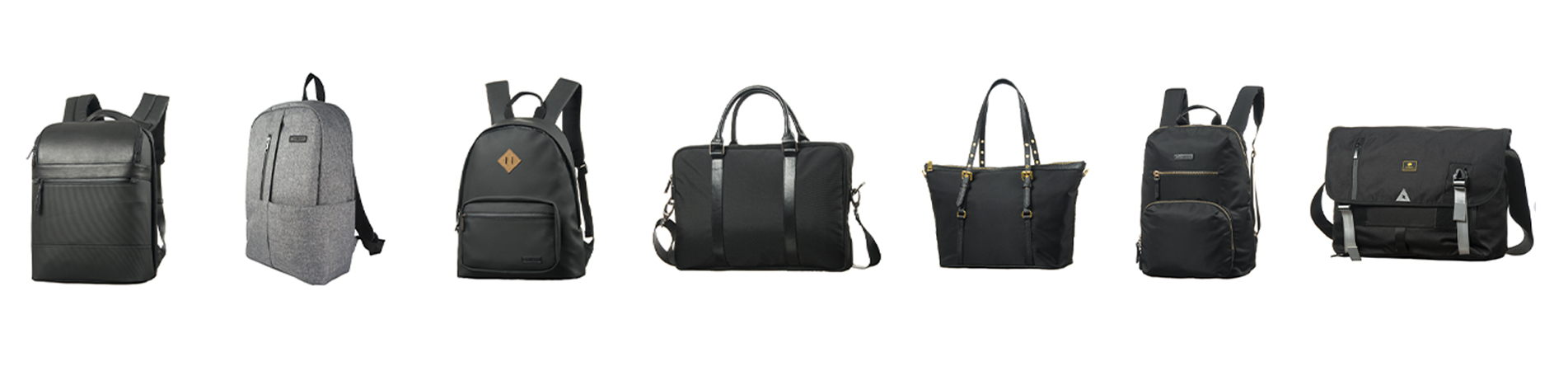
china backpack manufacturer
Home

leather handbags

leather handbags

  • How to Choose Leather Materials for Handbags & Proper Care Guide
    How to Choose Leather Materials for Handbags & Proper Care Guide Jul 24, 2026
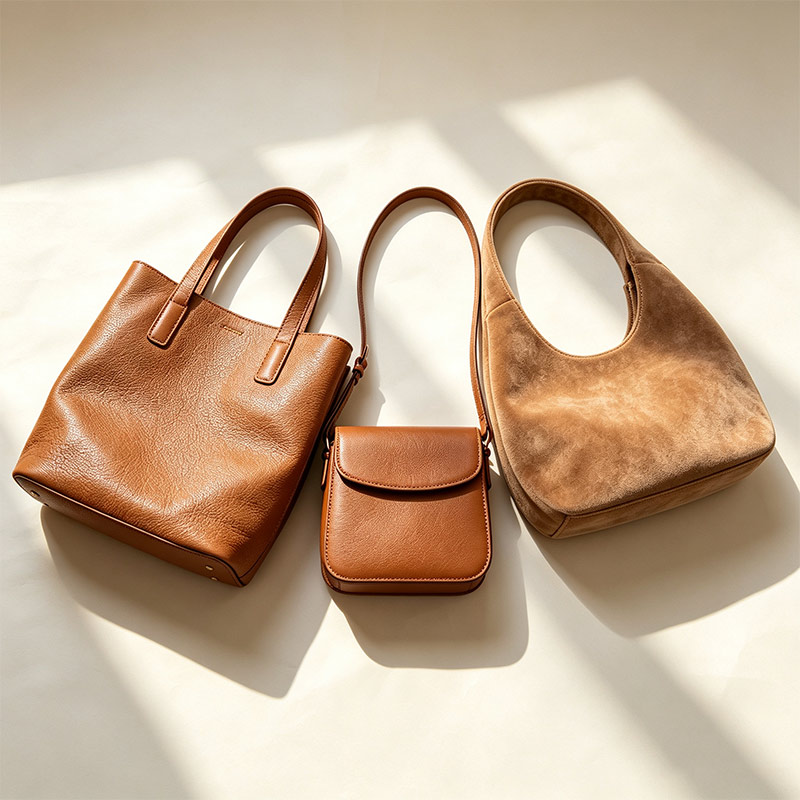
    Sourcing leather for custom leather handbags is far more than a simple aesthetic choice. It directly determines your production costs, retail pricing strategy and overall brand positioning.   SYNBERRY has accumulated over 30 years of experience in OEM custom leather bag manufacturing, serving clients ranging from emerging startup brands to mature premium and luxury lines.    Most purchasing partners repeatedly raise two core questions: which leather grade fits their product lineup, and how end consumers can properly maintain leather bags.    Drawing on our decades of on-site manufacturing experience, this guide systematically explains leather selection logic and post-sale maintenance knowledge, helping OEM buyers pick matching leather and avoid common care mistakes.   Table of Contents: Ⅰ. Two Core Perspectives to Understand Leather  Ⅱ. Match Leather Types to Different Handbag Styles  Ⅲ. Daily Care Guidelines for Leather Handbags  Ⅳ. Four Core Details to Confirm When Requesting Factory Quotations  Ⅴ. Frequently Asked Questions (FAQ)  Ⅵ. Conclusion   Ⅰ. Two Core Perspectives to Understand Leather We divide leather into two major classification systems: categorization by natural hide layers and categorization by post-tanning processing techniques. The combination of these two dimensions jointly decides leather quality and the final presentation of finished handbags.   1.Classification by Hide Layer Top-grain leather:Top-grain leather is made from the outermost grain layer of animal hide plus part of the underlying fibrous corium layer. Its compact fiber structure delivers outstanding tensile strength, durability, flexibility and stable shape retention, making it the core raw material for all high-end leather goods. Split leather :Split leather refers to the residual fibrous layer separated after removing the top grain layer during splitting. Its loose fiber structure leads to weaker strength, poor durability and faint natural texture, so manufacturers usually add PU coating, PVC coating or suede sanding to improve its appearance and practicality.   2.Classification by Processing Craft Full-grain leather:Full-grain leather ranks as the highest-grade leather material. It fully retains the natural grain surface of raw hide with almost no sanding or surface correction, featuring obvious natural grain, excellent wear resistance, superior breathability and the ability to form unique patina with long-term wear. Every hide carries exclusive natural marks, making each finished bag one-of-a-kind. Corrected-grain leather:Corrected-grain leather is processed by lightly sanding top-grain leather to remove surface blemishes, then embossing uniform artificial grain patterns. It boasts consistent surface appearance, reliable durability and balanced cost performance, which is why most mid-to-high-end leather goods such as business briefcases adopt this material. Coated split leather :Coated split leather is produced by attaching a thin PU or PVC synthetic film to split leather and embossing artificial grain on the surface. Its basic composition is split leather substrate plus synthetic coating, serving as an affordable option with uniform visual effects.   3.Comparison Between Top-Grain Leather and Full-Grain Leather Many buyers confuse the logical relationship between top-grain and full-grain leather; the table below sorts out all core differences clearly:   Comparison Item Top-Grain Leather Full-Grain Leather Definition Leather cut from the outermost grain layer of animal hide Premium subdivision of top-grain leather that fully retains natural grain surfaces Belongs to top-layer hide ✅ Yes ✅ Yes Retain original natural grain Not guaranteed ✅ Fully retains natural pores and grain patterns Surface finishing May include sanding, correction, embossing or heavy coating Minimal processing; only dyeing and light protective finishing Visual appearance Uniform texture, customizable artificial embossed patterns Natural grain variations; every hide panel is unique Durability Good Excellent, featuring the most intact natural fiber structure Breathability Fairly good Superior Softness Fluctuates based on finishing craft Gradually softens and develops natural patina with wear Longevity Lasts multiple years with routine care Remains functional for decades under consistent maintenance Price bracket Mid to high-end Premium tier with higher unit pricing   SYNBERRY Manufacturing Insight: We always recommend full-grain leather for clients developing structured luxury handbags. Natural surface variations are not flaws, but distinctive features that endow each bag with irreplaceable unique value.   Ⅱ.  Match Leather Types to Different Handbag Styles Leather selection cannot rely solely on material cost. Different bag silhouettes and usage scenarios put forward distinct performance requirements for leather, so we summarize a targeted matching rule for buyers’ reference:   Handbag Category Recommended Leather Grade Core Matching Advantages Luxury handbags / Premium women’s designer bags Full-grain leather Develops layered patina and elevates product value over time Business briefcases / Daily commuter totes Top-grain leather Maintains rigid silhouette, durable and cost-efficient Casual crossbody bags / Fashion-forward silhouettes Top-grain leather or split suede Supple touch, diverse styling and flexible design potential Fast-fashion bags / Promotional giveaway handbags Split leather Low production cost with consistent surface finish Travel duffels / Large luggage totes Full-grain or thick top-grain leather Highly abrasion-resistant and builds vintage character with wear   Ⅲ. Daily Care Guidelines for Leather Handbags Standardized consumer care can greatly extend a leather bag’s service life. Well-maintained leather goods effectively boost customer satisfaction and build long-term brand loyalty, and you can print all the practical guidance below on product hang tags or custom care booklets.   1. Regular Daily Care Habits Wipe surface dust and light dirt with a soft dry cloth on a regular basis.  When the bag is not in use, stuff its interior with acid-free tissue paper to fix the original shape and cover the whole bag with a dedicated dust bag for storage. Keep leather goods away from direct sunlight, heat sources and humid environments all the time.   2. Targeted Stain Removal Solutions For water stains, use a dry cloth to blot excess moisture immediately and place the bag in cool ventilated space for natural air-drying; never speed up drying with hair dryers or high-temperature heat sources. For oil stains, spread absorbent cornstarch evenly over stained areas, leave it overnight to absorb grease, then gently brush off residual starch the next morning.  For split suede products, only use professional suede brushes for grooming and avoid direct water scrubbing at all costs.   3. Forbidden Improper Operations Do not rinse or submerge the entire leather bag in water.  Do not accelerate drying through hair dryers, radiators or other heating equipment.  Do not fill bags with newspaper, as printing ink will transfer onto leather under humid conditions and cause permanent stains.     Ⅳ. Four Core Details to Confirm When Requesting Factory Quotations Many buyers only write "leather handbags" in quotation requests, which causes repeated sample revisions and wastes plenty of sampling time. Clearly confirming the following four key information can greatly improve OEM communication efficiency.   1. Clear Leather Grade State the exact leather material without vague general descriptions, including full-grain leather, top-grain leather or split leather.   2. Defined Leather Thickness Mark specific thickness data such as 0.8mm or 1.0mm, as this parameter directly affects the bag’s firmness, structural stability and hand touch.   3. Standard Color Reference Provide official Pantone color codes or physical color swatches for color matching. Physical swatches are far more accurate than digital pictures, since screen display deviation is the top cause of sample rework.    SYNBERRY Insight: Our sample department can customize exclusive color swatches for clients within 5 to 7 working days.   4. Confirmed Surface Finishing Specify the surface finishing: Which embossed grain pattern is required (e.g., pebble grain, cross grain)? Matte or glossy finish?   Ⅴ. Frequently Asked Questions (FAQ) Q1: How do I verify leather sample quality before mass production launches?  A: You need to manually test the leather’s softness and hand feel, observe the density of internal fiber layers, and check the adhesion strength of surface coating. We suggest signing and archiving a complete reference sample set containing leather swatches, color panels and matching metal hardware, which will serve as the unified inspection standard for bulk production.   Q2: Why do minor color discrepancies exist between pre-production samples and bulk goods? A: Leather is a natural raw material, so different hide batches absorb dye unevenly; fluctuations in ambient temperature and humidity will also change dye absorption effects. SYNBERRY archives standard color boards for every production batch and strictly controls color differences within commercially acceptable standards.   Q3: As a brand owner, what supplier qualifications should I prioritize?  A: Apart from factory scale and production capacity, focus on ISO 9001 quality management system certification and BSCI social compliance audit. These two credentials prove the factory meets international standards in quality control, labor protection and environmental compliance.    Q4: How long does OEM leather handbag sampling normally take?  A: Sample development takes 7 to 14 working days after design confirmation; customized embossing or complex structural designs will extend the cycle slightly. International sample shipping requires an extra 3 to 5 working days, and the exact timeline depends on product customization complexity.   Q5: Besides traditional animal leather, are there eco-friendly innovative alternatives?  A: Yes. Numerous mainstream brands adopt bio-based leather materials made from corn fiber, cork and pineapple leaf fiber. These sustainable materials have a lower carbon footprint, cater to the sustainable consumption trends of European and American markets, and create unique differentiated selling points for brands.   Q6: How to handle a leather handbag soaked by rainwater?  A: Immediately blot surface moisture with a clean white cotton cloth instead of hard rubbing, which will push water stains deep into leather fibers. Hang or lay the bag flat in cool ventilated space for full natural air-drying, and never use hot air blowers or direct sunlight to speed up the process. After complete drying, apply a thin layer of leather conditioning cream to nourish the hide.   Q7: Can minor scratches on leather surfaces be repaired?  A: Light scratches can be faded by gentle fingertip massage; friction heat activates natural leather oil to blur superficial abrasions. Deep scratches need professional leather recoloring cream for local touch-up. Remember to test the repair paste on the inconspicuous bag bottom to confirm color matching before processing front surfaces.   Q8: Light-colored leather bags easily get stained. How to prevent and fix color transfer?  A: Prevention is more effective than remediation. Avoid long-term contact between pale leather (white, beige, pink) and dark fabrics especially denim to prevent friction color bleeding, and spray dedicated anti-transfer protective spray for daily use. If color transfer occurs, wipe stained areas in gentle circular motions with leather cleaner and soft cloth right away; consult professional leather care stores if stains cannot be fully removed.   Q9: How frequently should consumers maintain leather handbags?  A: Care cycles depend on usage frequency. Daily commuter bags need full conditioning every 2 to 3 months, while occasionally used bags only require maintenance once every six months. A simple judgment standard: if light finger marks do not fade within several seconds after scratching, the leather lacks natural oil and needs immediate nourishing treatment. Regular maintenance can permanently preserve leather’s soft texture and subtle gloss.   Ⅵ. Conclusion Choosing the right leather is a strategic business decision. The most expensive material is not always suitable for your brand, nor can the cheapest option guarantee market competitiveness. The core selection standard lies in matching leather with your brand positioning, target consumer groups and product usage scenarios.   Picking proper leather only completes half of brand success, and the other critical part is guiding end customers to master standardized leather care methods. Even premium leather will turn dull, dry and cracked after years of neglect, while entry-grade leather can accompany customers for decades with consistent proper maintenance. This is why we elaborate on systematic care guidance above — brand reputation is often built through these small but vital customer experience details.   With over 30 years of OEM handbag manufacturing experience, SYNBERRY provides full-cycle leather solutions for brand partners, covering professional material matching, custom sample development and stable mass production with balanced cost and quality control. We also design exclusive leather care cards, printed hang tags and simplified maintenance instructions tailored to each bag model, so customers can grasp correct protection methods at the moment of purchase.   If you have finished product concepts or design sketches, send them to our technical team. We will provide free leather matching evaluation and cost estimation within 1 to 2 working days.    Contact SYNBERRY today to discuss your leather handbag project, and we will help you source ideal leather materials and deliver reliable long-term care guidance for your bag collection.      Author        
  • How a Premium Bag Is Made
    How a Premium Bag Is Made Oct 30, 2025
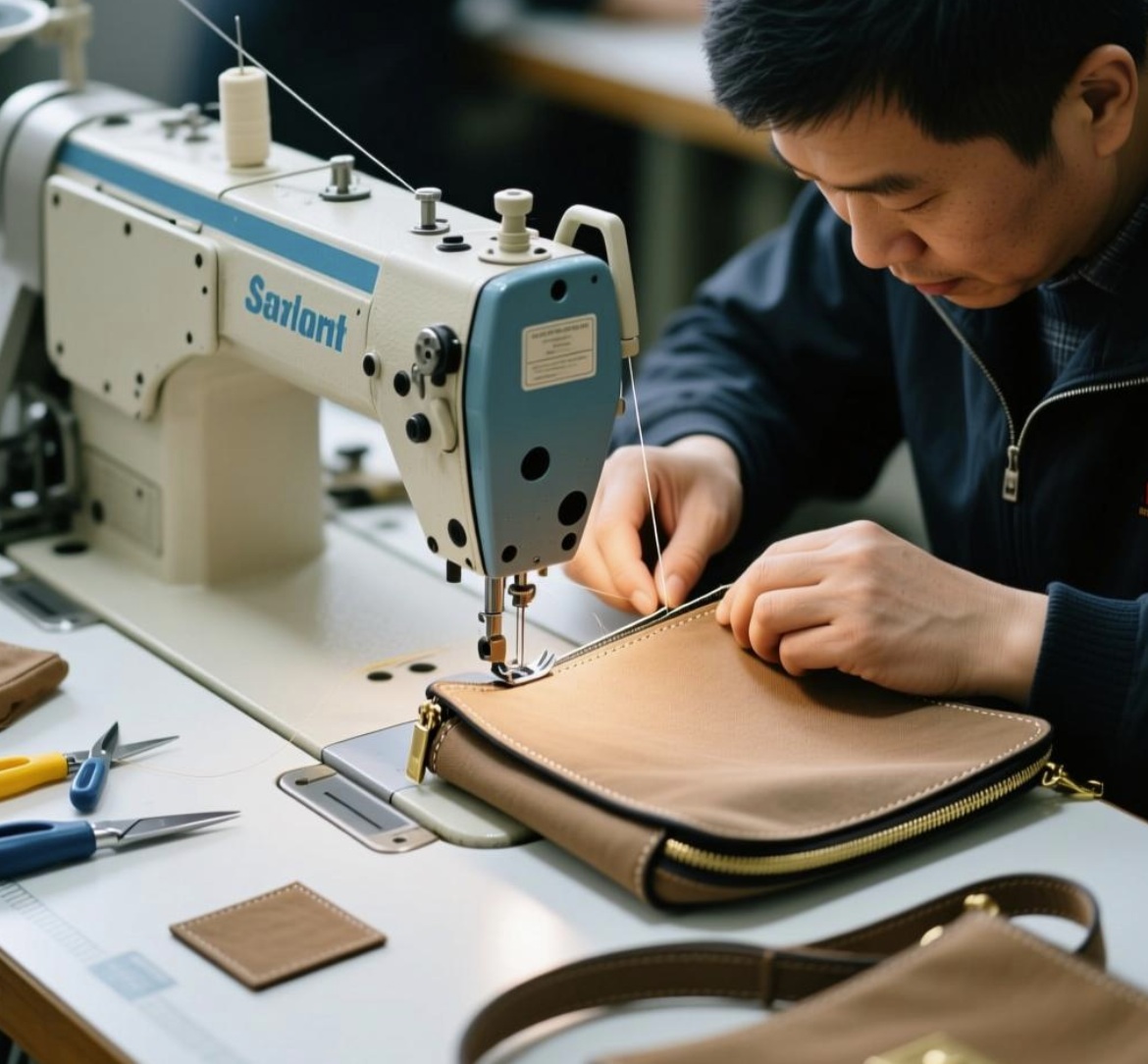
    A Deep Dive into Synberry Bag Cambodia Manufacturing Process   In today’s fast-changing global supply chain, finding a reliable and skilled bag manufacturer is more important than ever. As a procurement manager or brand owner, you need more than just a factory. You need a strategic partner who understands your brand identity, follows strict quality standards, and delivers on time.   This article takes you inside Synberry’s bag factory in Cambodia, where every material is carefully crafted step by step into a premium finished bag. Discover why top brands choose us as their trusted bag manufacturing partner.   1. Factory Overview: A Beyond-Ordinary Bag Manufacturing Facility   Synberry is a specialized bag manufacturer with years of experience in creating high-quality bags such as nylon backpacks, and leather handbags, PU tote bags, cosmetic pouches etc.   Our factory is located in Cambodia, staffed with 1600 hundred of skilled workers and equipped with Lean Production lines. With over 30 years of manufacturing experience, we provide a complete one-stop service that includes: • Product design • Sample development • Full testing  • Mass production • Quality inspection • Shipping and logistics support   Our stable production team and efficient process ensure that each order meets the highest quality standards. 2. Custom Materials and Product Options   We produce bags in a wide range of materials based on each client’s request. According to material classification, our primary products comprise the following three categories:   •  Nylon / Polyester Fabric Bags We use various oxford fabrics to make lightweight and durable bags, such as backpacks, duffel bags, shoulder bags, pouches etc. Each fabric is treated to be water-resistant, dust-resistant and abrasion-proof, making it ideal for daily use.   •  PU (Vegan Leather) Bags Our PU bags come in many colors and textures. They offer the perfect mix of style, durability, and cost-efficiency, while supporting eco-friendly and animal-free production.   •  Genuine Leather Bags For some premiums bags, we also use genuine leathers like top-grain cowhide leather or sheepskin leather to create elegant handbags with a smooth touch and a long-lasting, classic look. Each leather piece is carefully selected to highlight natural texture and beauty. 3. From Design to Finished Product   Every bag we make starts with an idea, whether it is a client’s preliminary design or one of our in-house templates, our designers and technicians work closely together to turn sketches and samples into functional, beautiful products. From leather handbags to nylon backpacks, each piece reflects our attention to detail and commitment to quality. Below, we take leather bags as an example to show how each step in our production process turns raw materials into a premium finished bag.   4. Detailed Production Process for Leather Bags   Leather bag production involves a series of meticulously executed steps, each one contributing to the bag’s final quality, durability, and beauty.    From carefully selecting the appropriate leather to precise cutting, skiving, stitching, edge finishing, and hardware fitting, every stage reflects the craftsmanship and dedication of our skilled artisans.   4.1 Incoming Materials – Code, Verify & Inspect   Upon arrival at our factory, all raw materials including main fabric, linings, hardware, and other accessories undergo a thorough inspection before being coded and logged into our material control system. Each batch receives a unique identification tag, allowing our production team to track every material through each stage of manufacturing, from initial storage to cutting, sewing, assembly, and final shipment.    This meticulous process ensures full traceability, quality consistency, and accountability across the entire production chain.   4.2 Incoming Materials – Quality Inspection   Our incoming quality control (IQC) team carefully inspects all incoming leather for thickness, surface imperfections, color consistency, etc. Ensuring that every material meets customer specifications. Only approved leather enters the production process, forming the foundation for premium leather bag manufacturing and OEM bag production.   This meticulous inspection process helps us deliver high-quality leather handbags and luxury bags that meet global brand standards and maintain consistent performance from sample to bulk production.     4.3 In-house Testing Before Cutting   Our factory is equipped with a full range of in-house testing machines. After the incoming materials pass visual inspection by the IQC team, sample pieces are first cut for internal testing which include tensile strength, color fastness, hardware abrasion resistance, water resistance, heavy metal testing and so on. Only when these tests meet the required standards do we proceed to the next cutting stage.    This process allows us to verify quality at an early stage and effectively reduce external lab testing costs and timing.   4.4 Cutting & Pre-material Preparation   Once the materials are approved, they are carefully transported to the cutting area. Skilled operators use die-cut or hot-cut machines or high-precision laser cutters to follow detailed patterns, ensuring each panel is cut accurately and consistently per relevant bag requirement.   Every panel including flaps, side panels, bottoms, and straps is prepared to exact dimensions, providing a perfect foundation for the subsequent assembly and stitching stages. Precision at this stage is critical, as it directly impacts the fit, structure, and overall quality of the finished bag.     4.5 Skiving & Edge-polishing   For premium leather bags, our skilled technicians carefully perform skiving and edge-thinning on both the leather and foam layers. This process ensures that folded edges and stitched seams lie perfectly flat, reducing bulk and enhancing the bag’s overall structural integrity.   Precise skiving is critical for bag durability and aesthetic quality, particularly on areas such as straps, flaps, and side panels, where clean edges and smooth folds contribute to the finished bag’s polished appearance. 4.6 Logo Stamping or Embossing   We treat brand marking as a crucial step in defining the identity of each bag. Using heat-press stamping, foil stamping, or debossing, our skilled technicians apply logos and brand names with meticulous attention to detail.   This process not only ensures clean, precise, and durable branding, but also highlights the craftsmanship that goes into every premium leather bag or other custom bag we produce. Properly executed branding enhances the bag’s aesthetics, elevates its luxury appeal, and strengthens the client’s brand recognition. 4.7 Adhesive Application & Lamination   Specialized machines precisely apply adhesive to the back of each leather panel, ensuring even coverage and optimal bonding strength. Skilled workers then carefully attach the leather to foam or lining boards, aligning every edge and corner to achieve the desired bag structure, firmness, and tactile feel.   This step is critical in leather bag manufacturing, as proper adhesion ensures the bag maintains its shape, durability, and overall quality throughout use. 4.8 Edge Binding (Semi-automatic)   Edge‐binding is performed using semi-automated equipment combined with skilled manual precision, allowing our technicians to carefully control tension, alignment, and edge finishing. This process ensures that all bag edges are smooth, neat, and consistent, preventing fraying or unevenness and contributing to the overall structural integrity and polished appearance of the finished product.   Proper edge-binding is essential in leather bag manufacturing, as it not only enhances durability but also improves the aesthetic appeal of flaps, straps, and side panels. 4.9 Position Hole Drilling & Line Pressing   Punching machines carefully drill positioning holes on leather panels to ensure precise alignment for subsequent stitching and assembly. At the same time, line press machines stamp reinforcement lines or decorative stitches, providing both structural strength and visual detailing.   This step is particularly critical for areas that bear stress, such as straps, handles, and flap edges, ensuring that designer shoulder bags and handbags maintain their shape and durability. 4.10 Hardware Punching & Edge-finishing   All hardware components, including buckles and D-rings etc, are precisely punched, aligned, and installed using specialized machine tools to ensure secure attachment and consistent placement. Besides, the leather edges undergo edge-finishing, where an oil-based treatment is carefully applied and allowed to cure. This process creates smooth, crisp, and refined edges that enhance both the durability and aesthetic appeal of the bag.   Attention to detail in hardware setting and edge-finishing is critical in leather bag manufacturing, as it directly impacts the structural integrity, longevity, and premium look of the finished product. 4.11 Label Making & Edge Finishing   Brand labels are separately produced with meticulous attention to detail. Each label undergoes a specialized edge-oil treatment that enhances durability while giving the edges a smooth, refined finish. After the oiling process, the labels are carefully dried under controlled conditions to ensure the finish remains flawless and consistent.    Following drying, each label is polished by hand to achieve a subtle sheen, highlighting the precision craftsmanship.  4.12 Sewing & Computerized Reinforcement Stitching   The panels then proceed to the sewing line. Skilled workers assemble the bag following workflow: attaching pockets, installing zippers, then stitching major panels.    Critical stress points (for example strap ends) are reinforced using computerized stitching machines, adding pattern stitching (such as cross-reinforcement) for improved durability. 4.13 Final Quality Inspection (FQC)   Before shipping, each finished bag undergoes a comprehensive, multi-step inspection process to ensure it meets the highest quality standards. The checks include visual inspection of overall appearance, verification of dimensional tolerances to ensure precise sizing, evaluation of stitching strength to confirm durability, testing of hardware components for secure attachment and long-lasting performance, and thorough assessment of finishing details such as edge treatments, polish, and surface uniformity. Any item that fails to meet the established standards is immediately flagged and returned to the production team for correction or rework.    This meticulous quality control process guarantees that every bag leaving the factory not only meets functional requirements but also embodies the premium look, feel, and craftsmanship expected by all clients and international markets. 4.14 In-house finished product testing   To ensure every bag meets international durability standards, we conduct additional performance tests upon request such as seam and stitch strength tests using tensile machines, and load-and-drop tests that simulate real-life use.    These rigorous checks guarantee that each product maintains its form and strength even under demanding conditions. 4.15 Needle Detector & Disinfection   For premium brands or children’s products, except all above standard processes, we added needle-detector machine and Ultraviolet sterilizer equipment as an extra process. These machines ensure that each bag is thoroughly inspected for any traces of metal debris, providing an added layer of safety and quality control.    In addition, the disinfection process guarantees that all bags remain hygienic, clean, and safe for end-users. This combination of meticulous inspection and hygiene measures reinforces our commitment to delivering premium, worry-free products. 4.16 Packing & Shipping   Once bags have passed all quality inspections and testing, each qualified item is carefully cleaned to remove any dust or particles, ensuring a pristine presentation. Depending on the material and brand requirements, bags are then placed into protective dust polybags or specially designed protection covers that prevent scratches and maintain shape during storage and transit.    Each bag is clearly labeled with SKU, color and other relevant details to ensure accurate identification and traceability before entering finished warehouse. The labeled bags are then systematically packed into sturdy cartons, which are marked with comprehensive shipping information, including client’s name, destination region, quantity etc. So any finished goods at our warehouse can be quickly tracked from our inventory control system.   Finally, the cartons are handed over to logistics partners for secure export, guaranteeing that every bag reaches its destination in perfect condition and upholds the premium quality and presentation expected by clients and end-users.     5. Conclusion: From Craftsmanship to Quality, We Deliver Trust   From raw material intake to packed and shipped goods, every step conveys our commitment to craftsmanship, reliability and partnership. We’re not just a professional bag manufacturing facility, we are strategic production partner behind your brand.   Whether you’re seeking a high-end luxury leather handbag, a budget-friendly PU cosmetic pouch, or a functional nylon / polyester backpack, we are ready to deliver solution-oriented, high-quality bag manufacturing. With our expanded capacity, enhanced facilities and proven production processes, we are poised to help you launch or scale your brand confidently.   We sincerely invite you to visit our Cambodia factory for an on-site audit. See firsthand how an idea is transformed into a tangible product of excellence. Let's collaborate to create the next market success story.     Author        

Contact Us
Address : Unit 905, Block B, Jinri Building, No. 88 Anling Second Road, Huli District, Xiamen, Fujian, China
Get in Touch

Please Read On, Stay Posted, Subscribe, And We Welcome You To Tell Us What You Think.

Linkedin WhatsApp Facebook instagram

Copyright @2024 Synberry Bag & Package Products Co.,Ltd All Rights Reserved. Network Supported

Sitemap / Blog / Xml / Privacy Policy

Contact Us

Contact Us
Hi there, I hope you're having a lovely day! Thank you for reaching out to us at Synberry --- where 30 years of craftsmanship meets everyday style. With three decades of expertise in bag manufacturing, we don't just make bags --- we build trust, stitch by stitch. Whether you're looking for timeless design, durable quality, or a partner who truly understands your needs,feel free to talk to us.
submit

home

products

WhatsApp

Contact Us