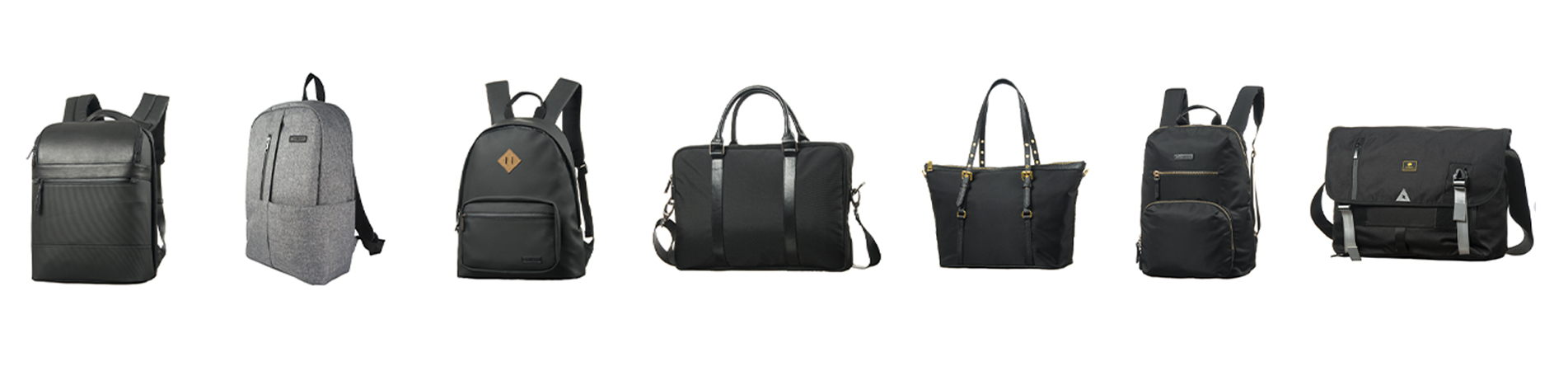
china backpack manufacturer
Home

Bag Manufacturing

Bag Manufacturing

  • Materials purchasing process as being an Expert Bag Manufacturer
    Materials purchasing process as being an Expert Bag Manufacturer Jun 11, 2026
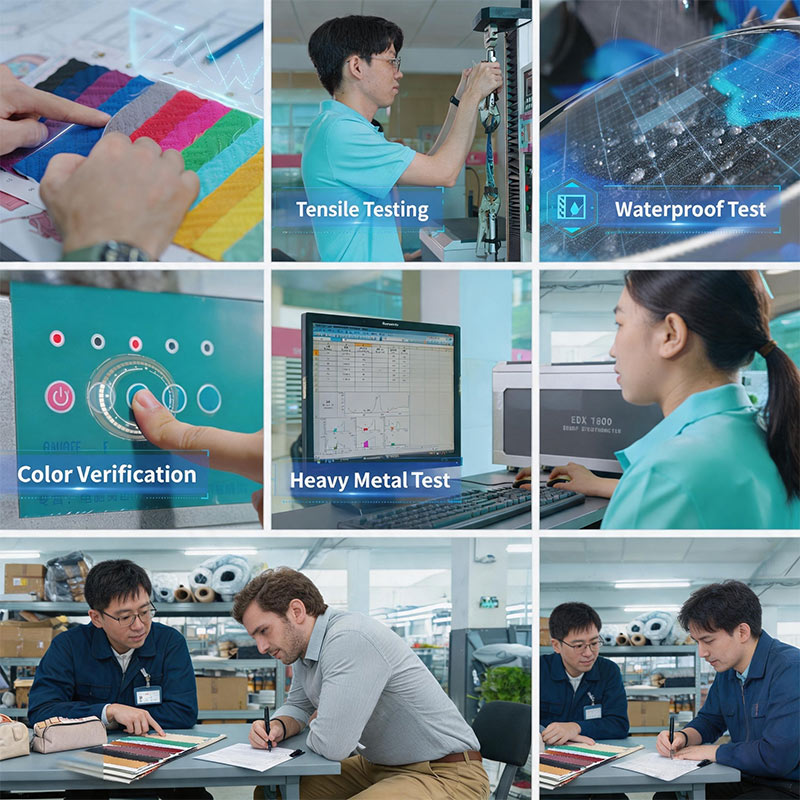
    As an OEM/ODM manufacturer specializing in B2B custom bag production, SYNBERRY BAG has served well-known brand clients in more than 40 countries worldwide. We understand that when brands choose a manufacturing partner, they care about more than just pricing and lead times—they are equally concerned with one key question: How does the factory ensure consistent and reliable quality across every production batch? The answer goes beyond strict supervision during the manufacturing process. It begins with the material purchasing system. In this article, we will provide a comprehensive breakdown of SYNBERRY BAG’s end-to-end material sourcing and purchasing process, helping brand owners, purchasing managers, and supply chain professionals understand how a professional bag manufacturer leverages systematic material management to safeguard product quality and ensure the success of every order.   I.  Why Is Material purchasing the “First Process” of Bag Quality? When auditing a factory, many brands focus on the sewing workshop and finished-product inspection area, but they often overlook one fact: once defective materials enter the production line, no matter how sophisticated the craftsmanship is afterward, it cannot make up for the problem. Common material risks include: Fabric weight deviation: For example, canvas labeled as 12 oz may actually be only 10 oz, resulting in finished products that are soft, lack structure, and have insufficient load-bearing capacity. Insufficient color fastness: Color fading and color transfer can easily occur during use. This not only affects the appearance of the bag but may also stain consumers’ other garments, directly damaging the brand’s reputation. Insufficient fabric width: This directly leads to increased material consumption during the cutting process, raising overall production costs and disrupting the original cost calculations. Failure to meet environmental testing requirements: Harmful substances such as heavy metals and phthalates in dyes or coatings may exceed allowable limits, making the materials unable to pass the quality and compliance requirements of the target market. As a result, the entire shipment may face the risk of being held in inventory or recalled. Insufficient zipper tensile strength: Metal zipper pullers may break during load-bearing tests, resulting in customer complaints. Hardware oxidation: If the electroplating layer is not thick enough, rust may appear shortly after consumers begin using the product, damaging the brand’s reputation. Almost all of these issues are directly related to inadequate material purchasing and quality control in the early stages. If problems are only identified and corrected after the products have been completed, manufacturers not only face significant rework costs but also risk delaying order delivery, which can have an irreversible impact on a brand’s product launch schedule. For bag products, the quality of the materials themselves determines the baseline quality of the finished product. No matter how skilled the craftsmanship or how sophisticated the design, substandard raw materials can never be transformed into qualified finished goods. Therefore, effective quality control does not begin when materials enter production. It starts much earlier—with raw material sourcing and purchasing. Carefully screening suppliers and controlling the quality of every batch of incoming materials at the source is the fundamental prerequisite for ensuring consistent quality across the entire order. This is precisely why material purchasing is rightly regarded as the “first step”—and the first line of defense—in bag quality assurance.   II.  SYNBERRY BAG Material purchasing Full Process (Six-Step Closed Loop) Our material purchasing process is not simply a matter of “placing an order and receiving goods.” It is a six-step closed-loop system that covers requirement definition, supplier management, incoming material inspection, production allocation, and leftover material traceability.   Step 1: Requirement Analysis and Specification Lock-In Before each order is initiated, our purchasing team conducts a quantitative technical parameter analysis of the materials pre-approved by the client. This parameter sheet serves both as the purchasing standard and as the benchmark for subsequent material inspection. Key Confirmation Items Include: Confirmation Dimension Specific Content Example Fabric Category Material, weaving method, process 16oz 100% cotton canvas, plain weave, pre-shrunk Weight/Thickness Unit area weight or thickness in mm 16oz (approx. 540 GSM) Color Standard Pantone code, GCC standard color code, or client-provided swatch Pantone 4052 / GCC163 Physical Properties Tensile strength, tear strength, color fastness, shrinkage rate Warp tensile ≥800N, color fastness ≥4 Environmental Compliance Regulatory requirements for target market EU REACH, US CA Prop 65, OEKO-TEX 100 Functional Requirements Waterproof, flame-retardant, UV-resistant, antibacterial, etc. PU or PVC coating, water pressure resistance ≥3000mm Hardware/Accessories Zippers, buckles, webbing, Velcro specifications YKK #5 metal zipper, nickel-free plating, salt spray test ≥48h Requirement Analysis and Specification Lock-In   Step 2: Supplier Evaluation and Approval SYNBERRY BAG has established a tiered supplier database, and not all materials are purchased indiscriminately from the market. Supplier Admission Standards: 2.1  Qualification Review: Business license, environmental discharge permits, quality control system 2.2  On-Site Factory Audit: Annual audits for core fabric suppliers, focusing on weaving workshops, dyeing & finishing workshops, and laboratories 2.3  Sample Testing: New suppliers must provide an A4-sized fabric sample, which our laboratory tests through four basic assessments: Composition Analysis – using burning method, dissolution method, or infrared spectroscopy Color Fastness Testing – dry and wet rubbing, washing, and perspiration tests Physical Performance Testing – tensile strength, tear strength, and bursting strength Environmental & Safety Testing – checking for phthalates, heavy metals, and azo dyes The image shows a fabric tensile strength test. Supplier Tier Management: Tier Definition Cooperation Strategy Grade A No major quality incidents for 3 consecutive years, with a first-pass test rate ≥95% Strategic partner; priority order allocation; joint development Grade B Occasional minor issues, but timely corrective actions Standard cooperation with strengthened inspection and sampling Grade C Frequent quality issues or poor corrective performance Cooperation suspended; removed from approved supplier list   Step 3:  Sample Confirmation and Pre-Production Approval (Sealed Sample) Before bulk purchasing begins, we must complete the following sample confirmation process: A4 samples / color swatches provided by suppliers: Used for preliminary confirmation of color and fabric density. Pre-production samples made by SYNBERRY BAG: A 1:1 finished bag is produced using actual bulk materials to conduct pre-production testing. Only after all raw materials and accessories are confirmed qualified can bulk production begin. Client-signed approval samples: Final confirmation is provided by the brand customer, in duplicate, with each party retaining one copy. Archiving of raw materials and components: Approved samples of fabrics, linings, zippers, buckles, and other accessories are retained and sealed for more than 12 months. If any abnormality occurs after shipment, they can be used as reference evidence. Sealed sample management: All approved and signed samples are stored in a dedicated sample room and labeled with the order number, client name, material batch number, supplier name, and production date. The purpose of this step is to transform subjective perception into objective standards. When bulk goods arrive, quality inspectors can compare them directly against the sealed samples instead of relying on memory for judgment.   The image shows the use of a professional spectrophotometer to verify the color of different fabric batches.   Step 4: Bulk purchasing and Incoming Quality Inspection (IQC) After bulk materials arrive at the factory, an Incoming Quality Control (IQC) process is carried out as follows: 4.1 Quantity Verification Verify the item name, specification, and quantity against the delivery note and purchase order Weight sampling inspection: Weigh each roll of fabric to verify whether the actual meter/yardage is sufficient 4.2 Appearance Inspection (100% inspection or AQL sampling) Color variation: Color differences between rolls, and between the beginning, middle, and end of each roll (graded using a grey scale; ≥ level 4 is considered acceptable) Defects: Broken warp, broken weft, reed marks, oil stains, holes, and skewed weft Width: Check whether the measured fabric width deviation is within ±2% of the specification 4.3 Physical Performance Sampling For each batch, 3% of rolls are randomly selected and sent to the laboratory for re-testing of tensile strength, color fastness, and shrinkage rate If any item fails, the entire batch is rejected or downgraded for alternative use 4.4 Environmental & Safety Sampling For each batch, 1 meter of fabric is retained and archived for at least 2 years for third-party inspection or customer complaint traceability For EU/US orders, depending on market compliance requirements for different product categories, samples from each batch are sent to third-party laboratories (such as SGS or Intertek) for relevant compliance testing Handling of Non-Conforming Materials: Minor defects (e.g., localized color variation): Communicate with the brand in a timely manner to determine whether the material can be downgraded for non-visible areas or restricted applications Severe non-conformity: The entire batch is returned and strictly prevented from entering the production process   Step 5: Production Allocation and On-Site Material Management Qualified fabrics are transferred to the material warehouse and managed under a strict batch control system: FIFO (First-In, First-Out): Materials are used in the order they are received to prevent long-term storage and material aging Zoned storage: Fabrics are separated by material type, customer order, and color to avoid cross-mixing Temperature and humidity control: The fabric warehouse is kept well-ventilated and dry, with humidity controlled at ≤70% to prevent mold growth Clear labeling: Each roll of fabric is labeled with product name, specification, batch number, storage date, and inspection status Production material issuance: When issuing materials to the cutting department, the warehouse manager and cutting supervisor jointly verify the “Production Material Requisition Form” to ensure consistency between issued batches and order requirements Full-process on-site inspection: On-site QC conducts regular inspections of materials in production. If color deviation or defects are detected, production is immediately halted and reported to the quality control department for traceability and corrective action. Defective materials are strictly prohibited from entering the next sewing process. If minor defects are found within the same batch, they are separately isolated and stored, and are not allowed to enter normal production flow The image shows on-site QC conducting routine inspections.   Step 6:  Material Traceability and Data Review After an order is completed, leftover materials are not simply discarded. Instead, they are managed through a dedicated leftover material management system: Usable leftover materials: Registered and stored in inventory for future use, such as customer reorders, sample production, or small-volume orders Scrapped leftover materials: Disposal records are documented with reasons (e.g., color deviation, defects, order cancellations), serving as part of supplier evaluation criteria Data archiving: The material qualification rate, supplier on-time delivery performance, and customer complaint rate for each order are recorded in the system to form a supplier performance profile Each quarter, the purchasing and quality control departments hold a material quality review meeting to analyze: Which suppliers show declining batch qualification rates? Which material categories have the highest customer complaint rates? Whether new suppliers should be developed or material specifications adjusted for the next season This closed-loop system ensures that SYNBERRY BAG’s material purchasing framework is continuously evolving rather than remaining static.   III.  Key purchasing Points for Different Materials Different materials carry very different risk factors. Here are SYNBERRY BAG’s practical insights from purchasing experience: 1. Canvas / Cotton & Linen Weight traps: Fabric weight deviations are common and must be verified by weighing upon warehouse entry Shrinkage: Unpre-shrunk canvas can deform significantly after the first wash when made into bags. Suppliers must provide pre-shrunk treatment or the factory must pre-shrink in-house Organic cotton certification: If the client requests organic cotton, GOTS or OCS certificates must be checked, and it must be confirmed that the certificate scope covers the specific supplier 2. Nylon / Polyester Denier and density: Differences between 210D, 420D, and 600D fabrics are not only in thickness but also in weaving density. Fabrics with insufficient density, even if the denier is correct, will have greatly reduced tensile and abrasion resistance. Warp and weft density must meet specification requirements Waterproof coating: Uneven PU or PVC coating thickness can lead to inconsistent waterproof performance. Water pressure testing is required Recycled materials: Recycled polyester (rPET) must be accompanied by a GRS (Global Recycled Standard) certificate, and the recycled content ratio must be verified 3. PU / PVC Synthetic Leather Harmful substances: Focus on phthalates, azo dyes, and heavy metals, especially for EU/US exports Peel strength: The peel strength between the PU layer and base fabric must be ≥1.5 kg/cm; otherwise, delamination may occur during use Hydrolysis resistance: For PU leather used in humid regions (e.g., Southeast Asia), select hydrolysis-resistant formulas to prevent powdering within six months 4. Hardware (Zippers, Buckles, Hooks) Salt spray test: Metal parts must pass a 24-hour salt spray test to ensure they do not rust Tensile test: Zipper pulls, D-rings, and hooks must withstand the specified tensile load (e.g., zipper pull ≥50 kg) Nickel release: Metal parts for EU export must comply with REACH Annex XVII nickel release limits 5. Webbing / Elastic / Velcro Color fastness: Dark-colored webbing (e.g., black, navy) is prone to fading and must be tested thoroughly Velcro durability: Velcro must maintain at least 70% of its adhesion strength after 5,000 open-and-close cycles to be considered acceptable The image shows a waterproof test being conducted on polyester fabric using professional equipment   IV.  Sustainable purchasing: SYNBERRY BAG’s Green Supply Chain Practices More and more brand clients are incorporating sustainable materials into their purchasing standards. At SYNBERRY BAG, we have already established the following capabilities in material sourcing: Sustainable Material Certification Requirements Application Scenarios Organic cotton canvas GOTS / OCS 100 Eco-friendly shopping bags, organic cotton tote bags Recycled polyester (rPET) GRS Eco backpacks, sports bags Recycled nylon (ECONYL®) GRS / Brand authorization High-end travel bags, diving bags Natural cork / apple leather fiber Supplier environmental declaration Vegan brand bags Eco-friendly PU Free from DMF, low VOC Alternative to traditional solvent-based PU to reduce pollution Our purchasing team proactively provides material substitution solutions for brands. For example, replacing virgin polyester with recycled polyester typically increases cost by around 8–12%, but it supports the brand’s ESG narrative and meets the sustainability requirements of European and American retailers.   V.  How B2B Clients Participate in SYNBERRY BAG’s Material Decision-Making We encourage brand partners to actively participate in the following stages rather than passively accepting factory decisions: Material recommendation stage: Share your target price range and desired texture; we will provide 2–3 material options along with physical swatches for comparison Pre-production sample confirmation: Clients are encouraged to personally evaluate the actual hand feel, color, and compatibility with the final product. Any adjustments can be made at this stage Sealed sample confirmation stage: Please carefully verify the final approved sample before signing. Once signed, the sealed sample will serve as the inspection standard for bulk production, ensuring alignment between both parties on material requirements Early definition of special requirements: Functional requirements such as flame retardancy, waterproofing, or antibacterial treatment must be specified at the quotation stage rather than added during bulk production   Conclusion: Material purchasing as an Invisible Competitive Advantage In the bag manufacturing industry, the sophistication of the material purchasing process directly determines whether a factory can consistently deliver products that are “equally good in every batch.” SYNBERRY BAG’s six-step closed-loop material purchasing system—from requirement definition, supplier qualification, sample sealing, incoming quality inspection, and production allocation, to data review—is essentially a risk-prevention system shifted upstream. We have moved the starting point of quality control from the finished goods inspection stage to the raw material warehouse, and even further upstream to the weaving workshops of our suppliers.   Author        

  • Why Your Bulk Order Looks Different from the Sample
    Why Your Bulk Order Looks Different from the Sample Jun 04, 2026
      You approved the sample. It was perfect. Then the bulk order arrived—and something felt off. The color was slightly different. The stitching looked less refined. The hardware felt lighter. Or worse: your customer noticed before you did. This is one of the most common—and costly—pain points in custom bag manufacturing we often hear from clients. At SYNBERRY, we’ve spent over three decades managing OEM/ODM production across China and Cambodia, and we’ve seen how the gap between "sample perfection" and "bulk reality" can derail entire product launches. Here’s why it happens, and more importantly, how to prevent it.     1. Material Batch Variation (The No.1 Silent Killer) That beautiful cognac leather or dusty rose canvas you approved? It came from a specific batch. In bulk production, materials are sourced from new rolls or new dye lots. Even with the same supplier and the same color code, natural materials like leather and canvas inherently vary. Dye lots can shift by 5–10% due to temperature, humidity, or chemical composition during tanning or fabric finishing. What most buyers miss: A sample alone cannot lock in material consistency. Without a pre-approved "lab dip" or material swatch on file, your factory is working from memory, not a standard.     2. The "Handmade" Consistency Problem Bags are not injection-molded plastic. They are cut, stitched, edge-painted, and assembled by human hands. A sample is often made by your factory’s most skilled sample room technician—someone with 15+ years of experience, working slowly, under no time pressure, with the best materials on hand. Bulk production shifts to the factory floor, where operators work to cycle-time targets. The same stitch density, edge paint thickness, or hardware alignment that looked effortless on the sample becomes harder to replicate at volume without: Standard Operating Procedures (SOPs) In-line quality checkpoints Dedicated training for new operators     3. Production Environment vs. Sample Room Environment Sample rooms are climate-controlled, well-lit, and stocked with sharp blades and fresh glue. Production floors are relatively more hot and humid, and fast-moving. Adhesive viscosity changes with temperature. Leather stretches differently in high humidity. Edge paint dries faster in dry air. If your manufacturer does not control the production environment or adjust process parameters seasonally, the same construction method yields different results.     4. The "Bait and Switch" Risk (Intentional or Not) Sometimes the difference is not accidental. A less scrupulous supplier might use premium materials for the sample to win your order, then substitute cheaper zippers, thinner lining, or lower-grade leather in bulk to recover margin. Even well-meaning factories can make substitutions when your specified material is out of stock, hoping you won’t notice.     5. Lack of a Sealed Reference Standard Here is the critical failure point: many buyers approve a sample, but never establish a sealed master sample (also called a "golden sample" or "production standard"). Without a physical reference sample locked in the factory’s QC office—signed by both parties, with material swatches attached, and construction notes documented—there is no objective standard to judge the bulk against.     How to Prevent the Sample-to-Bulk Gap 1.Insist on Material Pre-Approval Before bulk production begins, approve not just the sample bag, but the specific material batch. Request a "cutting ticket" or batch record for leather, and a dye lot approval for fabrics. A well-organized bag manufacturer usually document the entire production process and carry such record for at least 6 months or longer.   2.Demand a First Article Inspection (FAI) Do not skip the first article. The first 5–10 pieces off the bulk line should be pulled, compared against the sealed sample, and signed off by your QC or a third-party inspector before the line runs at full speed. An inspection at 10% production ready is recommended before goods 100% ready.   3.Establish a Sealed Master Sample This should include: The approved sample bag Attached swatches of every material (main fabric, lining, webbing, zipper tape) Color standard swatches Hardware samples A construction detail sheet with stitch count, seam allowance, and edge paint specifications   4.Audit In-Line QC Capabilities Ask your manufacturer: "Who checks the goods during production, not just after?" Factories with dedicated in-line QC teams catch deviations when they are still fixable— not when whole batch units are already packed.   5.Use Third-Party Verification For high-value or first-time orders, book a During Production Inspection. It costs a fraction of a rework shipment and gives you photographic evidence of line conditions.     The SYNBERRY Standard At SYNBERRY, we treat the sample-to-bulk transition as a controlled engineering process, not a leap of faith. Sealed Sample Protocol: Every approved sample is archived in our QC dept with full material traceability. Batch Consistency: We carry full record of fabric and accessories production samples for 12months, every new batch production is strictly compared and tested before materials can be entered into warehouse. In-Line Control: Our Cambodia and China facilities operate with in-line QC checkpoints at cutting, stitching, and finishing. FAI Mandatory: No bulk line runs without first product sign-off. Because in B2B bag manufacturing, trust is built on consistency—and consistency is built on systems.   Ready to eliminate sample-to-bulk surprises? Contact our team, we’ll show you exactly how we control quality from sample room to shipping carton.     Author        
  • Global Zipper & Hardware Brands for Bag Manufacturing
    Global Zipper & Hardware Brands for Bag Manufacturing Jun 03, 2026
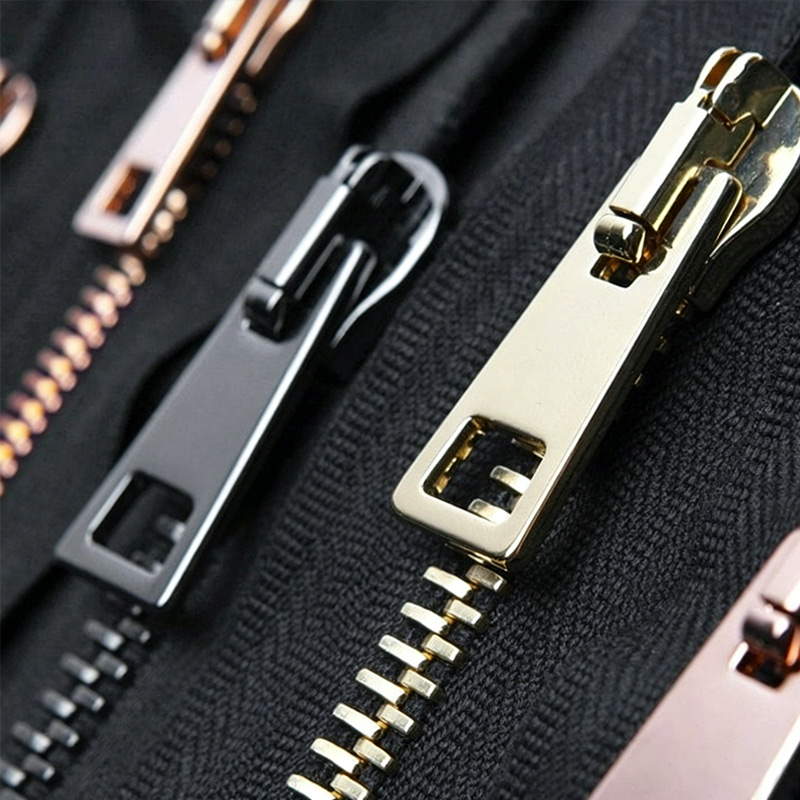
    By Synberry Bag Purchasing Dept When developing a bag collection—whether for a luxury fashion house, an outdoor performance brand, or a fast-fashion private label—the choice of zippers and hardware is rarely a mere afterthought. These components account for a disproportionate share of warranty claims, user complaints, and perceived product value. For B2B buyers and product developers, understanding the global landscape of zipper and buckle suppliers is essential to aligning material choices with brand positioning, target price points, and functional requirements. At SYNBERRY, we source from—and specify for—nearly every tier of the global hardware ecosystem. Below is a practical field guide to the brands that define quality standards across the bag-making industry.   Part I: Zipper Brands—The Hidden Spine of Every Bag Tier 1: The Luxury Standard (Swiss & Italian Heritage) Riri (Switzerland) Often described as the "Rolls-Royce of zippers," Riri commands the highest price point in the market for good reason. Its metal teeth are precision-polished to a flat, sleek profile that delivers a distinctively smooth, dampened glide. Available in 4mm, 6mm, and 8mm gauges, Riri zippers are the default specification for European heritage houses and contemporary luxury labels alike. The brand’s minimum order quantities (MOQs) and lead times reflect its boutique production model, making it suitable for premium collections with unit prices above USD 150.   Lampo (Italy) With roots dating to 1887, Lampo is celebrated for its reversible slider technology and a tooth geometry that prioritizes rounded, tactile engagement. The brand’s plastic-tooth zippers feature a signature "ladder" anti-slip base texture, while its metal lines offer exceptional batch consistency. Lampo is frequently specified for reversible garments and structured leather goods where mechanical reliability must match aesthetic refinement.   Raccagni (Spain) A relatively newer entrant (est. 1983), Raccagni has carved out a niche at the absolute top of the market through obsessive finishing. Its Super "R" series subjects each individual tooth to independent brushing and polishing. Production volumes are intentionally limited, but for brands where hardware is a storytelling element, Raccagni offers unmatched artisan credibility.   Sourcing Recommendation: For luxury or designer-label projects, specifying Riri, Lampo, or Raccagni immediately signals quality intent to end consumers and justifies retail premiums. Lead times typically range 6–10 weeks; plan your sampling calendar accordingly.   Tier 2: The Professional Workhorse (Japanese & North American Standards) YKK (Japan) Holding roughly 46% of global market share and producing over 15 billion zippers annually, YKK is the default reference standard for a reason. Its portfolio is unmatched in breadth: metal (including the premium Excella line), nylon coil, Vislon molded plastic, and the Aquaguard water-resistant series. YKK’s global manufacturing footprint ensures supply stability, though small-batch custom finishing (e.g., bespoke puller shapes) can face rigid MOQ thresholds. For brands that need consistency at scale, YKK remains the safest specification.   Ideal Fastener (USA) A dominant force in North American industrial and compliance-driven markets, Ideal differentiates itself through technical certification. Its metal and specialty zippers are engineered to meet stringent flame-retardant, chemical-resistant, and safety standards. If your bag line serves industrial, military, or safety-equipment channels, Ideal’s documentation and testing protocols can streamline your own compliance workflow.   Talon (USA) Once commanding 70% of the U.S. market, Talon has repositioned around specialty performance: waterproof closures, flame-resistant tapes, and heritage-metal aesthetics. The brand retains strong credibility in outdoor, workwear, and vintage-reproduction segments where functional ratings matter as much as brand lineage.   Sourcing Recommendation: YKK is the universal specification for mid-to-high-tier lifestyle bags. Ideal and Talon become relevant when your distribution channels demand documented safety or environmental performance standards.   Tier 3: High-Volume & Value Engineering (Asian Supply Base) SBS (China) As the domestic market leader in China and a global top-three producer, SBS offers compelling price-to-performance ratios and massive production capacity. In recent years, quality consistency has improved dramatically, though the brand still carries limited cachet in pure-luxury contexts. For fast-fashion, promotional, or e-commerce-native brands where speed and cost control dominate, SBS is a pragmatic choice.   YBS (Taiwan) Positioning itself as a "quality alternative to YKK," YBS delivers metal and nylon coil zippers with tolerances and hand-feel that approach Japanese standards at a more flexible price point. It is frequently adopted by export-oriented OEMs and mid-tier private labels seeking to preserve perceived quality without absorbing full YKK pricing.   3F / YCC / Weixing (China) These manufacturers occupy the cost-optimization tier. Supply-chain agility is their core strength: short lead times, low MOQs, and aggressive pricing. They are appropriate for basic commodity bags, seasonal promotional items, or proof-of-concept samples where hardware is not the hero feature.   Sourcing Recommendation: SBS and YBS represent the optimal balance for most export production runs. We recommend reserving 3F-tier suppliers for price-sensitive, high-volume replenishment programs where incoming QC can be intensified to offset batch variability.   Part II: Hardware & Buckle Brands—Function, Safety, and User Experience Innovation & Premium User Experience FIDLOCK (Germany) FIDLOCK has redefined closure mechanics through its patented magnetic-mechanical locking systems. A FIDLOCK buckle can be engaged blindly with one hand, yet remains mechanically secure under load. The futuristic aesthetic and tactile "snap" deliver immediate UX differentiation. The downside is cost: FIDLOCK hardware can add USD 2–5 per unit depending on size and finish. It is best reserved for performance lifestyle, cycling, baby-care, or smart-bag categories where innovation justifies a retail premium.   Professional Outdoor & Military Specification ITW Nexus (USA / UK Heritage) ITW Nexus is the reference standard for military-grade polymer hardware. Its acetal and reinforced-nylon buckles are engineered for UV stability, extreme-temperature resilience, and impact resistance—some series are rated to loads exceeding 500 lbs, roughly 40% above conventional consumer-grade equivalents. The positive "click" feedback and redundant locking geometries make ITW the default for tactical, mountaineering, and first-responder equipment.   Duraflex (USA) Best known for its Stealth series, Duraflex emphasizes release smoothness and structural heft. The brand’s portfolio spans side-release buckles, ladder locks, triglides, and cord locks with a consistency that outdoor brands have relied on for decades. Duraflex hardware tends to feel "overbuilt" in the best sense—ideal for bags that will see abrasion, repeated adjustment, and heavy dynamic loads.   Sourcing Recommendation: If your customer’s spec sheet references MIL-STD, ANSI, or equivalent outdoor-safety ratings, ITW Nexus and Duraflex are the only responsible defaults. Their certifications reduce your liability and your customer’s field-failure risk.   Asian Manufacturing & Value Optimization Woojin (South Korea) Woojin dominates the Korean domestic market and has become the de facto standard across mid-tier Asian OEM production. Its mold precision and wear resistance approach Duraflex levels, but pricing remains significantly more flexible. For student bags, travel duffels, and general outdoor packs, Woojin delivers 90% of the performance of ITW at roughly 60–70% of the cost.   YKK (Japan) Beyond zippers, YKK’s hardware division produces buckles, snap hooks, cord stoppers, and adjusters with the same batch-to-batch consistency. Its acetal formulations resist chemical degradation (e.g., from sunscreens or DEET), making YKK hardware a safe, brand-recognizable choice for general consumer bags, pet accessories, and children’s products.   Sourcing Recommendation: Woojin is our most frequently specified hardware partner for mid-market export orders. It offers the best compromise between mold quality, cycle durability, and unit economics.   Part III: Decision Matrix for B2B Buyers Bag Positioning Recommended Zipper Recommended Hardware Strategic Rationale Luxury / Designer Riri / Lampo / Raccagni FIDLOCK / Custom metal castings Brand storytelling; tactile luxury; retail premium justification Premium Lifestyle YKK Excella / YBS YKK / Duraflex Global consumer recognition; proven reliability; moderate cost Outdoor / Tactical / Workwear YKK Aquaguard / Ideal / Talon ITW Nexus / Duraflex Functional compliance; extreme-condition durability; safety ratings Fast Fashion / E-com / Promo SBS / 3F Woojin / Domestic hardware Cost control; rapid replenishment; acceptable quality-to-price ratio   Conclusion: Specification as Strategy Zippers and hardware are not commodity inputs—they are the mechanical soul of a bag. The brands you specify communicate intent to factories, to distributors, and ultimately to end users. At SYNBERRY, we maintain active vendor relationships across all tiers described above, allowing us to match component choices to your brand architecture rather than forcing a one-size-fits-all solution. Whether you need Riri for a capsule leather collection, ITW Nexus for a tactical line, or a value-engineered SBS/Woojin combination for a high-volume retail program, our development team can guide specification, manage MOQ negotiations, and ensure incoming quality control at the component level—before hardware ever reaches the production floor.   SYNBERRY BAG is an OEM/ODM manufacturer specializing in B2B bag customization for global brands, retailers, and distributors. With manufacturing footprints in China and Cambodia, we deliver end-to-end development from material specification to final QC.   Author        
  • What are the different ways to make handbag handles?
    What are the different ways to make handbag handles? May 21, 2026
    In bag manufacturing, the handle is not only a carrying component but also the part that consumers touch most frequently. The choice of handle craftsmanship directly affects the product’s weight-bearing safety, durability, carrying comfort, and visual quality.  This article aims to help product development teams and buyers understand various handle manufacturing techniques, their characteristics, and production cost level, enabling them to select the most suitable handle according to their brand positioning and enhance the products’ overall competitiveness. Next, I will systematically break down the main handle manufacturing options for handbags from three aspect: structure, material, and function. Whether you are planning a new product line, evaluating supplier capabilities, or managing cost budgets, this guide will help you lock in the optimal choice right from the early development stage.   I.  Classification of Handbag Handles 1.  Classification by Handle Assembling Method: 1.1  Direct Sewn-In Handle: The handle is directly stitched onto the bag body, providing strength, durability, and a clean, streamlined appearance.     Example of a sewn handle handbag 1.2  Handle connected through Metal Ring or Metal Buckle:  The handle is attached to the bag body via metal rings or buckles, allowing it to be detachable or adjustable in length. Example of a handbag with a handle fixed by a metal buckle 1.3  Knotted Handle:  The ends of the handle are directly secured through the bag’s eyelets in the form of knots, requiring no additional metal hardware, resulting in a casual and natural overall appearance.   Example of a handbag with a handle secured by a knot 1.4  Integrated/One-piece Handle:  The handle and the body of the bag are formed as a single piece, commonly used in rigid leather bags or soft bags. It has fewer seams, resulting in smooth and clean overall lines.   Example of integrated handbag 2. Classification by Handle Material: 2.1  Leather Handles: Classic and durable, can be designed with padding or hollow construction to enhance comfort. 2.1.1  Classic Styles (Flat Handles, Round Handles, Padded Handles) 2.1.1.1  Flat Handles:  One of the most basic and common handle styles in bag manufacturing. Its core feature is that the handle body is flat and strap-like, and it is directly stitched onto the bag surface using either topstitching or hidden stitching techniques.   Example of Sewing Flat Handle 2.1.1.2  Tube Handles: This refers to handles with a circular or near-tubular cross-section. To prevent the tube from collapsing, materials such as cotton cord, PP rope, plastic tubing, or foam strips are often added to the core. This design provides a grip that fits comfortably in the palm and is commonly used in vintage-style bags.   Example of Leather Round Handle 2.1.1.3  Padded Handles: These handles have soft materials such as sponge or foam inserted inside the leather, making them soft to the touch and comfortable to hold. They are suitable for large-capacity, heavy-duty bags, allowing for prolonged carrying without putting pressure on the palm.    Example of padded leather handle 2.1.2  Decorative Leather Handles 2.1.2.1  Woven Leather Handle: Multiple thin leather strips are interlaced to form the handle, creating a textured, layered appearance. This design combines a vintage feel with a handcrafted aesthetic, enhancing the bag’s sophistication and design appeal. It is often used in casual or vintage-style accessible luxury bags.   Example of Leather Weaving Handle 2.1.2.2  Geometric Patchwork Chain Handle: Leather pieces of different colors and textures are cut into geometric shapes and then assembled together. This creates a unique visual effect and caters to the bag’s personalized design requirements.   Example of Leather Geometric Splicing Handle 2.1.2.3  Leather combined with Ribbon or Webbing Handle: Ribbon or webbing is incorporated into the leather handle, retaining the leather’s texture while adding richer color and pattern layers through the fabric elements.   Example of leather+fabric handle 2.1.2.4  Leather plus Metal 2-in-1 Handle:  Metal components such as buckles, chains, or tubes are combined with leather to enhance the handle’s refinement and design appeal. Additionally, the metal elements help reinforce the structure and strengthen the bag’s overall stylistic identity.   Example of leather+metal handle 2.1.2.5  Leather with Rope Wrapped Handles: A piece of leather is manually wrapped around webbing, cotton cord, or a rigid core, and then stitched or glued in place. The leather typically covers only the section that is held by the hand, balancing practicality with design aesthetics.   Example of leather wrapped handle 2.2  Fabric/Webbing/Nylon Cord Handles: Lightweight and casual in style, these handles can feature color blocking or printed/jacquard patterns. 2.2.1 Fabric Handles: Typically made by folding and stitching bag-self fabrics such as Jeans and cotton fabric. The manufacturing process is simple and cost-effective, and the handles are lightweight. They are suitable for everyday casual bags, complementing the relaxed, laid-back vibe of styles like canvas bags and totes.     Example of fabric handle 2.2.2  Webbing Handles: Typically made from industrially produced webbing, such as nylon, polyester, or pure cotton. These materials are inherently strong and resistant to stretching. They can also feature jacquard patterns, prints, or color-block designs, allowing for quick alignment with a brand’s visual identity. Webbing handles are commonly used in casual and sports bags.   Example of webbing handle 2.2.3  Braided Cord Handles: Typically braided by multiple strands of nylon fibers, these handles are strong, durable, and abrasion-resistant, with vibrant colors. They often feature simple, casual designs created through knotting or braiding, and are commonly used in casual or outdoor-style bags.     Display of knotted nylon rope handle 2.3  Metal Handles: Featuring a premium, sleek aesthetic, metal handles not only meet weight-bearing requirements but also serve as visual highlights, enhancing the overall design of the bag. 2.3.1 Metal Chain Handles: Typically constructed by linking metal chain segments together, these handles feature a refined and versatile style. They can be combined with other materials, such as leather, to create either vintage-elegant or contemporary-accessible luxury looks. Metal chain handles can be used as a handheld handle or as a shoulder strap, making them suitable for a variety of bag designs.     Display of metal chain handles 2.3.2  Rigid One-Piece Metal Handles: Typically formed as a single, fixed shape, these handles have a sturdy, solid feel. They are often used as top handles on structured bags, mounted at the bag opening.     Display of rigid metal handle 2.4  Plastic Handles:  Featuring a strong modern aesthetic, plastic handles can be designed in transparent or colorful styles. 2.4.1  Plastic Chain Handles: Made by linking individually injection-molded plastic chain links, these handles are lighter and more cost-effective than metal chains. They can be designed as semi-transparent, pastel, or jelly-colored to suit youthful and trendy bag styles.   Display of Plastic chain handle 2.4.2  One-Piece Plastic-Injection Rigid Handles: Produced directly through mold injection to form a fixed shape, these handles are often used on structured bags. They are lightweight and resistant to rust and discoloration.   Display of Integrated injection molded hard handle 2.4.3  Pearl Ring Handles: Typically made from plastic beads imitating pearls, these handles are lightweight and have a soft, elegant feel. They create a delicate, sweet, vintage-inspired look and are often used on small, refined evening bags or women’s underarm bags, providing a high level of visual sophistication.   Display of Plastic pearl handle 2.5  Wooden Handles: With a natural texture, wooden handles convey a vintage and artistic vibe. They are usually rigid and structured, adding a distinctive sense of premium quality to the bag.   Display of Wooden handle 3.  Classification by Function  3.1  Short Carry Handles: Typically used for carrying by hand, with a length just sufficient to fit comfortably in the hand.   Display of handbag with short handle 3.2  Long Shoulder Strap Handles: Can be worn crossbody or over the shoulder, combining practicality with versatility.    Display of handbag with long shoulder strap handle 3.3  Dual-Functional Handles: The bag features short top handles for hand-carrying, paired with a long, adjustable shoulder strap to increase versatility and flexibility.   Display of handbag with dual handles   II.  How to Match Handle Craftsmanship to Your Product Line The choice of a handle is never an isolated design decision; it represents a balance among product positioning, user experience, and supply chain costs. The following framework helps brands establish a systematic matching logic across three dimensions: pricing, usage scenarios, and style. 1.  Set the price range first, then choose the material High-end line: Prioritize genuine leather handles or metal chain handles. Genuine leather handles offer a premium texture, long service life, and develop a natural patina over time, aligning with the value positioning of high-end products. Metal chain handles enhance the light-luxury feel of the bag and, when paired with fine electroplating, resist fading and scratches, meeting the high-end line’s requirements for detail and quality. Mid-range line: Options can include split leather, microfiber leather, or alternatives to genuine leather, or combination designs with leather-wrapped webbing handles. These choices control costs while maintaining a good tactile feel and visual quality. High-quality structured webbing handles can also be used, supporting branded printing designs and offering a higher cost-performance ratio. Mass-market / budget-friendly line: Prioritize readily available webbing, nylon ropes, or injection-molded plastic handles—materials suited for industrial-scale production. These options do not require custom molds, have lower raw material and processing costs, and can quickly meet fast-moving consumer goods (FMCG) cost-control requirements, shortening prototyping and production cycles.   2.  Determine attachment method based on bag type and function Bag Type / Scenario Recommended Attachment Method Key Technical Points Everyday commuter tote / shopping bag Sewn flat handles or short webbing handles Reinforce stress points with bartacks; for large-capacity bags, add padding to prevent hand strain Vacation / beach casual bag Knotted nylon handles or integrated inset handles Knot ends should be sealed with heat or metal caps to prevent fraying; integrated handles require sufficient fabric weight to bear load Evening / mini bag Metal rigid handles or pearl/plastic chains Visual impact is prioritized; weight-bearing requirements are low, so reinforcement can be minimized, but attention must be paid to hardware oxidation Business briefcase Inset leather handles or metal rigid handles wrapped in leather Structured bag body pairs with inset handles for cleaner lines; wrapping the grip section in leather improves comfort   3.  Style consistency: handles as visual anchors Handles are one of the first places a consumer’s eye is drawn to, so their material and craftsmanship must align with the bag’s overall design language: Minimalist style: Inset leather handles or hidden-seam short handles; minimize exposed hardware to emphasize integration.  Vintage/artistic style: Wooden handles or woven leather handles; use natural material texture and handcrafted details to convey warmth.  Sporty/functional style: Webbing handles (with color-blocking possible) or knotted nylon handles, paired with D-rings or carabiners to enhance the functional aesthetic.  Sweet/trendy style: Plastic chains (jelly color/pearl effect), metal chains, or leather + ribbon combinations; mix materials to create a visual focal point.    III.  Frequently Asked Questions (FAQ) Q1: What are the most common quality issues with handles? A: From a manufacturing perspective, the most common problems are stitching coming undone at stress points, hardware detachment, and leather sagging or wrinkling after prolonged use. To prevent these issues, the most critical step is reinforcing stress points during the pre-production process: all handle-to-bag connections must be bar-tacked, core stress points should receive additional stitching passes, detachable handles must use hardware rated for the intended load, and leather sagging or wrinkling can be mitigated by pre-shaping and shrinking the leather before wrapping, as well as selecting leather of appropriate thickness.   Q2: Does the MOQ differ for handles made of different materials? A: Yes.  Basic stitched handles and cord/rope handles have simpler processes and typically allow a minimum order quantity (MOQ) of 300–500 pieces. Chain handles and leather-wrapped handles involve hardware molds or manual labor, so their MOQ is usually over 1,000 pieces.   Q3: Is there an industry standard for handle length? A: Handle length varies depending on the bag type: Carry Handbags: typically 30–35 cm  Shoulder bags: 60–110 cm (adjustable) However, the exact dimensions should be adjusted according to the bag height and the target user group. It is recommended to conduct real-life wear tests during the pre-production sample stage.   Q4: Can the brand logo be placed on the handle? A: Yes.  Common methods include: Metal cast logos (on chain clasps, D-rings)  Leather embossing  Jacquard on webbing  Edge strip silk-screen printing  Metal casting requires a mold and is suitable for large-volume orders, while embossing and silk-screen printing are more suitable for small-batch, flexible customization. For more information on bag logo customization Planning a new handbag collection? Partner with SYNBERRY BAG for end-to-end ODM/OEM manufacturing. From design refinement to production-ready samples, our team delivers tailored craftsmanship guidance and competitive quoting to bring your vision to market.                              Author        
  • China’s New Leather Safety Standard GB 20400-2026: What Bag Brands & OEM Buyers Must Know Before April 2027
    China’s New Leather Safety Standard GB 20400-2026: What Bag Brands & OEM Buyers Must Know Before April 2027 May 14, 2026
    Published: May 14, 2026 | By SYNBERRY Product Compliance Team   On March 31, 2026, China’s State Administration for Market Regulation (SAMR) officially issued GB 20400-2026 — the Safety Technical Specification for Leather and Fur Products. This mandatory national standard will fully replace GB 20400-2006 on April 1, 2027, ending a compliance framework that has governed China’s leather industry for nearly two decades. For bag brands, retailers, and OEM/ODM buyers sourcing leather handbags, wallets, belts, and accessories from China, this is not a minor paperwork update. It introduces new chemical limits, mandatory labeling rules, and a stricter restricted aromatic amines list that will directly impact supply chains, testing budgets, and product labeling. At SYNBERRY BAG, we work with global buyers every day who rely on China-made leather and fur components. This guide breaks down exactly what’s changing, when it takes effect, and how to stay ahead of compliance risks. Synberry leather backpacks’ production line   1. What Is GB 20400-2026? GB 20400-2026 sets the safety technical requirements for daily-use leather, fur, and recycled leather products — specifically the parts that are accessible to consumers (e.g., exterior leather panels, handles, trim, linings with leather content). Scope includes: Daily-use leather goods (handbags, backpacks, wallets, etc.) Fur products and related articles Recycled leather and related components Scope excludes: Specialized industrial leather/fur products (e.g., heavy machinery belts, safety equipment) Bottom line for bag buyers: If your product contains leather, fur, or recycled leather that a consumer can touch, this standard applies.   2. Five Critical Changes Compared to GB 20400-2006 ① New Safety Technical Requirements The 2026 edition introduces additional safety technical parameters beyond the 2006 version. While the full testing matrix is still being disseminated by labs, buyers should expect stricter overall compliance thresholds that align with modern consumer safety expectations. ② Mandatory Labeling — "GB 20400-2026 Category X" For the first time, products must carry a label indicating the standard number and the safety category they meet, for example: GB 20400-2026 B C-Category This means your product hangtags, care labels, or packaging destined for the China market (and increasingly requested by global buyers as proof of compliance) must explicitly reference the standard and category. OEM buyers should add this to their tech pack requirements immediately. ③ Revised Formaldehyde Limits Formaldehyde restrictions have been updated. Leather components in bags — especially bonded leather, suede linings, and certain dyed finishes — will need re-testing under the new limits to ensure compliance. ④ Expanded Restricted Aromatic Amines List: 20 → 24 The banned aromatic amines derived from azo dyes increase from 20 to 24 substances. The notable addition is 4-aminoazobenzene, a compound now explicitly restricted. This directly affects: Dyed leather skins and hides Printed or pigmented leather finishes Fur dyeing processes Action item: Ask your tannery or dye house for updated dye declarations and test reports covering all 24 amines. ⑤ New Definitions and Scope Clarifications The 2026 edition revises key definitions and tightens the scope language. This reduces ambiguity but also narrows the window for "grey area" interpretations that some suppliers may have relied on under the 2006 version.   3. Implementation Timeline: When Does It Matter? Milestone Date What It Means Standard Issued March 31, 2026 Official publication; testing labs begin method validation Effective Date April 1, 2027 All products produced or imported on or after this date must comply with GB 20400-2026 Grace Period Ends October 1, 2028 Products produced/imported before April 1, 2027 can no longer rely on the old standard and must transition to 2026 requirements What This Means for Your Sourcing Calendar Q3–Q4 2026: Finalize your 2027 spring/summer collections with GB 20400-2026 testing built into the approval process. Before April 2027: If you have long-lead-time orders (e.g., holiday 2027), ensure your factory is already testing against the 2026 version, not the 2006 version. Labeling Lead Time: Allow an extra 2–3 weeks for label artwork updates and supplier label sourcing.   4. Impact on Bag OEM/ODM Supply Chains For Brands & Retailers Testing costs may rise in the short term as labs calibrate new methods and the amines panel expands. Supplier audits should now include a GB 20400-2026 readiness checklist. Label compliance becomes a visible requirement; non-compliant labeling can trigger customs or marketplace rejection in China.   5. How SYNBERRY BAG Helps You Stay Compliant As a 33-years OEM/ODM manufacturer specializing in backpacks, handbags, cosmetic bags and other leather goods like leather belts, we are proactively adapting to GB 20400-2026 so our buyers don’t have to absorb the compliance shock alone.                   Leather gluing line of Synberry Bag What We’re Doing Now: Supplier Tannery Audits: We are requiring our leather and fur material partners to submit updated dye declarations and pre-test against the 24-amines panel. Testing Partnerships: We work with Bureau Veritas, SGS, and Intertek, UL to validate testing protocols for the 2026 edition before the effective date. Label Integration: Our sample room is updating mock-up labels to include the new "GB 20400-2026 Category B" (or A/C as applicable) format, ensuring your production labels are ready for April 2027. Tech Pack Updates: We are revising our standard material specification templates to reference GB 20400-2026 instead of the 2006 version for all new inquiries. What You Should Do Next: Send us your latest designs. We’ll flag which components (leather trims, fur pom-poms, recycled leather patches) fall under the new standard. Request a compliance roadmap. We can map your production calendar against the April 2027 deadline and suggest testing checkpoints. Update your quality agreements. If you already have a supplier manual, add GB 20400-2026 as a mandatory testing reference for leather-containing SKUs.   6. Frequently Asked Questions Q: Does GB 20400-2026 apply to PU leather or vegan leather? A: No. The standard applies to genuine leather, fur, and recycled leather. PU/vegan leather falls under other standards (e.g., GB/T 8948 or REACH for EU markets). However, if your bag uses both genuine leather trim and PU body, the leather trim must comply.   Q: My products are exported to Europe/USA, not sold in China. Do I still need to care? A: Even if your destination market is outside China, your manufacturing base is likely in China. Chinese customs and market surveillance increasingly check exported goods for compliance with mandatory national standards. Moreover, many global retailers (especially in Germany, France, and the Nordics) now request Chinese mandatory standard compliance as part of their vendor scorecards.   Q: What is the difference between Category A, B, and C? A: The standard maintains a classification system (A = direct skin contact / infant-grade, B = direct skin contact, C = non-direct skin contact). The exact testing limits differ by category. Most fashion handbags with leather handles or linings fall under Category B.   Q: Can I use test reports from GB 20400-2006 after April 2027? A: Only for products produced or imported before April 1, 2027, and only until October 1, 2028. After that, all products must meet the 2026 version.   Leather belts produced by Synberry   Conclusion: Don’t Let Compliance Become a Bottleneck GB 20400-2026 represents a significant modernization of China’s leather safety rules. The 20-year-old framework is giving way to stricter chemical controls, clearer labeling, and an expanded banned-substances list. For bag brands and OEM buyers, the message is simple: plan now, test early, and align your supply chain before April 2027. At SYNBERRY BAG, compliance is built into our development process — not treated as an afterthought. Whether you’re launching a new leather handbag line or updating an existing collection, we can help you navigate GB 20400-2026 from material selection to final labeling. Ready to make your next collection compliant? Contact our team today → for a free compliance checklist tailored to your product mix. Disclaimer: This article is for informational purposes based on publicly available standard summaries. For legal compliance decisions, always consult a certified testing laboratory or regulatory advisor.     Author        
  • How a Premium Bag Is Made
    How a Premium Bag Is Made Oct 30, 2025
    A Deep Dive into Synberry Bag Cambodia Manufacturing Process   In today’s fast-changing global supply chain, finding a reliable and skilled bag manufacturer is more important than ever. As a procurement manager or brand owner, you need more than just a factory. You need a strategic partner who understands your brand identity, follows strict quality standards, and delivers on time.   This article takes you inside Synberry’s bag factory in Cambodia, where every material is carefully crafted step by step into a premium finished bag. Discover why top brands choose us as their trusted bag manufacturing partner.   1. Factory Overview: A Beyond-Ordinary Bag Manufacturing Facility   Synberry is a specialized bag manufacturer with years of experience in creating high-quality bags such as nylon backpacks, and leather handbags, PU tote bags, cosmetic pouches etc.   Our factory is located in Cambodia, staffed with 1600 hundred of skilled workers and equipped with Lean Production lines. With over 30 years of manufacturing experience, we provide a complete one-stop service that includes: • Product design • Sample development • Full testing  • Mass production • Quality inspection • Shipping and logistics support   Our stable production team and efficient process ensure that each order meets the highest quality standards. 2. Custom Materials and Product Options   We produce bags in a wide range of materials based on each client’s request. According to material classification, our primary products comprise the following three categories:   •  Nylon / Polyester Fabric Bags We use various oxford fabrics to make lightweight and durable bags, such as backpacks, duffel bags, shoulder bags, pouches etc. Each fabric is treated to be water-resistant, dust-resistant and abrasion-proof, making it ideal for daily use.   •  PU (Vegan Leather) Bags Our PU bags come in many colors and textures. They offer the perfect mix of style, durability, and cost-efficiency, while supporting eco-friendly and animal-free production.   •  Genuine Leather Bags For some premiums bags, we also use genuine leathers like top-grain cowhide leather or sheepskin leather to create elegant handbags with a smooth touch and a long-lasting, classic look. Each leather piece is carefully selected to highlight natural texture and beauty. 3. From Design to Finished Product   Every bag we make starts with an idea, whether it is a client’s preliminary design or one of our in-house templates, our designers and technicians work closely together to turn sketches and samples into functional, beautiful products. From leather handbags to nylon backpacks, each piece reflects our attention to detail and commitment to quality. Below, we take leather bags as an example to show how each step in our production process turns raw materials into a premium finished bag.   4. Detailed Production Process for Leather Bags   Leather bag production involves a series of meticulously executed steps, each one contributing to the bag’s final quality, durability, and beauty.    From carefully selecting the appropriate leather to precise cutting, skiving, stitching, edge finishing, and hardware fitting, every stage reflects the craftsmanship and dedication of our skilled artisans.   4.1 Incoming Materials – Code, Verify & Inspect   Upon arrival at our factory, all raw materials including main fabric, linings, hardware, and other accessories undergo a thorough inspection before being coded and logged into our material control system. Each batch receives a unique identification tag, allowing our production team to track every material through each stage of manufacturing, from initial storage to cutting, sewing, assembly, and final shipment.    This meticulous process ensures full traceability, quality consistency, and accountability across the entire production chain.   4.2 Incoming Materials – Quality Inspection   Our incoming quality control (IQC) team carefully inspects all incoming leather for thickness, surface imperfections, color consistency, etc. Ensuring that every material meets customer specifications. Only approved leather enters the production process, forming the foundation for premium leather bag manufacturing and OEM bag production.   This meticulous inspection process helps us deliver high-quality leather handbags and luxury bags that meet global brand standards and maintain consistent performance from sample to bulk production.     4.3 In-house Testing Before Cutting   Our factory is equipped with a full range of in-house testing machines. After the incoming materials pass visual inspection by the IQC team, sample pieces are first cut for internal testing which include tensile strength, color fastness, hardware abrasion resistance, water resistance, heavy metal testing and so on. Only when these tests meet the required standards do we proceed to the next cutting stage.    This process allows us to verify quality at an early stage and effectively reduce external lab testing costs and timing.   4.4 Cutting & Pre-material Preparation   Once the materials are approved, they are carefully transported to the cutting area. Skilled operators use die-cut or hot-cut machines or high-precision laser cutters to follow detailed patterns, ensuring each panel is cut accurately and consistently per relevant bag requirement.   Every panel including flaps, side panels, bottoms, and straps is prepared to exact dimensions, providing a perfect foundation for the subsequent assembly and stitching stages. Precision at this stage is critical, as it directly impacts the fit, structure, and overall quality of the finished bag.     4.5 Skiving & Edge-polishing   For premium leather bags, our skilled technicians carefully perform skiving and edge-thinning on both the leather and foam layers. This process ensures that folded edges and stitched seams lie perfectly flat, reducing bulk and enhancing the bag’s overall structural integrity.   Precise skiving is critical for bag durability and aesthetic quality, particularly on areas such as straps, flaps, and side panels, where clean edges and smooth folds contribute to the finished bag’s polished appearance. 4.6 Logo Stamping or Embossing   We treat brand marking as a crucial step in defining the identity of each bag. Using heat-press stamping, foil stamping, or debossing, our skilled technicians apply logos and brand names with meticulous attention to detail.   This process not only ensures clean, precise, and durable branding, but also highlights the craftsmanship that goes into every premium leather bag or other custom bag we produce. Properly executed branding enhances the bag’s aesthetics, elevates its luxury appeal, and strengthens the client’s brand recognition. 4.7 Adhesive Application & Lamination   Specialized machines precisely apply adhesive to the back of each leather panel, ensuring even coverage and optimal bonding strength. Skilled workers then carefully attach the leather to foam or lining boards, aligning every edge and corner to achieve the desired bag structure, firmness, and tactile feel.   This step is critical in leather bag manufacturing, as proper adhesion ensures the bag maintains its shape, durability, and overall quality throughout use. 4.8 Edge Binding (Semi-automatic)   Edge‐binding is performed using semi-automated equipment combined with skilled manual precision, allowing our technicians to carefully control tension, alignment, and edge finishing. This process ensures that all bag edges are smooth, neat, and consistent, preventing fraying or unevenness and contributing to the overall structural integrity and polished appearance of the finished product.   Proper edge-binding is essential in leather bag manufacturing, as it not only enhances durability but also improves the aesthetic appeal of flaps, straps, and side panels. 4.9 Position Hole Drilling & Line Pressing   Punching machines carefully drill positioning holes on leather panels to ensure precise alignment for subsequent stitching and assembly. At the same time, line press machines stamp reinforcement lines or decorative stitches, providing both structural strength and visual detailing.   This step is particularly critical for areas that bear stress, such as straps, handles, and flap edges, ensuring that designer shoulder bags and handbags maintain their shape and durability. 4.10 Hardware Punching & Edge-finishing   All hardware components, including buckles and D-rings etc, are precisely punched, aligned, and installed using specialized machine tools to ensure secure attachment and consistent placement. Besides, the leather edges undergo edge-finishing, where an oil-based treatment is carefully applied and allowed to cure. This process creates smooth, crisp, and refined edges that enhance both the durability and aesthetic appeal of the bag.   Attention to detail in hardware setting and edge-finishing is critical in leather bag manufacturing, as it directly impacts the structural integrity, longevity, and premium look of the finished product. 4.11 Label Making & Edge Finishing   Brand labels are separately produced with meticulous attention to detail. Each label undergoes a specialized edge-oil treatment that enhances durability while giving the edges a smooth, refined finish. After the oiling process, the labels are carefully dried under controlled conditions to ensure the finish remains flawless and consistent.    Following drying, each label is polished by hand to achieve a subtle sheen, highlighting the precision craftsmanship.  4.12 Sewing & Computerized Reinforcement Stitching   The panels then proceed to the sewing line. Skilled workers assemble the bag following workflow: attaching pockets, installing zippers, then stitching major panels.    Critical stress points (for example strap ends) are reinforced using computerized stitching machines, adding pattern stitching (such as cross-reinforcement) for improved durability. 4.13 Final Quality Inspection (FQC)   Before shipping, each finished bag undergoes a comprehensive, multi-step inspection process to ensure it meets the highest quality standards. The checks include visual inspection of overall appearance, verification of dimensional tolerances to ensure precise sizing, evaluation of stitching strength to confirm durability, testing of hardware components for secure attachment and long-lasting performance, and thorough assessment of finishing details such as edge treatments, polish, and surface uniformity. Any item that fails to meet the established standards is immediately flagged and returned to the production team for correction or rework.    This meticulous quality control process guarantees that every bag leaving the factory not only meets functional requirements but also embodies the premium look, feel, and craftsmanship expected by all clients and international markets. 4.14 In-house finished product testing   To ensure every bag meets international durability standards, we conduct additional performance tests upon request such as seam and stitch strength tests using tensile machines, and load-and-drop tests that simulate real-life use.    These rigorous checks guarantee that each product maintains its form and strength even under demanding conditions. 4.15 Needle Detector & Disinfection   For premium brands or children’s products, except all above standard processes, we added needle-detector machine and Ultraviolet sterilizer equipment as an extra process. These machines ensure that each bag is thoroughly inspected for any traces of metal debris, providing an added layer of safety and quality control.    In addition, the disinfection process guarantees that all bags remain hygienic, clean, and safe for end-users. This combination of meticulous inspection and hygiene measures reinforces our commitment to delivering premium, worry-free products. 4.16 Packing & Shipping   Once bags have passed all quality inspections and testing, each qualified item is carefully cleaned to remove any dust or particles, ensuring a pristine presentation. Depending on the material and brand requirements, bags are then placed into protective dust polybags or specially designed protection covers that prevent scratches and maintain shape during storage and transit.    Each bag is clearly labeled with SKU, color and other relevant details to ensure accurate identification and traceability before entering finished warehouse. The labeled bags are then systematically packed into sturdy cartons, which are marked with comprehensive shipping information, including client’s name, destination region, quantity etc. So any finished goods at our warehouse can be quickly tracked from our inventory control system.   Finally, the cartons are handed over to logistics partners for secure export, guaranteeing that every bag reaches its destination in perfect condition and upholds the premium quality and presentation expected by clients and end-users.     5. Conclusion: From Craftsmanship to Quality, We Deliver Trust   From raw material intake to packed and shipped goods, every step conveys our commitment to craftsmanship, reliability and partnership. We’re not just a professional bag manufacturing facility, we are strategic production partner behind your brand.   Whether you’re seeking a high-end luxury leather handbag, a budget-friendly PU cosmetic pouch, or a functional nylon / polyester backpack, we are ready to deliver solution-oriented, high-quality bag manufacturing. With our expanded capacity, enhanced facilities and proven production processes, we are poised to help you launch or scale your brand confidently.   We sincerely invite you to visit our Cambodia factory for an on-site audit. See firsthand how an idea is transformed into a tangible product of excellence. Let's collaborate to create the next market success story.     Author        
Contact Us
Address : Unit 905, Block B, Jinri Building, No. 88 Anling Second Road, Huli District, Xiamen, Fujian, China
Get in Touch

Please Read On, Stay Posted, Subscribe, And We Welcome You To Tell Us What You Think.

Linkedin WhatsApp Facebook instagram

Copyright @2024 Synberry Bag & Package Products Co.,Ltd All Rights Reserved. Network Supported

Sitemap / Blog / Xml / Privacy Policy

Contact Us

Contact Us
Hi there, I hope you're having a lovely day! Thank you for reaching out to us at Synberry --- where 30 years of craftsmanship meets everyday style. With three decades of expertise in bag manufacturing, we don't just make bags --- we build trust, stitch by stitch. Whether you're looking for timeless design, durable quality, or a partner who truly understands your needs,feel free to talk to us.
submit

home

products

WhatsApp

Contact Us