china backpack manufacturer
Home

Blog

Blog

  • Nylon Denier 101: 10D to 1000D Quick-Reference Guide for Smarter Bag Design
    Nylon Denier 101: 10D to 1000D Quick-Reference Guide for Smarter Bag Design Jan 13, 2026
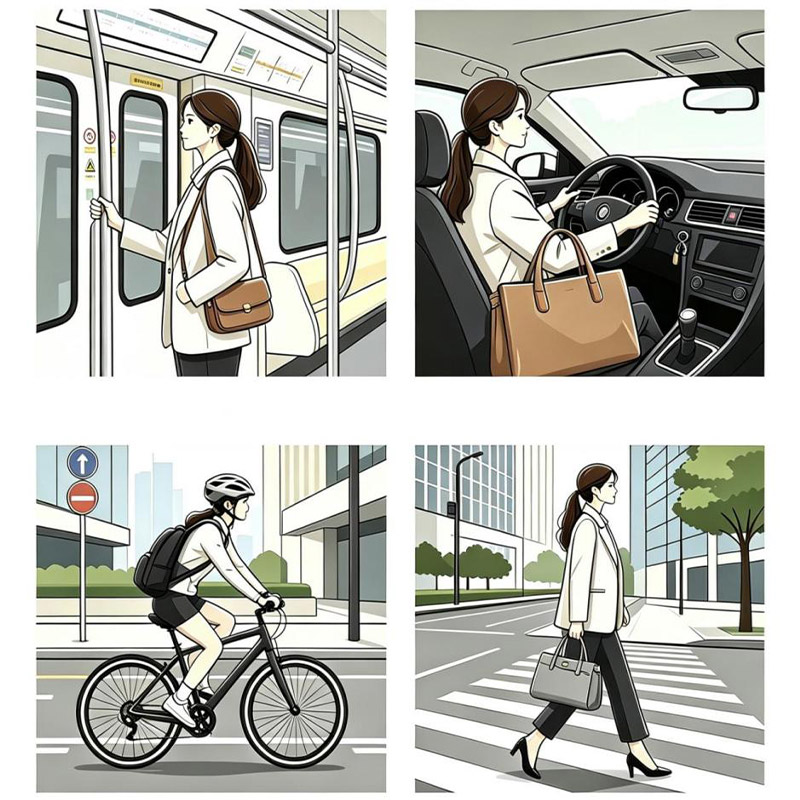
    The nylon fabric can be found almost everywhere in the bag industry: on the commuter bus in the early morning, in the café during lunch breaks, and at the busy boarding gates in airports. If you take a look around, you’ll notice its presence in various forms; from the urban commuter bags in the hands of business professionals to the lightweight backpacks on students' shoulders, and the multi-functional hiking bags worn by outdoor enthusiasts. This seemingly ordinary material, unlike leather which is “delicate” or canvas which is “heavy,” has quietly become the “all-rounder” of the bag world due to its comprehensive qualities of being “light, strong, waterproof, and easy to maintain.”   Ⅰ, The definition of nylon fabric   Nylon, scientifically known as polyamide fiber, is a textile fabric made from polyamide as the main raw material through processes such as melt spinning, dyeing, weaving, and finishing. It is the world's first completely chemically synthesized fiber.   It was invented by American scientist Wallace Carothers in 1935, originally used as a replacement for silk in the production of women's stockings. During World War II, due to its exceptional strength and durability, it was widely used in military equipment, including parachutes, tents, and military backpacks. It was during this period that nylon's excellent performance in various aspects was fully validated, laying the foundation for its later entry into the civilian bag market.   Ⅱ, The specifications of nylon fabric   1. Classified by yarn thickness This is the most essential specification, measured in "denier," which represents the weight in grams of 9,000 meters of yarn. The higher the denier number, the thicker the yarn, and the fabric becomes heavier and more durable.   Ultra lightweight: 10D-30D, the ultra-fine denier range, with a weight of only 15–45 g/m², has insufficient strength to bear weight on its own. It is usually coated with functional layers or combined with other fabrics. After adding functional coatings, it can be used as lining for sleeping bags, tent materials, or rain covers for backpacks. Lightweight: 40D-70D, the hand feel is similar to silk, the tear strength is 5–6 N, so it would tear easily when hooked at load-bearing points. It can only be used for ultra-light foldable bags or lining pouches, and requires PU coating, with all stress points reinforced by webbing binding and reinforcement fabrics. Medium weight: 210D-420D, in the bag industry, it falls into the "mid-weight golden range," offering sufficient strength, moderate cost, and a wide variety of application scenarios. Almost every brand uses this specification. 210D fabric is commonly used for drawstring bags, while 420D is almost universally applied in all types of bags, including backpacks, travel bags, and more. Heavyweight: 500D-1000D and above, used for areas requiring extreme abrasion resistance.  For example, 1000D Cordura is commonly used in the bottoms and high friction areas of tactical backpacks and tool bags. 1680D is used for high end luggage shells.   2. Classified by fabric density The unit is "TEX," which represents the total number of warp and weft yarns per inch and reflects the fabric's tightness. The higher the TEX number, the denser the fabric, and the better its windproof and waterproof properties.   Low density: 70T-150T, breathable, used for tents, umbrellas, etc. Medium density: 190T-290T, balancing durability and lightness, used for backpacks, clothing. High density: 300T-470T, tightly woven and durable, used for high end luggage, protective clothing.   3.  Classified by weaving pattern Yarn is woven using different methods to form fabric, and the weaving pattern determines the fabric's appearance and performance.   Plain weave: A technique where the warp and weft yarns interlace every other yarn, resulting in a tight structure and lightweight texture, commonly used for down jacket fabrics. Twill weave: The fabric surface has obvious diagonal lines, offering good abrasion resistance, commonly used for luggage. Satin weave: The fabric surface is smooth and glossy, but prone to snagging, typically used for high-end clothing or linings. Jacquard weave: A textile created through a Jacquard loom that controls the interlacing of the warp and weft yarns to directly form raised patterns, highly decorative and used for high end products. Oxford cloth: Uses a combination of coarse and fine yarns in the warp and weft, giving the fabric a textured feel. It is durable and abrasion resistant, commonly used for backpacks, tents, and more.   4.  Classified by post finishing process This is the process that gives the fabric its final functionality. The same base fabric, when treated differently, can have vastly different performance characteristics.   PU Coating: Waterproof, wear resistant, with a soft touch. PVC Coating: Waterproof, good weather resistance, and lower cost. TPU/TPE Coating: Environmentally friendly, breathable, and flexible. Waterproof Coating: Durable water repellent treatment, causing water droplets to roll off the surface. Flame retardant Coating: Fire resistant and flame retardant, used for special protective applications. UV resistant Coating: Prevents sunburn and fabric aging. Antibacterial Coating: Prevents odors, mildew, and ensures hygiene. Moisture wicking Coating: Keeps the skin dry and regulates body temperature. Antistatic Coating: Eliminates static adsorption and prevents static sparks.   Ⅲ,  Characteristics and limitations of nylon fabric   1. Characteristics; High Strength: Its strength is 2-3 times that of cotton fibers of the same weight. It has good toughness and can withstand tens of thousands of bends without breaking. Abrasion Resistance: Its abrasion resistance is 10 times that of cotton and 20 times that of wool, making it commonly used in products that require high wear resistance. Good Elasticity: It has excellent rebound resilience, making the fabric less prone to deformation, and the texture remains smooth. Lightweight and Load-Reducing: With a density of only 1.15g/cm³, it's 1/3 the weight of leather and 2/3 that of canvas. A 15-inch laptop bag can reduce weight by 180-220g, significantly alleviating shoulder pressure during commuting. Quick Drying and Easy to Clean: Dries in 30 minutes outdoors, reducing the risk of mold. Its surface is low-maintenance, and coffee or foundation can be wiped off easily. Basic Waterproofing: The fiber itself has a moisture absorption rate of <4%. After special PU/TPU coatings or lamination, its waterproof rating can reach above 800 mmH₂O. High Dye Saturation: Can be dyed with acid dyes at 95°C low temperature, achieving a color difference ΔE<0.8, unlike polyester which requires high temperature and high pressure.   2.  limitations; Poor Moisture Absorption: The fabric has poor breathability and is prone to static electricity. Prone to Pilling: The surface may develop pilling after prolonged friction. Average Heat Resistance: It softens easily under high temperatures (melting point around 215-260°C), and requires low heat for ironing.   Ⅳ,  Applications of Nylon Fabric in the Bag Industry   Thanks to its outstanding strength, abrasion resistance, lightweight properties, and versatility, nylon fabric has established a highly mature and interconnected industrial chain in the bag industry. In terms of application scenarios, the full scenario coverage capability of nylon fabric is fully demonstrated.   1. Daily Commuting and Business Scenarios  Core Requirements: Lightweight, durable, easy to clean, and suitable for daily high frequency use.   Backpacks: Large capacity with multiple compartments, ideal for students and professionals. Laptop Bags: Made from 420D-600D nylon, equipped with a shockproof laptop compartment to meet commuting needs. Briefcases/Messenger Bags: Mostly crafted from 600D-900D fabric and paired with a minimalist design, it balances durability and structure, making it suitable for  business occasions.   2.  Outdoor Sports and Adventure Scenarios Core Requirements: High strength, abrasion resistance, waterproof and breathable, suitable for complex outdoor environments.   Hiking Backpacks: Made from 1000D-1680D high-density nylon, equipped with a professional carrying system. Trekking Backpacks: 600D-840D nylon, focusing on lightweight and breathability. Trail Running Backpacks: 210D-420D ultra-light nylon, designed for a close fitting body. Cycling Bags: Water resistant nylon, often equipped with reflective strips and rain covers.   3.  Travel and Business Trip Scenarios Core Requirements: Large storage capacity, abrasion and scratch resistance, suitable for both long and short distance transport, and frequent organization.   Travel Backpacks: Expandable capacity design, ideal for travel. Toiletry Bags & Organizers: Waterproof nylon, convenient for organizing toiletries. Suitcases: Made from 600D-1000D nylon, equipped with TSA approved locks.   4.  Fashion and Trendy Scenarios Core Requirements: Strong design, rich colors, lightweight and fashionable, combining style with practicality.   Cross body Bags & Shoulder Bags: Made from 210D-420D nylon, featuring prints or laser cut designs. Clutch Bags: Lightweight nylon, perfect for everyday pairing. Waist Bags & Chest Bags: Lightweight design, ideal for sports and leisure activities.   5.  Student and Campus Scenarios Core Requirements: Large capacity, multiple compartments, high cost effectiveness.   Student Backpacks: Made from 420D-600D nylon, equipped with multiple compartments and stationery storage. Sports Bags: Lightweight and breathable, ideal for physical education classes and club activities.   6.  Maternity and Children’s Scenarios Core Requirements: Lightweight, safe, easy to clean, with fun designs.   Diaper Bags: Multiple compartment design for easy categorization and storage. Children's Backpacks: Lightweight design, ergonomic to suit children's body structure.   7. Professional Tools and Specialized Scenarios Core Requirements: Strong functionality, abrasion resistant protection, customizable compartments and protective structures.   Camera Bags: Shockproof compartments to protect camera equipment. Tool Bags: Nylon 1000D and above, equipped with tool organization and fixation systems. Medical & Rescue Bags: Flame retardant or antibacterial nylon, meeting professional standards. Military Bags: Made from ballistic nylon or Cordura, designed to meet the demands of extreme environments.   8.  Custom and Personalized Scenarios Core Requirements: Personalized design, brand customization, limited edition.   Corporate Custom Bags: Customized with brand logos, used as corporate gifts. Event Commemorative Bags: Designed with event themes, available in limited editions. Personalized Custom Bags: Customized with individual patterns or text.   9.  Eco friendly and Sustainable Scenarios Core Requirements: Eco friendly materials, recyclable, sustainable.   Recycled Nylon Bags: Made from recycled nylon materials. Bio-based Nylon Bags: Made from plant based raw materials, reducing carbon footprint. Biodegradable Nylon Bags: Specially crafted to reduce environmental pollution.   10.  Smart Technology Scenarios Core Requirements: Function integration, smart connectivity, high tech feel.   Smart Backpacks: Integrated with power banks, Bluetooth tracking, and anti-theft systems. Solar Backpacks: Equipped with solar panels to charge devices. Waterproof Electronic Bags: Fully waterproof, designed to protect electronic products.   In conclusion, nylon fabric is not simply a synthetic fiber, but a customized material that has evolved over a century, deeply adapting to the needs of the bag industry. From the precise classification of basic specifications to functional modifications and upgrades, from its core advantage of lightweight properties to sustainable environmental improvements, nylon fabric has continuously optimized to meet the durability, portability, and functionality requirements of bag products. It has become an important bridge connecting material science with bag design. The next time you carry a nylon bag, take a moment to appreciate that what it holds is not only your personal belongings, but also the legend of a material that has conquered the world.   Author        

      Tags :

  • YSL Bag vs Celine Bag:
    YSL Bag vs Celine Bag: Jan 09, 2026
    From Design Aesthetics to Craftsmanship — Exploring the Manufacturing Logic Behind Luxury Handbags   In the high-end handbag market, YSL bag (Saint Laurent Bag) and Celine bag are two French luxury brands that are frequently compared. Both brands originate from Paris and place strong emphasis on design and quality. However, when it comes to bag structure, brand positioning, and manufacturing philosophy, they demonstrate distinctly different approaches. As a custom handbag factory specializing in handbag manufacturing and customization, synberry analyze the differences between YSL bags and Celine bags from a production-oriented perspective. Our goal is to help brands, buyers, and designers gain a deeper understanding of the craftsmanship and manufacturing logic behind these iconic luxury handbags.   I Brand Aesthetic Comparison: The Edge of YSL Bag vs. the Restraint of Celine Bag   1.YSL Bag: Sharp, Structured, and Attitude-Driven YSL (Yves Saint Laurent) has consistently maintained a strong urban and avant-garde identity in its handbag designs. Whether it is a ysl purse, ysl clutch, or ysl shoulder bag, these styles typically share the following characteristics: Clean and sharply defined silhouettes Strong and visible structural support Metal logos serving as the visual focal point Designs oriented toward evening wear, social occasions, and fashion-forward styling From a manufacturing perspective, a Saint Laurent bag places high demands on shape stability and material firmness. Additional internal reinforcement is often required to ensure that the bag retains its structure and silhouette even after long-term use.   2.Celine Bag: Quiet, Refined, and Focused on Everyday Practicality In contrast, Celine bag designs convey a more restrained and understated aesthetic. Whether it is the Celine Triomphe bag, Celine bucket bag, or Celine tote bag, the design focus is placed more on: Proportion and negative space Practicality for everyday and work-related use Soft yet premium leather textures Subtle brand identity without overt visual statements From a production standpoint, Celine handbags place greater emphasis on the natural feel and drape of the material itself. This requires extremely high standards for leather selection, cutting precision, and stitching consistency.   II Classic Bag Style Comparison: Manufacturing Differences from a Structural Design Perspective   1.YSL Tote Bag vs. Celine Cabas Tote   A ysl tote bag typically features a more defined and structured silhouette: A firm and well-shaped body Clear structural support at the base and side panels Well suited for carrying larger capacities while maintaining its overall shape   In contrast, the Celine Cabas tote follows a minimalist design approach: Large panels made from single pieces of leather A relatively simplified internal structure Greater emphasis on the natural drape and fluidity of the leather From a factory and manufacturing perspective, the former places higher demands on lining construction and shape-setting techniques, while the latter relies more heavily on leather quality, cutting precision, and material yield control.       2.YSL Shoulder Bag vs. Celine Bucket Bag   A ysl shoulder bag often features flap closures or metal chain straps, which place higher demands on the following manufacturing details: Load-bearing and durability testing of metal hardware Strength and wear resistance at the connection points between leather and chain Precise alignment of the flap opening and closing positions   In contrast, the Celine bucket bag is primarily based on a cylindrical structure, with production focusing on: Precision in circular base panel assembly Smooth functionality of drawstring or magnetic closure systems A natural and balanced shape when the bag opening is tightened or released These two bag styles require entirely different levels of paper pattern accuracy during the sampling stage, reflecting distinct structural and technical priorities in production.   III Materials and Craftsmanship: Where Does the Sense of Luxury Come From?   Based on manufacturing experience, YSL bag and Celine bag place different priorities on material selection. 1.YSL handbags More frequently use leathers with strong surface treatments Embossing, coatings, or special glossy finishes are commonly applied Greater emphasis is placed on visual impact and statement-making appearance   2. Celine handbags Prefer calf leather with a natural grain texture Tactile feel and uniform thickness are critical quality factors Extremely low tolerance for leather imperfections This is why, during the sampling and development stage, the raw material selection standards differ significantly between these two types of luxury brands.   IV Insights from a Handbag Factory Perspective: What These Brands Teach Us   For brands looking to develop a high-end handbag collection, studying ysl bag and celine bag is not simply about whether the final product looks similar. More importantly, it is about understanding: How different design styles place different demands on bag structure How various usage scenarios influence craftsmanship and technical choices How to balance cost and perceived quality between design intent and production execution For example: Products inspired by ysl clutch styles are better suited to increased investment in structural reinforcement and metal hardware Products leaning toward celine purse or tote bag styles should allocate more budget to leather quality and material selection   V Conclusion: Different Styles, One Common Foundation — Professional Manufacturing   Whether it is the bold edge of a Yves Saint Laurent purse or the restrained elegance of a Celine Triomphe bag, both ultimately rely on the same foundation: stable, scalable, and high-quality manufacturing capability. As a handbag manufacturer, our primary focus is on how to accurately translate design concepts into structure, materials, and craftsmanship, while maintaining consistency throughout mass production. If you are developing products inspired by ysl shoulder bag or celine tote bag styles, or looking to build a premium handbag collection for your own brand, we would be glad to support you from a manufacturing perspective and help turn your designs into reality.   Author        

      Tags :

  • Chanel Tote Bag vs Dior Tote Bag : Comprehensive Comparison Review
    Chanel Tote Bag vs Dior Tote Bag : Comprehensive Comparison Review Jan 09, 2026
    Like Louis Vuitton and Goyard, Chanel and Dior are also two highly popular names among the leading luxury brands. In this article, we will provide an in-depth comparative analysis of their iconic models, the Chanel 22 Shopping Bag and the Dior Book Tote, from both the manufacturer’s and consumer’s perspectives, unveiling the intricate craftsmanship and the cost factors behind these bags.   I.Manufacturer Perspective   Chapter 1  : Cut Components  1.Chanel Tote Bag -  chanel 22 Shopping Bag Cut Components: Leather Grading System: Lambskin is processed using the whole-piece extraction method, with only 40% of each hide designated as Grade A material. The side panels and base must be continuously cut from the same hide. Grade B leather is used for interior pockets, while Grade C is discarded entirely. The silk lining requires warp-and-weft-aligned cutting​ to prevent deformation.   The Mathematical Precision of Quilting: Each diamond-shaped unit: side length 2.3 cm, tolerance ±0.1 mm. The entire bag requires pre-calculation of 328 grid point positions to ensure pattern symmetry.The silk lining must be cut along the warp and weft​ to prevent deformation.   Material Utilization Rate: 38% (The Cost of Craftsmanship in Luxury Goods)   2 . Dior Tote Bag - Book Tote Cut Components: Reverse embroidery process: Embroidery is completed on the canvas base before cutting, ensuring pattern integrity and symmetry on the bag body. Cutting must avoid dense embroidery areas, resulting in a 25% increase in material wastage.   Structural Design Features: Utilizes a composite structure of stiff canvas + inner support panel, with triangular reinforcement gussets applied at the bottom corners to enhance three-dimensional form. Handle components require pre-forming and are pressed in molds for 48 hours to set their shape. Material Utilization Rate: 50% (limited by embroidery process)   Chapter 2: Machine Stitching Technique 1. Chanel 22 Shopping Bag Stitching Craftsmanship Standards: Employs a dual invisible stitching system with surface stitches at 4.5 stitches per centimeter and an inner reinforcement stitch at 0.3mm spacing, invisible to the naked eye. The edge stitching uses a hidden backstitch techniquewith no visible thread ends on either side. Diamond quilting is performed with a dual-needle synchronous sewing machine to ensure uniform thickness. The inner pocket openings feature a combination of overlock stitching and blind stitching Labor Cost: 210 minutes per piece (hand-sewing accounts for 70%)   2.Dior Book Tote  Stitching Innovation: Seam Treatment Around Embroidery**: Utilizes a 0.15mm ultra-fine needle to avoid damaging the embroidery threads. The main body employs **chain stitching** for superior elasticity, ideal for canvas material. Radiating stitches are used at corners to ensure even stress distribution. The inner lining is finished with an **overlock stitch** for a denser, more secure seam. Labor Cost: 150 minutes per piece (embroidery process accounts for 60%)   Chapter 3: Hardware 1. Chanel 22 Shopping Bag The Alchemy of Hardware: The double-C turn-lock is crafted using solid brass multi-axis CNC engraving, with a single piece requiring up to 45 minutes of engraving time. It features a 7-layer electroplating structure: copper base → nickel foundation → palladium intermediate layer → three layers of 24K gold → protective varnish, achieving a plating thickness of 15 microns (industry standard: approximately 5 microns). The clasp mechanism incorporates Swiss-made precision springs, with an opening/closing lifespan exceeding 20,000 cycles. The surface undergoes hand polishing for a refined finish.  Cost Proportion: 14% 2.Dior Book Tote  Hardware Design Features:   Metal clasps undergo a bronze antiquing process, involving oxidation → polishing → sealing in three stages. The magnetic clasps utilize acombination of neodymium magnets and soft iron magnetic guides, providing just the right amount of magnetic force. The surface is treated with a pearlescent sandblasting finish to prevent fingerprint marks. All hardware components undergo a 24-hour salt spray test. Cost Proportion: 7% Manufacturing-Side Comprehensive Data Comparison Brand Series Number of cut pieces Sewing Time Material Utilization Chanel 22 Shopping 34 pieces 210min 38% Dior Book Tote 26 pieces 150min 50%   From the production line perspective, the fundamental differences among these two tote bags lie not in the level of brand markup but in the two distinct manufacturing philosophies they represent.   Chanel is the epitome of refined luxury—with a 38% material utilization rate for lambskin and fully handcrafted stitching, it has built an almost insurmountable craftsmanship barrier. The high cost we pay for it is essentially for “avoidable waste” and “unnecessary manual labor,” which, ironically, lies at the very core of luxury. Dior is a triumph of decorative artistry—it cleverly shifts the cost focus to the visually striking embroidery process, while the sturdy canvas base actually reduces structural complexity. Its premium lies in that first glance of awe, rather than long-term durability.   II. The Consumer Perspective   Chapter 1 : Brand Background and Positioning Chanel 22 Shopping Bag was introduced in the Spring/Summer 2022 collection, designed by Creative Director Virginie Viard. Its name commemorates the 100th anniversary of the N°22 perfume, first launched in 1922. The bag continues the relaxed spirit of travel bags and moto-style bags from the era of Coco Chanel, emphasizing effortless chic and ease. Made of soft lambskin, the bag has no stiff internal structure, allowing it to drape naturally with a casual yet accommodating silhouette. Dior Book Tote debuted in 2018, designed by Creative Director Maria Grazia Chiuri. Its design was inspired by the historical jute bags used by the Dior family business for fertilizer, reinterpreted into a brand-signature item. Constructed from canvas, the bag is decorated with the iconic Oblique print or embroidered patterns, featuring a structured silhouette that combines practicality with artistry.   Chapter 2: Size and Capacity Comparison   Size Chanel 22 Shopping Bag Dior Book Tote Mini 18 x 20 x 6.5 cm 22.5 x 15 x 6 cm Small 29 x 32 x 7.5 cm 26.5 x 21 x 14 cm Medium 37 x 41 x 10 cm 36 x 27.5 x 16.5 cm Large 45 x 48 x 10 cm 42 x 35 x 18.5 cm Weight Chanel 22 Shopping Bag Dior Book Tote Mini Approx. 730–820 g Approx.180–270 g Small Approx. 900–1100 g Approx.480–700 g Medium Approx. 1100–1400 g Approx.1650–680 g Large Approx. 1400–1600 g Approx.840 g Capacity Chanel 22 Shopping Bag Dior Book Tote Mini Phone, small essentials Phone + small essentials Small Tablet, daily items Wallet、 phone 、small extras Medium 13" laptop + documents 13″ laptop + work items Large Laptop + clothing Laptop + clothes + travel items   Size display Chanel 22 Shopping Bag   Size display  of  Dior Book Tote   Chapter 3: Cleaning and Maintenance Comparison   1.Material Comparison: Chanel 22 Shopping Bag is crafted from lambskin, offering plump, durable leather with a fine texture. The body is soft yet maintains a structured, elegant shape. The interior features a leather and cotton blend, enhancing wear resistance. The hardware is finished with Chanel’s proprietary thick gold matte plating, which is scratch-resistant and anti-oxidation. Dior Book Tote is made from canvas, giving the bag a structured and sturdy silhouette. It is durable and resistant to daily wear, maintaining its shape over time. The canvas surface is specially treated to provide some water and scratch resistance, though prolonged exposure to direct sunlight should be avoided.   2.  Daily Cleaning: Chanel 22 Shopping Bag: Wipe the bag with a soft, slightly damp cloth to remove dust and light stains. Avoid strong detergents or solvents, as they may damage the leather’s texture or surface. For the genuine leather version, you can occasionally apply a high-quality leather conditioner for light maintenance. Always test on a hidden area first before treating the entire bag.   Dior Book Tote: For fabric or cotton embroidered surfaces, gently pat the area with a slightly damp cloth to remove dirt; do not rub vigorously. Avoid bleach or harsh solvents, which may damage the dyed fabric or embroidery.   3.  Deep Cleaning & Care: Chanel 22 Shopping Bag: Avoid direct sunlight and humid environments. Do not overfill the bag to preserve its natural lines and shape. Wrap chains and shoulder straps with tissue paper before storing them in the dust bag.   Dior Book Tote: When not in use, store the bag in its original dust bag. Use soft paper or bag shapers to maintain the shape, as fabric totes are prone to creases and deformation.   4 . Purchase Price & Maintenance Cost Comparison: Chanel 22 Shopping Bag: Retail Price: Mini: $5,300 Small: $5,900 Medium: $6,200 Large: $6,700 Basic Cleaning: $43.5 – $72.5 Hardware Replacement: Zipper pull $116, Lock repair $174 Handle Replacement: $362   Dior Book Tote: Retail Price: Mini: $2,550 – $2,700 Small: $3,150 – $3,80 Medium: $3,450 – $4,200 Large: $3,550 – $3,900 Basic Cleaning: $45 Canvas Repair: $90 Hardware Maintenance: Rarely needed; mostly routine care Overall, the Dior Book Tote has slightly lower costs for routine maintenance but may incur higher expenses for deep cleaning. The Chanel 22 Shopping Bag has relatively stable maintenance costs, though hardware and handle repairs can be costly.   Chapter 4: Overall Recommendation – Suitable Users & Scenarios   Chanel 22 Shopping Bag: Target Users: Consumers who appreciate classic luxury design and brand prestige Those who value leather quality and attention to detail Users seeking a bag that combines style and practicality with long-lasting durability Buyers willing to invest in higher maintenance costs for daily use   Suitable Scenarios: Work/Commuting: Pairs well with professional attire, conveying a polished and sophisticated look Daily Shopping/Leisure: Medium capacity, convenient for carrying everyday essentials Social Events: Gatherings, dinners, or occasions where brand recognition is appreciated Travel: Lightweight yet spacious enough to carry personal items   Dior Book Tote: Target Users: Young consumers who favor fashion-forward, bold designs and iconic branding Those who need a spacious bag to carry multiple items Users with a particular appreciation for patterns, embroidery, and fabric texture Those who prioritize casual, multifunctional use and are comfortable with slightly higher cleaning and maintenance demands   Suitable Scenarios: Daily Shopping/Outings: Large capacity, ideal for carrying personal items or shopping goods Vacation/Travel: Suitable for carrying clothing, cosmetics, and other travel essentials Campus/Work: Can hold laptops, documents, and office supplies, suitable for students and professionals Casual Leisure: Weekend getaways, coffee dates, or relaxed outings, highlighting personal style   Conclusion: As a custom bag manufacturer, we understand that every tote and carry bag is not just a fashion item, but a fusion of craftsmanship and functionality. The Chanel 22 Shopping Bag showcases classic design and long-term value through exquisite leather treatment and durable hardware, while the Dior Book Tote offers spaciousness and refined fabric craftsmanship, providing versatile options for a variety of lifestyles. Throughout our design and manufacturing process, we place user experience at the core, balancing aesthetics, practicality, and durability. Whether one seeks timeless elegance or trend-forward functionality, every user can find in our products the perfect companion that complements their lifestyle.   Author        

      Tags :

  • An Analysis of Louis Vuitton Tote Bags vs Goyard Tote Bags: Unveiling the Manufacturing Truth Behind Their Luxury Appeal
    An Analysis of Louis Vuitton Tote Bags vs Goyard Tote Bags: Unveiling the Manufacturing Truth Behind Their Luxury Appeal Jan 07, 2026
    In the world of high-end luxury brands, Louis Vuitton and Goyard are two of the most revered names. Each represents a distinct heritage of luxury and craftsmanship, and in the realm of handbags, the Onthego and St. Louis GM are both iconic and highly regarded models. This article will compare these two handbags from both the manufacturer’s and the consumer’s perspectives, revealing the refined craftsmanship and unique appeal behind each.   I.  From the Manufacturer's Perspective   An amateur looks at style, a connoisseur looks at craftsmanship. The secret to a tote bag’s pricing lies partly in its brand book, and partly in its cuts, stitches, and hardware. Today, setting aside marketing narratives and speaking from a bag manufacturer’s perspective, this article will dissect the “inner structure” of two popular tote bags—revealing whether the high markup stems from tangible craft dividends or mere brand magic   Chapter 1: Cut Components  1.Louis Vuitton Tote Bag - Onthego MM Cut Components: Monogram canvas must be "mirror-matched"​ during cutting, strictly adhering to the pattern alignment principle. The patterns on the front and back of the bag body must be completely symmetrical, especially ensuring the continuity of the pattern at the connection points between the handles and the body. This results in a 35% increase in fabric wastage. Additionally, the handle sections require "pre-forming treatment", where they are pressed and shaped in molds for 48 hours.   The handle pattern is symmetrical one by one Lining System : 5-layer composite structure: waterproof coating + canvas base + support mesh + microfiber lining + leather edging The lining alone requires 14 independent cut pieces, with each edge undergoing piping treatment. The bottom utilizes a "boat-shaped base"​ one-piece cut design, increasing load-bearing capacity by 200%. One-piece boat-shaped sole cutting Material utilization rate: 45%   2.Goyard Tote Bag - St. Louis GM Cut Components: The classic Chevron pattern requires a 45-degree bias cut, with each piece's cutting angle error under 0.5 degrees, resulting in an astonishing 65% fabric wastage. Mirror-matching of patterns is required at bag connection points, increasing production time by 40%   Mirror facing flower at the connection of the bag body Number of Cut Components and Structure: Each bag body consists of 27–32 individual cut pieces, which is 50% more than what meets the eye. A hidden reinforcement gusset is used at the handle-to-body connection points, invisible externally yet doubling the load-bearing capacity. Coated canvas must undergo constant temperature and humidity conditioning (temperature: 22°C ±1, humidity: 55% ±3) before cutting. Material Utilization Rate: 35% (the lowest in the industry, yet achieves a distinctive texture)   Chapter 2:  Machine Stitching Technique 1.Louis Vuitton Onthego Stitching Craftsmanship Standards: Uses specially-made M40 polyester thread with a melting point as high as 260°C. A five-step reinforcement method is adopted during stitching: backstitch at start → straight stitch → backstitch at end → adhesive fixation → heat-sealed edge finishing. Stitch length: 2.8mm, tolerance ±0.1mm. The distance from edge stitching to the edge is strictly maintained at 3.5mm.   Special M40 Polyester Thread Labor Cost: 180 minutes per piece (including manual pattern alignment and positioning) 2.Goyard St. Louis  Stitching Craftsmanship Standards: Fully handcrafted using the "saddle stitching with double needles" technique, with a stitch density of 7–8 stitches per inch. The stitching angle is strictly maintained at 30°. Triple backstitching is applied at key stress points, ensuring the thread lifespan exceeds 50 years. Each artisan produces only 1.5 pieces per day. Waxed linen thread is used, costing **22 times** more per meter than standard polyester thread. Waxed Linen Thread   Labor Cost: 240 minutes per piece (fully hand-sewn)   Chapter 3:  Hardware 1. Louis Vuitton  Onthego Hardware Craftsmanship Standards: Locks are made using zinc alloy die-casting + palladium plating. Palladium, a precious metal rarer than silver, offers excellent corrosion resistance and stability, with a corrosion resistance rating of Class A. Zipper pulls feature custom versions of riri or YKK, with pull tab weight precision down to the gram and engraved brand initials, with a tolerance of <0.2mm. All hardware undergoes a 48-hour salt spray test. Inside the bag, a leather label is hot-stamped with a "production batch code" for each item, consisting of 6 characters (2 letters + 4 digits). Strap clasps are tested for 3,000 open-close cycles. Cost Proportion: 9.5% 2.Goyard St. Louis  Hardware Craftsmanship Standards: Employs a rare palladium finish, which is 30% lighter than standard hardware, specifically optimized for travel needs. The iconic "Goyardine" pattern is engraved or cast onto the hardware pieces, finished with a three-layer electroplating process Cost Proportion: 7.5% Manufacturing-Side Comprehensive Data Comparison Brand Series Number of cut pieces Sewing Time Material Utilization Louis Vuitton Onthego 29 pieces 180min 45% Goyard St. Louis 31 pieces 240min 35%   From the production line perspective, the fundamental differences among these two tote bags lie not in the level of brand markup but in the two distinct manufacturing philosophies they represent. Louis Vuitton is a masterpiece of precision industry—the pattern-matching cuts and five-step stitching method are essentially about achieving top-tier quality control through extreme standardization. Its cost is primarily invested in ensuring that every bag meets industrial perfection down to the last millimeter. Goyard represents the stubborn craft of artisans—with 65% fabric wastage and two hours of fully hand-stitched work, it is almost a form of performance art in today’s era of digital production. Its high price stems from its deliberate refusal of any efficiency optimization, preserving pre-industrial production methods in their entirety. As a custom bag manufacturer, synberry do not judge which philosophy is superior, but we are fully aware of the cost behind each choice. The price paid by consumers is, in fact, a payment for the path the brand has chosen—whether it is paying for the perfection of industrialization, or paying for the traditional craftsmanship that stays true to its origins.   II. The Consumer Perspective   Chapter 1 : Brand Background and Positioning Louis Vuitton Onthego is a tote bag line introduced by Louis Vuitton in 2019. Its design is inspired by the brand’s iconic Sac Plat handbag. The Onthego is known for its oversized capacity, clean and straightforward interior structure, and the bold Monogram Giant canvas. Accented with Monogram Reverse details along the sides and handles, the bag quickly gained global popularity upon its release. Goyard St. Louis is a classic tote bag from the historic French brand Goyard, founded in 1853—earlier than Louis Vuitton’s emergence on the Parisian luxury luggage scene. First introduced in the 1930s, the St. Louis tote has become a symbol of the brand. It is highly regarded for its signature Goyardine printed canvas, as well as its lightweight yet durable construction.   Chapter 2: Size and Capacity Comparison Louis Vuitton Onthego is available in three size options: PM (Small): 25 × 19 × 11 cm, ideal for petite users for everyday commuting. Capacity: Fits a smartphone, a Sarah long wallet, keys, lipstick, tissues, and a small notebook. Weight: Approximately 700 g MM (Medium):  35 × 27 × 14 cm, the most popular size, suitable for daily commuting and short trips. Capacity:  Fits a 13-inch laptop, smartphone, keys, a Zippy wallet, and earphones. Weight:  Approximately 900 g GM (Large):  41 × 34 × 19 cm, suitable for users around 170 cm in height. Capacity: Fits a 13-inch laptop, smartphone, a Sarah long wallet, keys, lipstick, and tissues. Weight: Approximately 1,200 g    Goyard St. Louis is available in two sizes: PM: 34 × 15 × 28 cm Capacity: Fits a 13-inch laptop, smartphone, keys, a Zippy wallet, and earphones. Weight: Approximately 280 g GM: 40 × 20 × 32 cm Capacity: Fits a 13-inch laptop, smartphone, a Sarah long wallet, keys, lipstick, and tissues. Weight: Approximately 370 g     Chapter 3:  Cleaning and Maintenance Comparison 1. Comparison of Material Properties Louis Vuitton Onthego is made of Monogram coated canvas combined with natural vegetable-tanned leather trim. The Monogram canvas is a composite of PVC film and pure cotton canvas, featuring a 0.03 mm micro-textured surface that offers both durability and water resistance. The vegetable-tanned leather handles are treated with natural plant-based tannins and will naturally oxidize over time, gradually changing from a light almond color to a rich honey tone, creating a unique patina that reflects the passage of time. Goyard St. Louis GM is crafted from Goyardine canvas (a blend of hemp and cotton) with leather trim. The Goyardine canvas is extremely lightweight (approximately 350–400 g) and provides excellent water and scratch resistance. However, its surface coating is relatively thin, so prolonged exposure to direct sunlight should be avoided.       2 .Comparison of Daily Cleaning Methods Ceaning Scene LV Onthego Goyard St. Louis  Daily Dusting Gently brush surface dust with a soft-bristle brush or microfiber cloth. Brush along the canvas texture with a soft-bristle brush, avoiding brushing against the grain. Light Stains Use a dedicated foam cleaner containing surfactants with a sponge in circular motions, then wipe dry immediately. Gently wipe the stained area with a lightly damp, light-colored cloth, avoiding excessive moisture. Stubborn Stains For vegetable-tanned leather parts, use the cleaning cream provided by LV boutiques; for canvas, dilute the dedicated cleaner and brush. Mix neutral soap with warm water, lightly moisten a soft cloth, and gently rub the stain. Water Spots Immediately absorb surface water on Monogram canvas with a suede cloth; when air-drying, insert shape-maintaining cardboard to prevent deformation. Blot moisture with a dry cloth and let the bag air-dry upside down; avoid direct sunlight. Hardware Cleaning Gently wipe metal parts with a soft cloth, avoid contact with sweat; a silver polishing cloth can be used for minor oxidation. Lightly wipe metal hardware with a cotton swab dipped in a small amount of metal cleaner, then polish after drying.   3. Key Maintenance Guidelines Comparison Louis Vuitton Onthego – Core Maintenance Principles: Protect from direct sunlight: Avoid prolonged exposure to sunlight to prevent the Monogram coated canvas from aging or fading. Keep away from moisture: Vegetable-tanned leather is prone to permanent water stains and must be kept completely dry. Regular leather care: Apply lanolin (ideally containing 15% wool fat) to the vegetable-tanned leather handles weekly to form a protective oxidized layer. Proper storage: Hang the bag in a dust bag and avoid folding to prevent “memory creases.”   Goyard St. Louis GM – Core Maintenance Principles: Lightweight care: Due to its light weight, daily maintenance only requires wiping with a soft cloth. Moisture and mold prevention: Keep the canvas dry and store in a moisture-free environment. Avoid compression: The bag’s structure is soft, so stuff it with filling to maintain its shape during storage. Regular ventilation: Air out the bag for about 2 hours each month to prevent coating degradation.   4. Purchase and Maintenance Cost Comparison Louis Vuitton Onthego: Retail Price : Onthego PM: $2,000 – $2,500 Onthego MM: $2,700 – $3,500 Onthego GM: $3,000 – $4,000 Basic Cleaning: ¥300–500 Deep Cleaning for Vegetable-Tanned Leather: Starting from ¥800 Hardware Replacement: Zipper pull: ¥800; lock repair: ¥1,200 Handle Replacement: Starting from ¥2,500   Goyard St. Louis: Retail Price : St. Louis PM: ~$1,710 – $1,950 St. Louis GM: ~$1,890 – $2,500 Basic Cleaning: $28–56 Canvas Material Repair: $69–111 Hardware Maintenance: Relatively simple, with lower cost   Chapter 3:Overall Recommendations Louis Vuitton Onthego is more suitable for: Users who prioritize fashion and brand recognition, making it perfect for commuting, travel, business meetings, and other diverse occasions. Those looking for classic, timeless value and are willing to invest in higher maintenance costs. Individuals who are comfortable with the natural color-changing process of vegetable-tanned leather. Users with high daily usage frequency, requiring durability.   Goyard St. Louis GM is more suitable for: Consumers who seek lightweight practicality and understated luxury. With its super-lightweight design and ample capacity, the print exudes a relaxed French vibe, making it ideal for daily commuting, short trips, gym visits, shopping, and more. Those prioritizing ease of use and lower maintenance costs Regular commuters who need to clean their bag frequently People who prefer a minimalist style and don’t seek extensive upkeep   Conclusion   A tote and carry bag is the complex product of brand heritage, marketing investments, channel costs, and the manufacturing costs described above. We admire the unwavering commitment to craftsmanship in cutting, stitching, and hardware, just as we respect the commercial wisdom of optimizing production processes to make good design more accessible. Every penny consumers spend, when viewed through this analytical lens, finds a tangible destination. Next time you pick up a tote bag, take a moment to examine the logic of its cut pieces, count the density of its stitches, and feel the substantial weight of its hardware—these unlying details will quietly tell you exactly what you’ve paid for.   Author        

      Tags :

  • Michael Kors vs Chloé vs Kate Spade vs Ted Baker Bags: A Manufacturing-Led Comparison
    Michael Kors vs Chloé vs Kate Spade vs Ted Baker Bags: A Manufacturing-Led Comparison Jan 06, 2026
    When it comes to choosing a designer handbag, Michael Kors, Chloé, Kate Spade, and Ted Baker are four brands that buyers, retailers, and consumers frequently compare. While all of them fall into the affordable luxury or designer category, they differ significantly in brand positioning, bag structure, material selection, practicality, and target customers.   As a bag manufacturing factory specializing in bag development and mass production, Synberry analyze these brands not only from a consumer perspective, but also from a manufacturing and sourcing standpoint. This article breaks down how these four brands approach bag design - and what those differences mean for brands and buyers looking to develop or source similar products.   What truly differentiates these bag brands behind the scenes?            I Michael Kors Bags: Practical, Structured, and Built for Daily Use   1. Brand Positioning & Style Michael Kors represents a classic American modern luxury aesthetic. The brand focuses on clean lines, structured silhouettes, and versatile designs that work well for everyday use - especially for office and urban lifestyles.   2. Common Bag Styles Michael Kors Tote Bag Michael Kors Satchel Bag Michael Kors Crossbody Bag Michael Kors Shoulder Bag Michael Kors Bucket Bag Michael Kors Mini Bag / Small Leather Goods Among these, the Michael Kors tote bag is one of the brand’s strongest categories, known for its large capacity, clear compartment layout, and suitability for work or business travel.   3. Materials & Construction From a production standpoint, Michael Kors bags commonly feature: Saffiano leather PVC or coated synthetic leather Structured linings and reinforced panels These designs require high consistency in pattern accuracy, edge painting, and hardware quality, making them well suited for scalable, standardized manufacturing.   4. Ideal Customer Office professionals Consumers seeking value-driven luxury Buyers prioritizing durability, structure, and timeless design     II Chloé Bags: French Elegance Driven by Design and Craftsmanship   1. Brand Positioning & Style Chloé sits closer to the high-end designer segment. The brand is known for its soft, feminine, and effortless French aesthetic. Compared to functionality, Chloé places greater emphasis on emotional appeal and visual refinement.   2. Common Bag Styles Chloé Shoulder Bag Chloé Hobo Bag  Chloé Tote Bag (soft, oversized silhouettes) Chloé Crossbody Bag Chloé Bucket Bag Chloé Mini Bag Shoulder bags are Chloé’s core bag style. Most Chloé bags feature relaxed shapes with minimal rigid structure.   3. Materials & Construction Typical Chloé bag characteristics include: Soft full-grain or calf leather Minimal reinforcement to preserve natural drape Extremely high standards for stitching precision and leather consistency From an OEM/ODM perspective, these bags involve higher material waste, lower tolerance for defects, and greater reliance on skilled craftsmanship.   4. Ideal Customer Fashion-forward consumers Buyers focused on brand image and design language Customers less sensitive to price, more focused on aesthetics     III Kate Spade Bags: Balancing Youthful Design with Everyday Functionality   1. Brand Positioning & Style Kate Spade is widely recognized for its youthful, approachable, and cheerful brand identity. The designs are lifestyle-oriented, blending fashion appeal with practical usability.   2. Common Bag Styles Kate Spade Tote Bag Kate Spade Shoulder Bag Kate Spade Crossbody Bag Kate Spade Satchel Bag Kate Spade Bucket Bag Kate Spade Mini Bag The Kate Spade tote bag is especially popular as a daily work or multifunctional bag.   3. Materials & Construction Kate Spade bags typically use: Lightweight leather PU or mixed materials Simplified internal structures From a factory perspective, these designs offer advantages in cost control, production stability, and faster development cycles, making them ideal for commercially driven brands.   4. Ideal Customer Young professionals Students and early-career consumers Buyers seeking stylish yet practical handbags     IV Ted Baker Bags: Bold Visual Identity with British Design Flair   1. Brand Positioning & Style Ted Baker is known for its distinctive British design language, often featuring bold prints, artistic patterns, and strong visual personality.   2. Common Bag Styles Ted Baker tote bag (printed totes) Ted Baker Tote Bag (printed totes) Ted Baker Top Handle Bag Ted Baker Shoulder Bag Ted Baker Crossbody Bag Ted Baker Statement Bag These bags stand out visually, though functionality is usually secondary to design expression.   3. Materials & Construction Ted Baker bags often involve: High usage of PU and synthetic leather Emphasis on printing, heat transfer, and surface treatments Strict requirements for color accuracy and print consistency Such products are particularly well suited for factories experienced in synthetic materials and advanced printing techniques.   4. Ideal Customer Consumers seeking individuality Buyers who view bags as fashion statements rather than utility items       V Side-by-Side Comparison of the Four Brands   Brand Core Style Tote Bag Practicality Material Preference Best For Michael Kors Modern & structured ★★★★☆ Leather / PVC Office & daily use Chloé Feminine & relaxed ★★★☆☆ Premium leather Design-driven buyers Kate Spade Youthful & playful ★★★★☆ Leather / PU Young professionals Ted Baker Bold & artistic ★★☆☆☆ PU / synthetic Statement styling   VI What These Differences Mean from a Bag Factory Perspective   From a manufacturing standpoint, brand differences go far beyond appearance. They directly impact: Structural complexity – stronger structures require more tooling and reinforcement Material selection – leather and synthetic materials demand entirely different production setups Consistency control – premium brands allow minimal variation in color and hand feel Mass production stability – commercial brands prioritize lead time and cost efficiency   This is why experienced brands look for manufacturing partners who do more than simply follow tech packs, the right bag factory understands brand positioning - not just production instructions.   VII The Right Bag Is the One That Fits Your Brand Strategy   Whether it’s the practicality of Michael Kors, the French elegance of Chloé, the youthful accessibility of Kate Spade, or the expressive British style of Ted Baker, each brand reflects a distinct design philosophy supported by a specific manufacturing approach.   For brands developing or expanding their handbag collections, success depends on working with a bag manufacturer that understands design intent, materials, and scalable production.   If you are looking for a reliable partner to support custom tote bags, handbags, and functional bag development, we welcome you to connect with us and turn your designs into commercially successful products.   Author        

      Tags :

  • Top 10 Best Diaper Bags Analysis: Design Trends & Manufacturing Inspiration
    Top 10 Best Diaper Bags Analysis: Design Trends & Manufacturing Inspiration Dec 31, 2025
    In the chaotic and hectic daily life of parenting, a high-quality diaper bag becomes a valuable assistant for new parents. It carries essential items such as the baby's bottle, wipes, diapers, and more, while also embodying the parents' meticulous care for their baby. With so many diaper bags available in the market, choosing the one that's best suited for themselves has become a must-learn skill for new parents. Today, we will evaluate the diaper bags from 10 popular brands — Itzy Ritzy, Dagne Dover, Coach, Lululemon, Skip Hop, Mina Baie, Jujube, Vera Bradley, Herschel, and Eddie Bauer — from several dimensions: appearance, material, internal layout, comfort of carrying, and additional functions. This will help new parents easily pick the most suitable style for both their baby and themselves, starting their warm parenting journey. Next, we will select the most popular styles from each brand and compare them across different dimensions:   1.Itzy Ritzy Diaper Bag   ·Appearance Design: The Itzy Ritzy diaper bag offers a variety of styles with exquisite designs, such as the Itzy Ritzy Boss Plus Diaper Bag Backpack. Its appearance is stylish, often made with high-quality eco-friendly leather or premium polyester fabric. The colors are diverse, catering to different aesthetic preferences. The overall style leans towards being fashionable and modern.   Fashion and Popularity  ★★★★★ ·Material Quality: The Itzy Ritzy Boss Plus™ is made from a combination of 15% polyester, 80% PU, and 5% wool. The biggest advantage of this material blend is its ease of cleaning, waterproof and stain-resistant properties, and structured shape. The 5% wool is used for a special texture effect, adding visual depth, which aligns with the current minimalist or urban style aesthetics. The downside is that the leather has poor weather resistance and is prone to aging. Durability  ★★★ Ease of Cleaning  ★★★★★ ·Internal Layout and Capacity: The Itzy Ritzy Boss Plus™ diaper bag is known for its ultra-large capacity, excellent storage ability, and convenience. It is especially suitable for families with twins, long trips, or parents who prefer to be "prepared for anything." The bag features 19 multifunctional storage pockets, including 13 internal pockets and 6 external pockets (2 of which are insulated bottle pockets), perfectly accommodating all essential items like pacifiers, bottles, changing pads, and even a breast pump. Additionally, there is a compartment that can hold a 15-inch laptop, meeting the various needs of both moms and babies. Storage Functionality ★★★★★ ·Carrying Comfort: The Itzy Ritzy Mini Plus™ diaper bag features shoulder straps that are thickened and widened, allowing parents to free their hands while relieving shoulder pressure for easy travel. The downside is that the leather is less breathable, and long-term carrying can lead to a sweaty and hot back, making it less suitable for summer or extended use. Comfort Level ★★★ Additional Feature 1: The rubber bottom with a woven design provides ample stability, allowing the backpack to stand upright while also preventing the bottom of the bag from getting dirty. Additional Feature 2: Each Boss Plus diaper bag comes with a stroller strap. Additional Feature 3: Each Boss Plus diaper bag comes with a wipeable changing pad, which has a separate zippered pocket. Recommended For: Users who prefer a balance between trendy appearance and practical storage, especially those who pay attention to style and versatility for multiple scenarios.   2.Dagne Dover Diaper Bag    ·Appearance Design: The design style of the Dagne Dover Diaper Bag is usually minimalist, modern, and elegant, as seen in the classic Indi Diaper Backpack series. This bag features a modern shape with clean lines and soft color tones, typically choosing classic neutral colors like black, brown, and gray, making it suitable for various occasions.   Fashion and Popularity  ★★★★★  ·Material Quality: The Dagne Dover Indi Diaper Backpack is made from high-quality Neoprene (chloroprene rubber) and high-strength nylon materials. This combination provides excellent water resistance and elasticity, effectively protecting the contents of the bag from external environmental influences. The combination with nylon webbing makes it more durable and easier to clean compared to traditional fabrics, ensuring both comfort and durability. The drawbacks include that Neoprene material tends to attract static dust, has poor breathability, is more expensive, and can deform under prolonged exposure to high temperatures. Durability ★★★★ Ease of Cleaning★★★★ ·Internal Layout and Capacity: The Dagne Dover Indi Diaper Backpack also features more than a dozen dedicated compartments for organizing various items, such as diapers, bottles, wipes, and spare clothes. Each compartment is designed efficiently for easy access. Additionally, there is a specially designed inner pocket that can fit a 16-inch laptop or tablet, making it suitable for both everyday use and work needs. Storage Functionality ★★★★★ ·Carrying Comfort: The shoulder straps are typically designed to be wide and soft, reducing the feeling of weight and distributing shoulder pressure. The softness of the Neoprene material also adds comfort to the back. However, like the Itzy Ritzy diaper bag, the downside is the lack of breathability. Carrying Comfort ★★★★☆  Additional Feature 1: Each Dagne Dover Indi Diaper Backpack comes with a stroller strap. Additional Feature 2:  Each Dagne Dover Indi Diaper Backpack comes with a REPREVE® recycled changing pad, shoe bag, and dust bag.   Recommended For:  Parents who seek a high-quality, functional bag that can be used for more than just diapers, and who want something that can be used long-term.   3 . Coach Diaper Bag   ·Appearance Design: The Coach Diaper Bag clearly reflects the brand's signature style, featuring the classic Coach logo, C-pattern, or leather tags. The design is mature and stylish, with key styles including backpacks and tote bags, with the tote being the most classic. The overall design of the Coach baby bag is simple and elegant, with color schemes typically leaning toward being understated and visually appealing, such as black, dark brown, beige, and khaki. Compared to purely functional diaper bags, it resembles a fashionable bag that can be used daily, standing apart from the more childlike designs of traditional mommy bags. The downside is that it may not be as convenient and practical as some function-focused diaper bags, making it more suitable for parents who prioritize brand appeal.   Fashion and Popularity  ★★★★ ·Material Quality: Coach is renowned for its high-quality materials and craftsmanship. The Coach baby bag is made from premium nylon and high-quality leather. The leather handles and the fine stitching are carefully crafted, ensuring that the bag doesn’t wear out quickly even with frequent daily use. The waterproof nylon fabric is easy to clean and highly durable, making the bag extremely long-lasting. Durability ★★★★★ Ease of Cleaning★★★★★ ·Internal Layout and Capacity: The Coach baby bag emphasizes a clean and simple design with efficient use of space. It typically features a large main compartment that can hold diapers, clothes, small blankets, and more, along with several additional pockets for organizing smaller items more easily. Storage Functionality ★★★☆  ·Carrying Comfort: The handle is sturdy and feels high-quality. However, when fully loaded, the bag may feel a bit heavy to carry by hand. Coach focuses more on everyday comfort and a stylish experience rather than a design meant for long, heavy loads like those of outdoor or sports bags. Comfort Level ★★☆  Additional Feature 1: High-quality metal zippers & hardware. Additional Feature 2: Can be used as both a daily bag and a diaper bag, offering a 2-in-1 function. Recommended For: Stylish moms who pursue both quality and fashion, especially urban working moms. This bag is perfect for daily commuting and helps working mothers seamlessly transition between their professional and parenting roles.   4.lululemon Diaper Bag   · Appearance Design: The design is simple, modern, and stylish, making it ideal for young parents. The classic model is the Lululemon New Parent Backpack 17L diaper bag. Fashion and Popularity ★★★★★ · Material Quality: The material used is their signature high-performance tech fabric, with the main fabric being 100% recycled polyester, typically made from recycled plastic bottles (PET). This reflects the brand's commitment to sustainability and environmental friendliness. The recycled fabric inherits the durability, lightweight nature, tear resistance, water resistance (or high water repellency), and ease of cleaning of polyester. The surface is treated to have a certain texture, offering a smooth touch. Durability★★★★★ Ease of Cleaning★★★★☆ · Internal Layout and Capacity: The 17L capacity is thoughtfully designed, striking a perfect balance between being spacious enough and compact. It’s large enough to hold the essential items needed for a day out with both parents and a young child (0-3 years old). The standout feature of this backpack is its dual compartment design with a "dedicated diaper compartment" + "main storage compartment," which sets it apart from ordinary backpacks. Inside the main compartment, there is also a padded sleeve that can hold a 13-inch laptop or tablet, making it ideal for commuting or parents who need to work. Storage Functionality ★★★★☆ · Carrying Comfort: The shoulder straps are designed with added padding to reduce shoulder strain, especially when carrying heavier items. The width of the straps and the soft padding help to distribute the pressure, preventing discomfort from prolonged carrying. Carrying Comfort ★★★★★ Additional Feature: The bag comes with stroller straps, and the bottom of the backpack's shoulder straps has adjustable elastic bands, making it easy to hang the backpack on the stroller handle, freeing up the shoulders. Recommended For: Athleisure style enthusiasts who prioritize convenience and efficiency when traveling, and prefer to carry only the essentials.   5.Skip Hop Diaper Bag   · Appearance Design: The design of the Skip Hop diaper bag focuses on practicality and a vibrant feel. Compared to traditional mommy bags, it is more fashionable, less bulky, and easier to integrate into everyday outfits. The most classic and iconic model is the Skip Hop Forma series, whose quilted design gives the bag a softer and more stylish appearance.   Fashion and Popularity  ★★★★☆ · Material Quality: The exterior is made of high-quality, high-density polyester fiber, with a quilted surface that provides excellent abrasion resistance, scratch resistance, and water repellency. Its most praised feature is its "wipe-clean" property, effortlessly handling milk stains and food spills. Durability ★★★★★ Ease of Cleaning ★★★★★ · Internal Layout and Capacity: The main compartment includes several fixed pockets and dividers, such as a dedicated insulated bottle pocket, a cup holder with a strap, a zippered mesh pocket, and open pockets, making it easy to organize and store items. The capacity is ample, easily accommodating everything needed for a day out with a single child. Storage Functionality  ★★★★☆ · Carrying Comfort: The straps are wide and thick, with adequate padding to effectively distribute the weight and prevent shoulder strain. Carrying Comfort ★★★★☆ Additional Feature 1: Patent-pending stroller strap, which is a strap with a buckle fixed to the shoulder strap. No extra accessories are needed, and it makes accessing items extremely convenient. This is one of Skip Hop's most recognizable and highly praised features.             Additional Feature 2: Comes with a separate wet bag (waterproof lining for storing dirty clothes/diapers), a removable changing pad, and a back anti-theft security pocket. Recommended For: Parents who want a functional, easy-to-use, and budget-friendly diaper bag.   6.Mina Baie Diaper Bag   Appearance Design: Clean, sleek lines and minimalist color options (black, gray, latte, khaki) make it timeless and visually appealing. Unlike traditional mommy bags that often feel like "functional overload," the overall look is more like a high-quality daily backpack or tote. Its classic style is the Mina Baie Emmy Diaper Bag. Fashion and Popularity  ★★★★ Material Quality: Made from high-quality leather, it offers good everyday water resistance, able to withstand splashes or light rain. It is also easy to clean. The downside is that the leather is relatively heavy and has lower durability. Durability  ★★ Ease of Cleaning ★★★★★ Internal Layout and Capacity: Highly functional with well-organized storage. The large main compartment can hold all the essential items for a baby's outing, such as diapers, clothes, wipes, and blankets. Inside the main compartment, there are 9 built-in pockets, making it very convenient to categorize and organize items. Storage Functionality ★★★★☆ Carrying Comfort: The bag features a 2-in-1 design with both hand carry and shoulder carry options. The soft handles feel comfortable, but if the bag is loaded with many items, it may feel a bit "heavy" when carrying by hand. When switching to the backpack mode, the leather straps lack sufficient softness, which reduces comfort, making it unsuitable for long periods of heavy use. Comfort Level ★★ Additional Feature: Multiple carrying options, allowing you to switch between backpack and hand carry freely. Recommended For: Those who value design and versatility for commuting and daily use, and don't mind sacrificing some of the specialized features of a traditional diaper bag.   7.Jujube Diaper Bag   Appearance Design: JuJuBe has established a unique position in the baby and parenting world with its bold designs, excellent functionality, and durability. The BFF series is its most iconic and classic collection, featuring a striking V-shaped print that creates a strong visual impact. Fashion and Popularity  ★★★★★ Material Quality: Made from 100% Polyester microfiber, the interior features a waterproof, mold-resistant, and stain-resistant "HPZ" coating, which is JuJuBe's core technology. The HPZ coating provides antibacterial properties, and the entire interior lining is machine washable, which is one of its biggest selling points. The foam padding offers cushioning and protection, helping the bag maintain its structured shape. Durability  ★★★★★ Ease of Cleaning ★★★★★ Internal Layout and Capacity: The BFF is one of JuJuBe's largest models, with an interior designed like a well-organized toolbox, featuring more than a dozen functional pockets. It includes multiple insulated bottle pockets (usually 3-4, keeping bottles warm for up to 4 hours), a dedicated "dirty diaper" compartment, a key hook, a phone pocket, a wipes pocket, a multifunctional mesh pocket, elastic bands, and more.   Storage Functionality  ★★★★★ Carrying Comfort: The bag features a 2-in-1 design with both hand carry and shoulder carry options. The straps are wide, thick, ergonomic, and well-padded, effectively distributing the weight. Even when fully packed, it maintains a relatively comfortable carrying experience, making it truly designed for "heavy load" use. Comfort Level ★★★★★ Additional Feature: Machine washable, and can quickly switch between various carrying modes, including backpack, shoulder carry, and hand carry. Recommended For: Users who prioritize practicality, ease of cleaning, and the convenience of a machine-washable bag.   8.Vera Bradley Diaper Bag:   Appearance Design: The bag features the brand's classic full-color floral print, with its signature twill fabric that presents a unique soft texture and a three-dimensional feel through quilting. This is its core visual and tactile feature. The design is bright, feminine, and filled with a vintage American sweetness. Fashion and Popularity  ★★★ Material Quality: Made from 100% Polyester twill fabric, it feels soft and skin-friendly, with a certain thickness and elasticity. Compared to leather or heavy canvas, it is very lightweight, which is a major advantage. The twill fabric itself is durable, and the quilting process enhances its abrasion resistance. The surface has been treated for water resistance and is easy to clean. Durability  ★★★★☆ Cleanabilit ★★★★☆    Internal Layout and Capacity: The internal design is relatively traditional and basic. It typically includes a few main compartments, side pockets, an insulated bottle pocket, and a removable changing pad. The number of dividers and the functional design (such as dedicated wet bags and highly segmented pockets) are not as rich and detailed as those found in professional brands like Itzy Ritzy, JuJuBe, or Skip Hop. Storage Functionality ★★★☆ Carrying Comfort: The bag is extremely lightweight, making it effortless to carry when empty. The straps are usually made of cotton fabric, which feels comfortable to the touch. However, when heavily loaded, the thin straps lack sufficient comfort under pressure. Therefore, it is better suited for light to moderate loads during daily short trips. Comfort Level ★★★☆ Additional Feature: Machine washable, 2-in-1 design for hand carry/shoulder carry. Recommended For: Moms who enjoy vibrant colors and prefer a bag for short daily walks or outings.   9.Herschel Diaper Bag   Appearance Design: The design features a classic vintage backpack shape with clean, sharp lines, radiating an urban casual and collegiate style. The design elements are minimalist, with colors primarily in neutral solid shades like black, gray, navy, army green, and khaki, with occasional subtle color-blocking options. The overall appearance is highly neutral and modern. Fashion and Popularity  ★★★★☆ Material Quality: Made from 600D PET fabric, with a water-repellent surface treatment, providing good abrasion and stain resistance. The classic striped polyester fiber lining (usually in red and white, blue and white, etc.) is not only visually appealing but also easy to clean. Durability  ★★★★☆ Ease of Cleaning ★★★★☆ Internal Layout and Capacity: This is the main drawback of the Herschel diaper bag. The interior design is very simple, typically consisting of a single main compartment with one or two basic pockets or mesh bags. The capacity is decent and can fit everyday essentials, but due to the lack of organizational features, all the items tend to pile up together. Storage Functionality: ★★★ Carrying Comfort: The EVA-padded shoulder straps provide comfortable carrying. The bag performs well under light to moderate parenting loads. However, if packed to the extreme like a professional diaper bag, the shoulder straps' support is not as strong as that of a backpack carrying system. Comfort Level ★★★★ Additional Feature: Comes with a removable changing pad. Recommended For:  Parents with a laid-back parenting style who only carry absolute essentials (diapers, wipes, bottles, and a change of clothes) when going out. Alternatively, parents with older babies who need fewer items.   10.Eddie Bauer Diaper Bag   Appearance Design: The design continues Eddie Bauer's outdoor gear heritage. It features a simple, rugged look with a practical, utilitarian vibe. The lines of the bag are strong, making it resemble a lightweight hiking backpack or a professional commuter bag. Fashion and Popularity  ★★★★ Material Quality: This is where its selling point lies. It uses Eddie Bauer's signature "WeatherEdge" waterproof fabric, which offers outstanding features such as high water resistance, exceptional durability, and easy cleaning. Durability  ★★★★★ Ease of Cleaning ★★★★★ Internal Layout and Capacity: The internal design is structured and well-organized, featuring 1 main compartment and 12 pockets (including 1 external insulated bottle pocket and 2 internal insulated bottle pockets). The external side pocket specifically for tissues is also one of its selling points. Storage Functionality ★★★★☆ Carrying Comfort: A key strength, it inherits Eddie Bauer's ergonomic outdoor backpack design. The wide, thick, breathable shoulder straps effectively distribute weight, preventing fatigue even with long-term use. The breathable mesh on the straps enhances airflow, preventing overheating and sweating. Among all diaper bags, its carrying comfort is at the top level. Carrying Comfort ★★★★★ Additional Feature 1:  Comes with stroller straps that can securely hang on a stroller. Additional Feature 2:  Comes with a removable changing pad. Recommended For:  Durability-focused users who want a "set it and forget it" solution, as well as heavy users who need long-term carrying. Eddie Bauer's outdoor-grade materials and craftsmanship mean it is almost impossible to wear out, with tear and abrasion resistance far exceeding that of typical brands.   Conclusion   Choosing Synberry diaper bag is a conversation about lifestyle, personal aesthetics, and practical needs. Returning to the original question: what you really need is a "universal pocket" that can carry the whole world, or a "fashion accessory" that can elevate your daily outfits? Once you figure this out, the answer will be clear. If you're still not satisfied with all the "compromises" in our review, feel free to collaborate with us to create a product made just for you—from sketches to final product, allowing professionals to tailor it to your unique needs.   Author        

      Tags :

  • Guide to rPET Fabric
    Guide to rPET Fabric Dec 29, 2025
    I. What is rPET?   rPET stands for Recycled Polyethylene Terephthalate. It is a type of recycled plastic material made from post-consumer or post-industrial PET plastic. After being cleaned, processed, and reprocessed, the plastic is turned into a new product. By recycling waste materials, manufacturers can produce new products without relying on fossil fuels like oil and natural gas. This not only reduces waste but also helps to minimize the environmental impact of plastic production. Although rPET is still plastic, it represents a step in the right direction towards a more sustainable future.   II.  The Production Process of rPET:   1. Main Sources: The largest and most common source is recycled PET plastic bottles (such as beverage bottles, water bottles, etc.). A smaller portion comes from other PET packaging, such as recycled materials from food trays, polyester textiles, and more. 2. Shredding into Flakes: These materials are thoroughly cleaned and sorted, then shredded into small, uniform pieces called flakes. These flakes serve as the base raw material for new fibers.   3. Melting and Resin Formation: The plastic flakes are melted and reprocessed into a high-quality recycled material known as resin or plastic pellets. This step is crucial as it optimizes the chemical properties of the recycled PET, ensuring it meets the performance requirements of new, high-quality polyester or nylon resins.   4. Extrusion and Spinning (Yarn Formation): In the textile industry, rPET resin pellets are melted and extruded into fine filaments, which are then spun into yarn.   5. Fabric Production: Textile factories purchase rPET yarn and weave it into various fabrics, which are then used for clothing, home textiles, outdoor products, and more.   6. Finished Product Production (Consumer Goods): Backpack factories or other apparel, home goods, and industrial factories use rPET fabric to produce final products such as backpacks, clothing, footwear, and other consumer goods. In simple terms, rPET is the "new material made from recycled plastic bottles," or the process of "bottle to fabric." However, the manufacturing process of rPET has not yet fully achieved a closed-loop cycle:   Established Pathway: As mentioned earlier, recycled PET plastic bottles → rPET fibers (bottle to fabric). The process involves recycling post-consumer PET bottles → cleaning, shredding → melting and granulating → spinning/molding → producing new textiles.   Emerging Pathway: Waste textiles → rPET fibers (fabric to fabric). Once textiles reach the end of their lifespan, they are re-entered into the recycling system. Although this process shares similarities with the recycling of plastic bottles to produce rPET, it faces greater challenges due to the uniqueness of textiles (such as mixed fibers, dyes, chemicals, zippers, buttons, etc.). The process is more complex and requires refined procedures, including sorting, impurity removal, cutting and loosening, deep cleaning, melting, and granulating. Currently, due to industrial and market limitations, widespread adoption of this pathway is difficult. Therefore, while the "bottle to fabric" to "fabric to fabric" closed-loop model is technically feasible, it is not yet widely industrialized and remains a niche solution.   Below are the two pathways for rPET fabric manufacturing:   III. Application of rPET in Backpack Manufacturing   The use of rPET in backpack manufacturing is growing rapidly and is currently in the stage of transitioning from high-end to mainstream markets. Below is a detailed analysis of its applications, advantages, challenges, and market significance:   1. Specific Applications of rPET in Backpack Manufacturing:   1.1 Primary Material Application: rPET material is directly used as the main fabric for backpacks, covering a variety of weaving styles: Oxford fabric, canvas: Used for the outer layer of the backpack, providing structural support. Filament fabric and stretch fabric: Lightweight designs, ideal for urban commuter backpacks. Jacquard fabric and checkered fabric: Meets the design needs for fashionable styles.   1.2  Functional Lining: rPET fabric is widely used for the lining inside backpacks, as it has relatively lower requirements for color and strength, making it effective for utilizing various grades of recycled materials.   1.3 Auxiliary Materials and Accessories: Mesh fabric: Used in the carrying system to enhance ventilation; recycled mesh fabric is now widely used in high-end backpacks. Fleece fabric: Used as a protective layer for electronic device compartments. Webbing: Increasingly, rPET is being used for the webbing on backpack straps, chest straps, handles, etc. Zippers: Some brands are now using rPET materials for the fabric of zippers. Foam padding: The cushioning foam in the back panel and shoulder straps may also contain recycled components.   1.4 Plastic Components: Some buckles, snap fasteners, and other injection-molded parts can also be made using rPET pellets, which are directly injection-molded to achieve a higher proportion of recycled material usage.   2. Advantages of Application   2.1 Environmental Benefits: Reduction in petroleum consumption: Helps reduce reliance on fossil fuels. Lower carbon emissions: The energy consumption and CO₂ emissions from producing rPET fibers are about 30%-50% lower than those of virgin polyester.   Waste reduction: Gives discarded plastic bottles a new life, preventing them from ending up in landfills or the ocean. Water conservation: The production process consumes less water compared to virgin polyester or cotton.   2.2 Excellent Performance: rPET fibers are comparable to virgin polyester in terms of strength, durability, wrinkle resistance, and ease of care. They fully meet the high standards for abrasion resistance, lightweight design, and durability required in backpack manufacturing.   2.3 Brand Value and Market Competitiveness: Meeting consumer demand: Increasingly, consumers, especially younger generations, prefer to choose eco-friendly products. Building brand image: Using rPET is a strong demonstration of a brand's commitment to social responsibility and sustainable development. Compliance with regulatory trends: Globally, the demand for recycled material content in products is steadily rising.   3. Challenges and Limitations   3.1 Supply Chain and Technical Barriers: The supply of high-quality, color-stable, and consistently performing rPET fabrics is still not as abundant as virgin fabrics. Additionally, it requires advanced recycling, sorting, and processing technologies. Achieving a "closed-loop" recycling system (where used backpacks can be recycled into new backpacks) is still technically and commercially challenging. Currently, most systems are still "open-loop" downcycling.   3.2 Cost Issues: Due to the complex processes of recycling, cleaning, and processing, high-quality rPET fabrics can sometimes be more expensive than virgin fabrics, although the cost gap is shrinking.   3.3  Balancing Performance and Design: To achieve extreme durability or specific features (such as superior waterproofing), some high-end backpacks still prioritize certain virgin high-tech fabrics. In terms of coloring, rPET is typically better suited for "dope dyeing" (adding colorant pellets during the spinning process) to reduce water pollution, but this limits the flexibility in color options. Overall, the use of rPET in backpack manufacturing has shifted from being a "niche eco-friendly choice" to a "mainstream industry practice." It has not only made a tangible contribution to environmental protection but has also become a key element in brand innovation and market competition. In the future, with advancements in technology, improvements in recycling systems, and the ongoing rise in consumer awareness, the application of rPET and other recycled materials in backpacks, as well as in the broader outdoor and everyday consumer goods sectors, will become even deeper and more widespread.   IV. How Can Consumers Verify the rPET Content? (Traceability of rPET)   As brands shift towards using sustainable materials like rPET, certification becomes essential to verify the authenticity and traceability of the products. GRS (Global Recycled Standard) is the leading certification in the field of recycled fibers and fabrics, ensuring transparency throughout the entire process, from raw materials to finished products. GRS Certification Label What is GRS? GRS stands for Global Recycled Standard, an internationally recognized standard established by the Textile Exchange. The GRS certification aims to track and verify the content of recycled materials in final products, ensuring that the production process meets environmental and social responsibility criteria. It is applicable to recycled materials such as rPET, recycled nylon, and recycled cotton.   Core Elements of the Standard   1.Main Objectives: Recycled Material Verification: Ensures that the recycled materials declared in the product (such as recycled polyester, recycled cotton, etc.) are authentic and verified throughout the entire supply chain. Environmental Protection: Requires companies to reduce the use of harmful chemicals, conserve water resources, and save energy during the production process. Social Responsibility: Ensures that production processes adhere to labor rights standards, such as prohibiting forced labor and safeguarding workers' health and safety. Traceability: Establish a complete traceability system from raw materials to finished products, preventing false claims.    2. Scope of Application GRS applies to all products containing at least 20% recycled materials and covers industries including: Textiles (e.g., clothing, footwear, home textiles) Plastic products Packaging materials Other end products containing recycled materials   3. Certification Core Requirements Material Classification for Recycling: Pre-consumer materials: Waste generated during the production process (e.g., factory offcuts). Post-consumer materials: Products that are recycled after being used by consumers (e.g., plastic bottles, old clothes). Eco-friendly Production:Limit the use of chemicals, encourage energy conservation, emission reduction, and wastewater treatment. Social Responsibility:Comply with the International Labour Organization (ILO) standards and safeguard workers' rights. Supply Chain Traceability:Require companies to hold GRS (Global Recycled Standard) certification to ensure that recycled materials can be traced at every stage   4.Certification Process Companies apply to a third-party certification body (e.g., Control Union, IDFL, etc.). The audit includes document review, on-site inspection, and supply chain traceability verification. After passing the GRS (Global Recycled Standard) certification process, a SC (Scope Certificate) with the GRS logo is issued. The SC certificate serves as the company’s qualification certificate. In a broader sense, the term “GRS certificate” usually refers to the SC certificate. Example of a GRS (SC) Certificate GRS Certification Process 5. GRS vs. Other Standards GRS vs. RCS (Recycled Claim Standard):RCS is a more basic standard that only verifies the content of recycled materials, while GRS additionally covers environmental and social responsibility requirements. GRS vs. GOTS (Global Organic Textile Standard):GOTS focuses on organic fibers, while GRS focuses on recycled materials.   TC Certificate (The "Environmental ID" of Recycled Products) Factories or suppliers certified by GRS issue a Transaction Certificate (TC) for each batch of rPET products. This certificate confirms the content, weight, and the production and sales traceability of the rPET. Key Points of the TC Certificate: 1. What is its essence? It is not a qualification certificate granted to the company, but rather a transaction certificate for a specific batch of goods. Every time a transaction involving certified materials (e.g., recycled materials) takes place, a separate TC certificate must be issued for that batch. 2. Why is it needed? (Main purposes) Traceability: It tracks the complete flow path of recycled materials from recycling, processing, spinning, weaving, dyeing, to the finished product, ensuring that the “recycled content” claim is accurate and preventing false advertising. Ownership Statement: It verifies that the recycled content in a batch of goods has been certified. For example, if a batch of fabric claims to contain 50% GRS recycled polyester, the TC certificate is the official endorsement of that claim. Compliance in Trade: Only goods with a valid TC certificate can be accepted by downstream GRS-certified companies and used to produce new GRS-certified products. It serves as the "passport" for compliance within the supply chain.   3. What key information is included in the certificate? TC Number: A unique identifier used for inquiry and traceability. Buyer and Seller Information: The names, addresses, and certification numbers (SC Code) of both the shipper and the recipient. Description of Goods: Product name, quantity, and weight. Recycled Material Information: Recycled material content percentage (e.g., 50%), material type (e.g., post-consumer recycled polyester), and standard (GRS or RCS). Transaction Date: Date of shipment. Certification Body: The organization that issued the TC.   4. How to obtain the TC certificate? Prerequisite: Both the buyer and seller must be companies certified under the relevant standard (e.g., GRS). Application Process: 1)The buyer and seller complete a transaction involving certified materials. 2)The seller submits an online TC application to their certifying body. 3)The seller must provide evidence showing that the goods were produced using inputs from their certified scope and that their upstream supply chain also has corresponding valid TC certificates as input evidence. 4)After review, the certifying body issues the TC certificate for that batch of goods and sends it to both the buyer and seller. Example of a TC Certificate Issued for rPET Fabric The Relationship Between TC Certificate and GRS (SC) Certificate (Very Important) Summary: Without a GRS (SC) Certificate, there can be no TC Certificate. This is the prerequisite. A product with only a GRS (SC) Certificate but without a TC Certificate cannot be considered a GRS-certified product. While a company may have passed certification, if a particular batch of goods has not applied for a TC, that batch cannot be labeled as a GRS product in the market. Furthermore, downstream companies cannot use it to produce their own GRS-certified products. The credibility of the entire GRS system ultimately depends on the complete chain of TC Certificates. Therefore, the GRS Certificate is the "qualification," and the TC Certificate is the "proof." Together, they ensure transparency and credibility of recycled materials from the source to the end product.   V. How Can We Ensure Compliance as a Manufacturer? As a manufacturer producing rPET bags and backpacks, our approach includes: Step 1: Supplier Certification Collect and verify the GRS SC certificates of all potential rPET suppliers. Clearly specify in the procurement contract that they must provide a valid TC certificate for each batch of goods.   Step 2: Compliant Procurement When placing orders, clearly specify that the materials must be GRS-certified. Upon receipt of goods, verify that the physical products match the information on the accompanying TC certificate. Archive the TC certificate along with the purchase order and the goods receipt note.   Step 3: Establish Internal Systems Develop a GRS material management procedure (covering procurement, warehousing, production, and documentation).   Step 4: Production and Application Before production, isolate GRS-certified materials and the production line. Produce according to the order and keep detailed records. Before shipping the products, apply for a TC certificate for your products from the certifying body, using the raw material TC and your own production records. Provide the issued TC certificate along with the goods. The ultimate goal of compliance management for manufacturers is to create a complete and trustworthy closed loop, from the raw material TC (input) → internal traceability documents → final product TC (output). This is not only about passing certification, but also about building brand credibility and gaining long-term competitive advantage in the green economy.   VI . Conclusion   The construction of the rPET industry chain is not only a technological innovation but also a reshaping of societal values. It makes every consumer realize that the plastic bottle in their hand is not waste, but a valuable resource that can be reborn. It helps every company understand that environmental protection is not a cost burden, but the core of future competitiveness. As more and more brands join this green revolution, and as more consumers vote with their purchasing behavior, we are actually writing a new social contract together — human development must be based on respecting the earth’s carrying capacity. By customizing backpacks with rPET, you allow consumers to feel your environmental commitment and help turn recycled plastic bottles into a unique green story for your brand. We look forward to working with you!   Author        

      Tags :

  • Analysis of Zipper Varieties in the Bag Industry
    Analysis of Zipper Varieties in the Bag Industry Dec 26, 2025
    Opening a briefcase, unzipping a travel bag, and closing a cosmetics pouch, behind these everyday actions lies a vast and intricate zipper system. In the world of bags, zippers are far from being simple opening and closing tools, they play a crucial role in determining the product's functionality, security, aesthetic value, and even brand positioning. From high-end workshops to industrial production lines, the variety of zippers has become far more complex than the average consumer can imagine.   Ⅰ, Structural Dimension: The Four Basic Styles Form the Foundation of All Bag Types   1. Single-end Closed Zipper: The most common and versatile type. One end is closed, while the other end is open. The zipper pull cannot detach from the teeth and only one pull moves back and forth between the two ends. When fully unzipped, it forms two "tails" but does not completely separate.   2. Double-end Closed Zipper: An upgraded version of the single-end closed zipper. Both ends are closed, and it features two zipper pulls. This allows for easy "opening from the middle to both ends" or "closing from both ends to the middle."   3. Single-end Open Zipper: The most classic and widely used "separable" design. One end is fixed, while the other end completely separates. It uses a single zipper pull and can only be opened or closed from one direction (from the fixed end to the separable end).   4. Double-end Open Zipper: This type can be opened or closed from both ends, either separately or simultaneously, and is equipped with two back-to-back installed zipper pulls. It doesn't have a traditional "top" or "bottom" end. The zipper pulls can meet or separate anywhere along the length of the zipper.     Ⅱ, Functional Dimension: 6 Variants that Create Differentiation in Zippers   1. Invisible Zipper: Using a special weaving technique, the zipper teeth are hidden on the back of the fabric. When the zipper is closed, the teeth are almost invisible from the front, leaving only a narrow seam, creating an "invisible" effect. It is commonly used in women's handbags, cosmetic bags, high-end leather goods, and other products that prioritize aesthetic simplicity.   2. Waterproof Zipper: Utilizes lamination technology to bond a waterproof membrane (PU/PVC/TPU) to the zipper fabric, along with tight zipper teeth and TPE sealing strips on both sides of the fabric. After sewing, a triple-layer protection of "membrane-teeth-seal" is formed, ensuring waterproof functionality. This type is standard on outdoor cycling bags, hiking backpacks, and trekking bags.    3. Anti-theft Zipper: This type of zipper comes with a built-in locking mechanism. Once the zipper is closed, the zipper pull is locked in place by the lock. It is commonly found on high-end backpacks, camera bags, and other luggage that need to carry valuable items securely.    4. Child-proof Zipper: This zipper requires specific skills or greater force to open, effectively preventing children from accessing unsafe items. It is commonly found in diaper bags, medical kits, and similar products.   5. Reflective Zipper: This zipper incorporates retroreflective materials on the surface of the fabric or zipper teeth. When light shines on it, the zipper reflects most of the light back toward the light source, enhancing the user's visibility in low-light environments and ensuring personal safety. It is a highly practical zipper, mainly used in outdoor sports bags, hiking backpacks, and similar items.   6. Antibacterial Zipper: This functional zipper contains built-in antibacterial agents that effectively inhibit or kill the growth of bacteria, fungi, and other microorganisms on its surface. It is increasingly used in hospital emergency kits and outdoor hiking backpacks.     Ⅲ, Material Dimension: Metal, Resin, and Nylon Dominate the Market   1. Metal Zipper: This is the classic aristocrat of the zipper world. - Copper zippers have a rich, substantial texture and a warm luster. The oxidation marks that appear over time are cherished by vintage enthusiasts as a treasure. They are commonly found on high-end leather goods and military-style backpacks. - Aluminum zippers are lighter and more modern, and can be electroplated to display a variety of vibrant colors. They are commonly found in fashion and casual bags. - Black nickel zippers are highly durable, wear-resistant, and environmentally friendly. They are particularly favored in professional outdoor equipment.   2. Resin Zipper: The absolute powerhouse in today's market. Made primarily from polyester (POM), resin zippers offer endless color possibilities, strong plasticity, affordability, and corrosion resistance. From matte to glossy finishes, and from transparent to fluorescent colors, resin zippers perfectly cater to the demands of fast fashion and personalization. They are widely used in school backpacks.   3. Nylon Zipper: Made from polyester threads wound around a core, nylon zippers are soft, lightweight, and come in a wide range of colors. They have strong tensile strength and are highly flexible, making them the perfect match for soft travel bags and sports backpacks.   4. Mixed Material Zipper: The zipper teeth are made of metal, while the zipper pull is crafted from eco-friendly materials (recycled polyester or bio-based materials), responding to the wave of sustainability. Luxury and high-end brands have started experimenting with small batches of these zippers.     Ⅳ, Specification Dimension: The Larger the Number, the Thicker and Stronger the Zipper. Zippers in sizes 3#, 5#, 8#, and 10# are the most commonly used in the bag industry.   1. Fine Series: 3# ~ 5#, with a narrower zipper width of about 3 to 5 millimeters. It is delicate, lightweight, and soft, primarily used for inner pockets of handbags, wallets, and similar items.   2. Standard Series: 6# ~ 10#, with a moderate zipper width of about 6 to 10 millimeters. This is the most versatile specification, offering a balanced combination of strength and flexibility. It is commonly used in tote bags, storage boxes, and similar products.   3. Heavy-duty Series: 11# ~ 30#, with a larger zipper width of about 11 to 30 millimeters. These zippers are extremely sturdy and rugged, commonly found in large luggage, heavy-duty canvas bags, industrial machine bags, and similar items.     Ⅴ, Post-processing and Styling Dimension: Making Zippers a Visual Feast   1. Dyed/Printed Zippers: These zippers undergo dyeing or printing treatments on the fabric or zipper teeth, offering a wide variety of patterns with a high degree of customization.   2. Foil-stamped Gold/Silver Zippers: Gold, silver, or colored foil is heat-pressed onto the surface of the fabric or zipper teeth, creating a metallic sheen that enhances the product's premium feel.   3. Rhinestone/Glue-drop Zippers: During post-processing, rhinestones are embedded along the zipper teeth or fabric edges, or glue is dropped onto the zipper teeth to create a three-dimensional pattern. These zippers focus primarily on decorative appeal.   4. Two-tone/Multicolor Zippers: Through post-processing techniques like section dyeing or localized spraying, these zippers display two or more colors on the fabric or zipper teeth, catering to personalized design needs.     Ⅵ, Future "Zipper" Dimension: Zippers as Human-Computer Interaction Interfaces   1. Health Monitoring Zipper: The zipper teeth or pull integrates flexible sensors to monitor physiological data (such as heart rate, body temperature, and breathing) in real-time, syncing the information to a smartphone.   2. Display-integrated Zipper: A flexible screen is integrated with the zipper tape, displaying a list of items inside the bag.   3. Energy Harvesting Zipper: This zipper captures the micro-energy generated by its opening and closing motion, storing it to charge electronic devices.   4. Adaptive Zipper: A zipper made from memory alloy that adjusts its tooth spacing based on temperature, automatically regulating its tightness.   In the foreseeable future, zippers will continue to evolve from a "necessary component" into an "intelligent interface," ultimately becoming a bridge connecting bags to the digital world. This simple invention, born at the 1893 Chicago World's Fair, has found its broadest innovative stage in the bag industry, demonstrating that true transformation often begins with the smallest details. Every time you pull it, you are not just opening the space of a bag, but unlocking a microcosm that encapsulates a century of wisdom and endless possibilities.   Author        

      Tags :

  • What is Oxford Fabric
    What is Oxford Fabric Dec 22, 2025
    Oxford fabric, also known as Oxford weave, is a tightly structured and highly versatile woven textile that originated in England around 1900. It first earned its name through its use in dress shirts at the University of Oxford.   Its most distinctive feature is the unique “2×2 basket weave” in which two warp yarns interlace with two weft yarns to create a small, check-like texture that yields a sturdy cloth. This construction gives Oxford fabric its hallmark combination of durability, breathability, wrinkle resistance, and a relatively soft hand. 1. Definitions: Oxford Fabric vs. Oxford Spinning   • Oxford fabric is the broader term that covers any cloth woven with this specific basket-weave structure. • Oxford spinning (or “Oxford shirting”) normally refers to the lighter, softer versions of Oxford cloth intended for shirts, usually made of cotton or cotton blends and valued for comfort and appearance.   In short: all Oxford spinning is Oxford fabric, but not every Oxford fabric qualifies as Oxford spinning. A heavy, coated polyester Oxford cloth used for luggage, for example, would never be called “Oxford spinning.” 2. How to Choose and Identify Oxford Fabric for relevant product development   2.1. Match the fabric to its intended use • For shirts: pick cotton or high-count cotton-blend Oxford; it should feel soft and supple. • For bags or outdoor gear: choose coated polyester/nylon Oxford and check the denier (D) and coating type.   Denier indicates yarn thickness. Common values are 300 D, 600 D, 900 D, 1 000 D, 1 200 D, 1 680 D, etc. The higher the denier, the thicker the yarn, and the heavier, tougher, and more abrasion-resistant the fabric. A 1 680 D bag, for example, will be extremely rugged but also noticeably heavier.   Coating determines water resistance, scuff resistance, and other protective properties.   2.2. Fabric Hand Feeling: good Oxford should be uniform in texture, have a smooth, even coating, and be free of unpleasant odors.   2.3. Inspect the weave: the classic tiny basket-weave check is the signature mark; even on coated cloth the pattern should still be visible. 3. Key Characteristics of Oxford Fabric   3.1 Durability & strength: the tight basket-weave makes the cloth extremely tough and abrasion-resistant, so it tears only under considerable stress.   3.2 Breathability: compared with many fully synthetic coated textiles, natural or blended Oxford allows noticeably more air and moisture to pass through.   3.3 Wrinkle resistance: the slightly heavier weight and textured surface help it resist creasing better than plain-weave cotton.   3.4 Soft comfort: although inherently sturdy, finished Oxford—especially cotton versions—can be made surprisingly soft, making it comfortable next to the skin.   3.5 Easy care: the fabric is generally machine-washable and quick to dry, requiring little special maintenance. 4. Here’s how Oxford fabrics are categorized per its fiber composition and performance:   4.1 100 % Cotton Oxford Characteristics: the classic version-most breathable, most comfortable against skin. Uses: premium shirts, workwear, casual trousers.   4.2 Polyester Oxford / Nylon Oxford Characteristics: extremely high tenacity, low weight, quick-drying, abrasion- and mildew-resistant; breathability is lower. Uses: luggage, tents, outdoor gear, vehicle covers, storage bags.   4.3 Blended Oxford (e.g., polyester-cotton) Characteristics: merges cotton comfort with polyester durability, wrinkle resistance and easy care. Uses: business-casual shirts, uniforms.   4.4 Check-plaid Oxford (two-color warp) Characteristics: two different color warp yarns woven simultaneously to create a bold two-tone check; highly decorative. Uses: fashion shirts, oxford fabric backpacks, upholstery.   4.5 Stretch Oxford Characteristics: spandex or other elastomeric yarns are added, giving the fabric controlled stretch and recovery. Uses: active outdoor garments, sport backpacks that need freedom of movement.   4.6 Coated / Waterproof Oxford Characteristics: base cloth is coated or laminated with PVC, PU, etc., imparting waterproof, soil-repellent or even flame-retardant performance. Uses: primary shell material for suitcases, trolley bags, outdoor packs, awnings and tents. Because Oxford fabric offers so many benefits, Oxford fabric shows up everywhere in daily life. Its single biggest and most emblematic market, however, is luggage and bags: almost every suitcase, trolley case, backpack, duffel and laptop sleeve relies on coated Oxford cloth of one grade or another. In this sector the fabric's strengths are displayed in two main ways:   5. Functional Coatings   A coating does far more than add color - it gives the base cloth an entirely new set of properties.   1) PVC coating • Characteristics: the oldest and most economical option; film is relatively thick and stiff, offering good water resistance. • Hand feel: distinctly “plastic,” and it can turn rigid in cold weather. • Uses: early-generation suitcases, low-cost travel bags, and tool totes; now being superseded by more advanced finishes.   2) PU Coating Overview: today’s dominant finish. It is applied two ways—dry lamination (a PU film is coated directly onto the base cloth) or wet lamination (a pre-cast PU film is bonded to the fabric). Advantages: softer hand than PVC, higher abrasion and tear resistance, reliable water-proofness, stays supple in cold weather, and is more environmentally friendly. Uses: PU-coated Oxford is the go-to shell fabric for most modern mid- to high-end suitcases, daypacks, children’s school bags and laptop sleeves.   3) Waterproof yet breathable coatings Characteristics: high-tech films such as TPU. The membrane blocks liquid water from the outside while allowing perspiration vapor inside the bag to escape, keeping the interior dry and comfortable. Uses: premium outdoor packs - cycling bags, alpine backpacks - where both rain protection and ventilation are critical.   4) Other specialty finishes UV-blocking coating: shields fabric from ultraviolet degradation; used on awnings and outdoor packs. Flame-retardant coating: meets strict safety specs for industrial or military bags. Vintage / scratch-print coating: embossed or printed to create a worn, textured look that hides scuffs; popular on fashion-forward backpacks. 6. Specification Key - Denier (D)   The denier count governs the fabric's physical character and is the first figure to check when you buy.   1) Low denier – 190D, 210D • Characteristics: feather-light, thin and supple. • Uses: fold-up shopping trolleys, bag linings--anywhere low weight matters.   2) Medium denier – 300D, 420D, 600D • Characteristics: the sweet spot for bags; firm enough to hold shape, tough enough for daily abuse, yet still reasonably light. • Uses: daypacks, travel duffels, messenger bags, tool bags. 600 D Oxford is the industry’s workhorse.   3) High denier – 900D, 1 000D, 1200 D, 1680D and up • Characteristics: visibly rugged, extremely abrasion- and tear-resistant, but noticeably heavier. • Uses: heavy-duty professional cases--business backpacks, military kit bags, gun sleeves, technician totes, camera bags, bulk cargo sacks. 1680D Oxford fabric has become shorthand for “bomb-proof”; premium brands such as TUMI build most of their line from it. 7. Market Trends & Innovation   • Eco-shift: Oxford cloth woven from recycled polyester (RPET) and finished with water-based PU or bio-solvent coatings is rapidly replacing conventional oil-based versions.   • Lightweighting: higher-tenacity yarns and denser weave architectures let low-denier fabrics deliver the tear strength once reserved for 1 000 D+ cloths, shaving precious grams from every pack.   • Fashion crossover: checks, jacquards, linen-look slubs, space-dyes and washes strip the fabric of its “work-wear” image and move it into street-wear and premium luggage.   • Smart integration: Oxford is becoming a substrate—heat-bonded with NFC tags for luggage tracking, or laminated to flexible solar films that turn backpacks into off-grid chargers.   In the world of bags, Oxford fabric is no longer “just fabric.” By fine-tuning four key variables--base yarn (polyester or nylon), yarn thickness, weave density, and coating technology, manufacturers treat the fabrics like a recipe, tailoring the exact performance a given bag needs. This unmatched versatility and cost-effectiveness have locked Oxford into every segment, from daily commuters to expedition-grade gear.  Get a complete guide from Synberry.     Author        

      Tags :

  • What is Polyester Fabric?
    What is Polyester Fabric? Dec 19, 2025
      I.Overview of Polyester Fabric   Polyester Fabric is a type of synthetic fiber made from chemicals, with its main component being Polyethylene Terephthalate (PET). It is produced through a melt-spinning process using petrochemical raw materials. Due to its tightly packed and symmetrical molecular structure, this fabric exhibits strong wrinkle resistance, excellent shape retention, and high durability and heat resistance. As a result, it is widely used in the manufacturing of products such as outerwear, luggage, tents, and more. From Petroleum to Polyester Filament: The Production Process is as Follows II. Core Performance Advantages of Polyester Fabric   1. Excellent Physical Strength The strength of polyester fibers is outstanding: the strength of short fibers ranges from 2.6 to 5.7 cN/dtex, while high-strength fibers can reach 5.6 to 8.0 cN/dtex. Its impact strength is twice that of viscose fibers, 2.5 times that of cotton, and 3 times that of wool. Its strength is second only to nylon. Due to its low moisture absorption, the strength in a wet state is almost the same as that in a dry state. This characteristic allows polyester to maintain better mechanical properties than nylon in humid environments.   2. Good Elasticity Polyester's elasticity is similar to that of wool. When stretched by 5% to 6%, it can almost fully recover. Its elastic modulus ranges from 22 to 141 cN/dtex, which is better than all natural cellulose fibers (such as cotton, linen, and viscose) and some protein fibers (like silk). However, it is still far behind specialized elastic fibers (such as spandex) and its competitor nylon. This is because polyester’s molecular backbone contains rigid benzene rings, similar to inserting a hardwood plank into a chain, which limits the free movement of the molecular chain. Although the intermolecular forces are strong, the chain segments themselves are less flexible, resulting in inferior elastic recovery compared to nylon. As a result, polyester is ideal for products that require shape retention, wrinkle resistance, high strength, and dimensional stability, particularly suitable for luggage products. Elasticity Ranking (from Best to Worst): Spandex > Nylon > Polyester ≈ Wool > Acrylic > Cotton > Silk > Viscose > Linen   3.Excellent Wrinkle Resistance Polyester’s wrinkle resistance surpasses all other fibers, making fabrics less prone to creasing and providing excellent dimensional stability. This characteristic allows polyester fabrics to maintain a crisp appearance without the need for frequent ironing. Wrinkle Resistance Ranking (from Best to Worst): Polyester > Nylon > Wool > Acrylic > Spandex (Lycra) > Silk > Cotton > Viscose > Linen   4.Excellent Abrasion Resistance and Lightfastness Polyester's abrasion resistance is second only to nylon and is superior to other natural and synthetic fibers. In terms of lightfastness, polyester performs just below acrylic, offering much better sun resistance than natural fiber fabrics. This makes it an ideal material for outdoor products.   5.Good Chemical Stability Polyester exhibits excellent resistance to various chemicals, including bleaches, oxidizers, hydrocarbons, ketones, petroleum products, and inorganic acids. It is also resistant to dilute alkalis, mold, and insect damage. Among synthetic fibers, polyester has the best heat resistance and is highly thermoplastic, making it suitable for all high-temperature printing processes, such as heat transfer printing and laser printing.   III. Main Disadvantages of Polyester Fabric   1.Poor Moisture Absorption and Breathability Polyester has a low moisture regain rate of only 0.4%, resulting in poor moisture absorption. This leads to a noticeable feeling of stuffiness when worn in summer and causes sweat to accumulate, impacting comfort. Therefore, it is not ideal for close-fitting clothing. 2.Tendency to Generate Static Electricity As polyester does not absorb moisture, it is highly prone to static electricity in dry environments due to friction, causing clothes to cling to the body and attract dust. 3. Less Softness Compared to Natural Fibers The fabric feels relatively stiff, especially with regular polyester filaments. It has a "rigid, slippery" synthetic fiber feel and is not as soft or skin-friendly as natural fibers.   IV. Main Types and Applications   1. Classification by Fiber Form and Yarn Structure   Fabric Type Characteristics Description Main Uses Polyester Filament Fabric Woven with continuous filaments, smooth surface, high strength, and strong gloss. Lining, down jacket anti-fiber fabric, shirts, trench coats, sportswear, flags. Polyester Staple Fiber Fabric Mimics cotton style by cutting long filaments into short fibers similar to cotton, spun and woven. Softer feel than filament fabric, with a plush texture, but prone to pilling. Shirts, bedding, casual pants, blankets, cotton-like coats. Polyester Low Elastic Filament Fabric Filaments processed through false twisting to create a fluffy and elastic texture. Soft, with wool-like elasticity, good warmth retention. Sportswear, jackets, sofa fabric, knitted wool sweaters (wool-look). Polyester Air-Twisted Filament Fabric Filaments twisted by high-pressure air to form irregular knots and loops, resulting in a “peach skin” effect similar to short fibers. Soft gloss, enhanced moisture-wicking properties. Outdoor wear, sports jackets, high-end suit linings. 2. Classification by Fabric Weave and Post-finishing Processes (Most Common Product Names)   Fabric Type Characteristics Description Main Uses Taffeta The most basic and commonly used polyester fabric. Plain weave, high density, smooth and crisp feel, with a “rustling” sound. Can undergo various post-finishing treatments (calendering, coating, etc.). Universal base fabric: Outer shell and lining for down jackets/cotton jackets, tents, umbrellas, shirts, trench coats. Spring Taffeta A variation of taffeta with a semi-matte finish. Uses semi-dull filaments, smooth and delicate fabric surface, soft feel, and affordable price. Jackets, down jackets, children's clothing, luggage, outdoor products. Oxford Cloth Uses “one thick, one thin” yarns interwoven to form a unique grainy texture. Strong, wear-resistant, firm, and rugged in style. The king of luggage: Backpacks, rolling luggage. Also used for footwear materials, tents, and outdoor furniture. Peach Skin/Deerskin Velvet Processed by brushing, creating dense and soft short fibers on the surface with a peach-skin or deerskin-like texture. Jackets, sofa covers, fashionable women’s clothing, car interiors, high-end cleaning cloths. Chiffon Uses high-twist yarn, lightweight, transparent fabric with a soft and elastic feel, good breathability, and drape. "Georgette" is a variant that is more wrinkled and voluminous. Summer women’s clothing, dresses, shirts, scarves, curtains. Imitation Silk Fabric Mimics the luster and soft drape of real silk through special cross-section filaments and alkali reduction treatments. Examples include "Georgette" and "Shantung." Silk alternative for shirts, skirts, scarves, reducing costs and easier to care for. Fleece Knitted fabric processed with combing, carding, shearing, and other techniques to form fluffy, compact little fleece balls, offering excellent warmth retention. Fall and winter warm clothing, blankets, loungewear, pet mats. Coral Fleece Denser fibers with finer and longer fleece that creates a coral-like texture, extremely soft and warm, but prone to static and shedding. Pajamas, loungewear, blankets, plush toys. Memory Fabric Contains "shape memory" additives or uses PTT (a bio-based elastic polyester) fibers. The fabric has wrinkle resistance and can be ironed at low temperatures to recover wrinkles. Suit pants, pleated women’s fashion, luggage, car seat covers. 3. Classification by Special Functional Finishing   Fabric Type Characteristics Description Main Uses Waterproof Fabric Coating (PU, TPU) or lamination (Gore-Tex, eVENT membranes) technology for waterproofing while allowing sweat vapor to escape. Outdoor backpacks/ Everyday backpacks/duffel backpacks lunch bags,duffel bags,high-end jackets, outdoor footwear. Flame Retardant Polyester Fabric Additives that make the fabric self-extinguishing when exposed to fire, slowing down combustion. Protective clothing, curtains, stage curtains, vehicle interiors. Electrically Conductive and Magnetic Shielding Fabric Embedded with Metal Fibers or Carbon Fibers Used in Radiation-Proof Clothing, RFID Shielding Wallets, Cardholders, Military Equipment, etc Antistatic Fabric Organic Conductive Fibers Woven at Intervals in the Warp and Weft Used in Dustproof Clothing, Petrochemical Workwear, and Specialized Protective Clothing UV-Protective Fabric Add UV absorbers or blockers to the fabric to protect from harmful ultraviolet radiation. Sun protection clothing, sun hats, outdoor tents, curtains. Moisture-Wicking Fabric Fiber cross-sections are modified (e.g., cross-shaped, Y-shaped, etc.) or hydrophilic treatments are applied to create capillary action to wick moisture away. Sports T-shirts, polo shirts, underwear, socks. position in modern textiles due to its outstanding advantages such as high strength, high elasticity, durability, and ease of care. Despite its inherent drawbacks, such as poor moisture absorption and breathability, and susceptibility to static electricity, these issues are gradually being addressed through technological innovation and blending modifications. For example, a shirt made of "65% cotton and 35% polyester" combines the moisture absorption and breathability of cotton with the wrinkle resistance and shape retention of polyester. Therefore, when choosing polyester, it is important to balance its use according to the application: for the bag industry, polyester is the preferred option. Polyester backpacks are the most common and widely used, suitable for almost every occasion, such as children's backpacks, school backpacks, everyday backpacks, duffel backpacks, sports backpacks, etc. However, for intimate apparel or summer T-shirts, natural fibers or high-performance modified polyester/blended fabrics should be prioritized.   V. Environmental Impact and Sustainability   Today, polyester accounts for about 90% of global synthetic fiber production and more than 50% of total fiber production, earning its title as the "King of Fibers." The future focus will be on maintaining its performance advantages while completely addressing its environmental footprint, achieving a historic transformation from "petroleum-based" to "circular" materials. Amid the dual challenges of resource depletion and environmental crisis, RPET is shifting from an "alternative option" to a "mainstream solution." By converting discarded plastic bottles into high-quality fibers, the production of one ton of recycled polyester saves approximately 6 tons of petroleum resources, reduces 3.2 tons of carbon emissions, and prevents hundreds of plastic bottles from ending up in the ocean or landfills. This technology not only achieves a breakthrough from "Linear Economy " to " Circular Economy" but also gives rise to a new green consumption model of "trash turned into fashion." Get the expert fabric guide from Synberry.   Author        

      Tags :

  • How is artificial leather produced?
    How is artificial leather produced? Dec 19, 2025
    Artificial leather, also known as synthetic leather or faux leather, is a material that closely resembles natural leather in appearance and feel, but is entirely made through synthetic or artificial processes. It is typically produced by applying or impregnating a polymer resin (mainly PVC or PU) onto a textile fabric base. The material then undergoes processes such as foaming, embossing, dyeing, and surface treatment to complete its production.   Compared to traditional natural leather, artificial leather offers significant advantages in cost, environmental impact, and production processes, which is why it is widely used in a variety of areas, such as bag manufacturing, furniture production, and automotive interiors production.   Today, let's explore the production process of artificial leather and the technology behind it.   I Raw Material Preparation: Substrate and Polymers   1.Substrate   The substrate of artificial leather refers to the bottom layer support material, which determines the texture, flexibility, and durability of the synthetic leather. Common substrates for artificial leather include the following types:   Woven Fabric: Also known as shuttle-woven fabric, it is stiff and strong. This type of leather has a stable structure, making it suitable for making faux leather handbags, synthetic leather briefcases, and other bags that require shape retention. Knitted Fabric: Soft and highly stretchable, often used for shoe uppers and clothing, it can also be used to make leather casual backpacks or leather fashion tote bags. Nonwoven Fabric/Needle-Punched Felt: Fluffy and easily permeable, when combined with wet-process PU, it can form continuous micro-holes, offering good breathability. Microfiber Nonwoven Fabric: Made from 2–5 µm island-type ultrafine fibers that are needle-punched into a high-density felt, then further fiber-processed to form a “three-dimensional mesh” structure similar to the collagen fibers of natural leather, serving as the substrate for high-end microfiber leather. 2.Polymer Formulation   The polymer formulation for artificial leather is typically a combination of synthetic polymers and various additives to achieve the desired properties such as flexibility, abrasion resistance, waterproofing, etc. Below are common polymer formulations for artificial leather and their components:   (1) Polyvinyl Chloride (PVC) Artificial Leather Formulation   PVC artificial leather is one of the most common types. Its polymer formulation typically includes the following components:   Polyvinyl Chloride Resin (PVC Resin): This is the primary component of PVC artificial leather, providing structure and strength. Plasticizer: Plasticizers are used to improve the softness and flexibility of PVC. Common plasticizers include phthalates (such as DOP, DINP) and non-phthalate plasticizers (such as DOA). Stabilizer: To prevent thermal degradation of PVC resin during processing, stabilizers are added, such as lead salts, calcium-zinc stabilizers, etc. Filler: Fillers are typically used to reduce costs and increase the rigidity of the material. Common fillers include calcium carbonate, talc powder, etc. Pigment: Pigments are used to color artificial leather, and they are selected based on the required color. Common types include inorganic and organic pigments. Toughening Agent: Sometimes, toughening agents (such as rubber or resin-based agents) are added to enhance the impact resistance and durability of artificial leather.   PVC faux leather, due to its durability, water resistance, and ease of cleaning, is widely used in various types of bags, such as synthetic leather handbags, trolley bags, and various leather tool bags. (2) Polyurethane (PU) Artificial Leather Formulation   PU artificial leather is closer in texture to natural leather compared to PVC and is often used for high-end leather products. Its formulation typically includes:   Polyurethane Resin (PU Resin): The core component of PU artificial leather, usually produced by the reaction of isocyanates with polyether or polyester polyols. Solvent: Solvents are used to dissolve the PU resin and other additives, facilitating the coating process. Common solvents include alcohols, ether solvents, etc. Plasticizer: Used to enhance the flexibility of PU, typically compatible plasticizers are selected, such as phthalate-based plasticizers or non-phthalate plasticizers. Catalyst: Catalysts are used to accelerate the reaction process. Common catalysts include tin-based compounds (such as tin salts) or other organic catalysts. Crosslinking Agent: Crosslinking agents help form chemical bonds between polyurethane molecules, improving mechanical properties and heat resistance. Filler: Fillers are sometimes added to improve the performance of artificial leather, for example, to enhance abrasion resistance or reduce costs.   PU faux leather, due to its softness, appearance similar to natural leather, and relatively eco-friendly characteristics, is widely used in the production of various bags, such as clutch bags and evening bags. (3) Thermoplastic Polyurethane (TPU) Artificial Leather Formulation   Thermoplastic polyurethane (TPU) artificial leather performs well in flexibility and abrasion resistance, and is commonly used in products such as footwear and sports equipment. Common components include:   Thermoplastic Polyurethane (TPU) Resin: TPU is the primary substrate, offering good flexibility and transparency. Plasticizer: Plasticizers are sometimes added to further improve softness and increase comfort. Stabilizer: Stabilizers are used to improve the thermal stability of polyurethane, preventing degradation during processing. Colorant: Different pigments or dyes are added as needed to achieve the desired color. Filler: Fillers such as calcium carbonate or talc powder may be added to improve the rigidity of the material or reduce costs. (4) Other Common Polymer Formulations   In addition to PVC, PU, and TPU, there are other types of polymers that can be used in the production of artificial leather, such as:   Acrylic Polymer: Used for certain special-purpose artificial leathers, offering high gloss and good transparency. Polypropylene (PP) Polymer: Sometimes used to make high-performance artificial leather with special chemical resistance and UV protection. Polyethylene (PE): Although less common, it is sometimes used in low-cost applications or products requiring high waterproof performance. II. Coating Process: Formation of the Plastic Layer   One of the core processes in artificial leather production is the coating process. Taking PVC as an example, the production process typically includes the following steps:   1. Raw Material Mixing: PVC resin, plasticizers, stabilizers, pigments, and other raw materials are mixed in proportion to create a coating compound.   2. Coating: The mixed coating compound is evenly applied to the substrate (such as textile fabric). During the coating process, mechanical equipment is typically used, such as rollers or scrapers, to spread the coating onto the fabric surface, forming a uniform layer.   3. Heating and Curing: The coated substrate is heated to evaporate the solvent in the coating, ultimately forming a solid plastic layer. This process ensures that the coating firmly bonds to the substrate and imparts the appearance and feel of leather.   4. Embossing and Polishing: To mimic the texture and feel of natural leather, different patterns are often embossed onto the surface of artificial leather using embossing machines. Additionally, the surface may be treated with a gloss or waterproof agent to enhance its appearance and durability. III. Post-Treatment: Adjusting Physical Properties   During the production process, artificial leather also undergoes several post-treatment processes to enhance its quality and functionality. Common post-treatment steps include:   1. Hot Pressing and Cooling: To improve the strength and flexibility of artificial leather, it is typically subjected to a hot pressing process. This helps form a more durable material structure.   2. Coating Treatment: Some artificial leather products receive additional coatings, such as waterproof coatings or UV-resistant coatings, to enhance their durability and comfort.   3. Dyeing and Spraying: If specific color effects are required, the surface of artificial leather may undergo dyeing or spraying treatments to make the color more vivid and uniform. IV. Testing and Quality Control: Ensuring Compliance with Standards   Quality control is crucial during the production process. To ensure that artificial leather meets the required standards, rigorous testing is typically conducted:   1. Abrasion Resistance Test: This test measures the abrasion resistance of artificial leather, especially for products like bags and footwear that experience prolonged friction.   2. Tensile Strength Test: This test evaluates whether the artificial leather will tear or break under stretching.   3. Moisture and Humidity Test: Ensures that the artificial leather does not deform or deteriorate in damp or humid environments.   4. Environmental Testing: Checks whether the materials used in the production process comply with environmental standards and if they contain any harmful substances. V. Applications and Market   As people become more concerned about environmental protection and animal welfare, an increasing number of brands and consumers are choosing artificial leather products. Artificial leather not only resembles natural leather in appearance but also offers advantages in cost, maintenance, and durability. It is widely used in the following fields:   Bags and Apparel: Fashion brands are increasingly opting to use artificial leather to manufacture bags, shoes, belts, and other products. Automotive Interiors: Many car seats, steering wheels, and interior decorations are made from artificial leather, offering comfort while reducing costs. Furniture: Many modern furniture items, such as sofas and chairs, also use artificial leather as an alternative material. In summary, with the continuous improvement of production processes and the increasing demand for environmental protection, the application prospects of artificial leather are very promising. From raw material selection to coating processes, post-treatment, and quality testing, every step relies on precise craftsmanship and technology. In the future, with the emergence of more innovative techniques, artificial leather will showcase its unique appeal in more fields and become an indispensable part of daily life. Get more custom design bag from synberry quickly.   Author        

      Tags :

  • The Ultimate Guide to Custom Pet Beds 2025:
    The Ultimate Guide to Custom Pet Beds 2025: Dec 17, 2025
      I. The Evolution from Cribs to Pet Beds   In the early stages of the rise of pet beds, baby products were an important source of inspiration for pet supplies. Just as parents need a soft and comfortable baby bed for their babies to change diapers and rest while going out, pet owners also need a clean and familiar resting place for their pets when they go out or travel.   Once the pet bed (dog bed) was born, it quickly developed its own technological approach and product forms, driven by the differences in species and the unique needs of its users, distinguishing it significantly from baby mats. Today, the pet supplies market has not only caught up but in many aspects has surpassed, and even led, innovation in some baby products. For example, the ultra-durable, scratch-resistant fabrics developed to withstand pets' destructive tendencies, which outperform regular baby mat materials, and the orthopedic memory foam mattresses designed for senior dogs with joint issues, showcasing a high level of specialization.   II. Current market overview for pet beds   1.Global Market Scale and Growth Trend According to the latest market research data, the pet bed market is currently in a steady growth phase, with the global market size reaching the billion-dollar level. In 2024, the global pet bed market is estimated to be between $1.2 billion and $1.77 billion, and it is expected to maintain an annual compound growth rate (CAGR) of over 7% over the next five years.   2. Demand Comparison For Home pet bed vs. Outdoor Travel Pet Bed : 1)Home pet bed (Mainstream Market) :These dominate the market, particularly orthopedic memory foam dog bed of which the main materials are memory cotton and natural latex. And products made from eco-friendly materials are seeing the fastest growth. Functional Segmentation: There is strong demand for high-end products, such as those with memory foam, heating/cooling functions, and smart monitoring. Design Integration: Products that match home decor styles are more popular(Such as pet sofa beds with a unified style to match the interior decor).   2)Outdoor Travel Pet Bed: Fast-Growing Segment Clearly classified as an independent category, with a significant presence in travel pet bed market reports. Driving Factors: Increased demand for pet travel, outdoor activities, and multi-scenario usage. Product Features: Lightweight, foldable, and easy-to-clean are the core selling points. Overall, whether in developed markets like Europe and the U.S., or in the global pet product consumer market, pet beds are currently in a phase of steady expansion and rapid growth. For pet product brands or distributors, focusing on  “Pet Travel Friendly + Differentiation" will offer a greater chance to stand out.  Hereunder, we will provide a detailed introduction to the most common pet bed styles on the market, with a focus on the two major usage scenarios : Home and Outdoor Travel    III. Pet Bed Style Classification   1. Home pet bed 1.1 Classified by Pet Bed Shape and Different Construction Materials 1)Rectangular Pet Bed : The simplest and most common style, typically made from a rectangular block of Foam sponge or memory foam, with one or more layers of fabric sewn around it. It resembles a flat mat, and the thickness can be chosen based on the pet's weight, ranging from 2 to 10 cm. It is usually a washable dog bed, with two cleaning options: one with a removable cover (With Removable Cover) and the other fully machine washable (Fully Machine Washable).  Fabric Material: The first layer is typically made of soft and comfortable plush fabric or faux wool, while the second layer (the fabric that wraps the foam) is usually made of 210D waterproof material. This combination enhances the comfort of the pet bed and prevents urine from soiling the foam pad. Filling Materials: Sponge/PP cotton/memory foam/natural latex. Additionally, there are mattresses that combine sponge and memory foam, which not only retain the spinal support benefits of memory foam but also improve the bed's overall support, making them more suitable for large dog pet beds. Applicable Pet Types : Suitable for all dog breeds (usually available in multiple sizes, adaptable to different body types).    2)Round/Oval Nest Cat Bed/Puppy Bed : This design typically features a thick, soft cushion that allows pets to curl up inside, providing both a sense of security and comfort. The nest-like shape mimics the feeling of safety, making it particularly popular with cats or small dogs. Fabric Material: Often made from natural cotton and linen or high-quality plush fabrics. Filling Materials: Since pet nest beds are designed for small pets, the support requirements for filling materials are relatively low. Common fillings include thickened foam, down feathers, cotton, rubber pellets, etc. Applicable Pet Types: Cats and small dogs.   3)Fenced Pet Bed : This bed features raised edges around the perimeter, typically 3-5 cm high. The fenced design helps enhance the pet's comfort and sense of security. However, these pet beds are usually larger than nest-style beds and are more suitable for medium to large-sized dogs. Fabric Material: Soft short plush fabric (such as faux lamb fleece or coral fleece). Filling Materials: The bottom is usually filled with high-density foam, while the sides of the bed are filled with thickened PP cotton. Applicable Pet Types: Medium to large-sized dogs.   4) Multi-functional Pet Sofa Bed for Large Dog: The sofa bed has a more home-like appearance, typically featuring a backrest and armrests, providing comfort and a sense of security similar to a human sofa. It is ideal for dogs that like to lean or rest against something. The sofa-style design allows pets to rest like humans, increasing comfort and a sense of belonging. Due to its larger design and strong support, it is especially suitable for large dogs. The weight of large dogs requires a more sturdy mattress for support, and the sofa bed design typically offers enough space to accommodate this. Fabric Material: Pet sofa beds typically use durable and easy-to-clean fabrics, such as high-quality corduroy, stain-resistant waterproof materials, or leather. These materials can withstand wear and tear, making them suitable for active dogs. Filling Materials: PP cotton / high-density foam + memory foam combination (providing spinal support and firmness, suitable for larger dog breeds). Suitable Pet Types: Large dogs, such as Labradors, Golden Retrievers, German Shepherds, and others.   2.Out Door Foldable travel dog bed 1)Thick Premium Foldable Dog Bed: When unfolded, it is a rectangular mat with a certain thickness (usually around 5 cm). When folded and zipped up, it transforms into a carrying bag. The front and sides of the bag have multiple compartments to store the dog's travel essentials. Due to its user-friendly design and portability, it has gradually become a "hot item" in the foldable dog bed family. Fabric Material: Typically made with waterproof and stain-resistant fabrics, such as 600D heavy-duty waterproof fabric with a 210D waterproof lining. Filling Materials: Commonly uses PP cotton, sponge, and memory foam. Suitable Pet Types: Provides thicker support, making it suitable for medium to large-sized dogs, as well as senior dogs with joint issues.   2)Portable Dog Bed: A more lightweight, multi-functional style suitable for all weather conditions. It can be used as a camping mat, car seat pad, or as a crate mat. Fabric Material: Typically made with waterproof Oxford fabric and a rubber non-slip bottom Filling Materials: PP cotton with quilted stitching. The fabric is usually non-removable and the entire mat is machine washable. Suitable Pet Types: Medium to large-sized dogs.   3)Portable Cats and Dogs Kennel: Designed specifically for kittens and puppies, this movable kennel features an enclosed fence that provides a comfortable sense of security. The lightweight mesh windows and semi-mesh top offer excellent airflow while allowing visibility for anxious pets. When unfolded, it becomes a mobile "castle," and when folded, it can be transformed into a carrying bag. Fabric Material: 600D waterproof fabric + mesh fabric and metal frame. Suitable Pet Types: Cats and puppies   4) Foldable Elevated Bed for Large Dog: The bed frame is made from durable metal or plastic materials, elevating the mattress off the ground to protect pets from moisture and cold. It typically features a non-slip bottom and a sturdy frame, making it ideal for camping, outdoor activities, and other similar situations. Fabric Material: Waterproof, scratch-resistant, high-durability Oxford cloth or nylon + heavy-duty metal frame. Suitable Pet Types: Large dogs.   5)Inflatable Travel Dog Bed : This bed features a manual inflation function, allowing it to automatically adjust the mattress's firmness based on the environment, adapting to different ground surfaces and climates. It is perfect for long outdoor activities or camping, providing pets with a comfortable resting environment. Typically lightweight, it can be quickly inflated or deflated and takes up minimal space. Fabric Material: 600D heavy-duty waterproof fabric + heavy-duty PVC interior, which can support large dogs weighing up to 110 lbs. Suitable Pet Types: All dog breeds (multiple sizes available, and the inflatable firmness can be adjusted based on the dog's weight).   IV.How to Choose the Right Material, Thickness, and Size for Different Type of Pet Bed?   Category Materials Used Features & Performance Applicable Scenarios Cleaning & Maintenance Surface Fabric Short Pile Fleece / Lamb Fleece Soft, skin-friendly, good warmth, loved by pets Indoor pets, winter warmth Easily collects fur, needs frequent brushing, machine washable (suggest using a laundry bag) Cotton Fabric Natural, breathable, good moisture absorption Pets sensitive to synthetic fabrics, indoor use Not waterproof, prone to soaking, needs prompt cleaning Tech Fabric / Faux Suede Lightly waterproof, anti-stain, comfortable to touch Universal, ideal for puppies in training Wipe with a damp cloth, machine washable Waterproof Oxford Fabric / Nylon Customizable waterproof level, durable and tear-resistant Puppy training, post-surgery care, outdoor and daily use Wipe clean, easy to disinfect Ice Silk & Other Cooling Fabrics Fast heat dissipation, physical cooling Summer, heat-sensitive breeds (e.g., Husky, French Bulldog) Wipe with a damp cloth, avoid direct sunlight Filling Material PP Cotton (Polyester Fiber) Lightweight, soft, low cost Temporary/light use, decorative cushions Prone to clumping, hard to restore after washing, not recommended for frequent washing Regular PU Foam Moderate elasticity, reasonably priced Healthy adult small and medium-sized dogs & cats Washable but must be thoroughly dried, prevent mold High-Density Foam (≥40D) Good support, excellent rebound, durable Universal choice, suitable for most healthy pets Washable, durable Memory Foam (Slow Rebound) Evenly distributes pressure, protects joints Senior pets, joint problems, large dogs, post-surgery recovery Not washable (need removable cover), avoid light and pressure Natural Latex Antibacterial, anti-mite, elastic, breathable, premium support Budget-friendly, natural and healthy lifestyle Avoid direct sunlight, requires professional cleaning   Thickness suggestion Pet Type Recommended Thickness Core Requirements Material Combination Example Special Notes Cats / Small Dogs (<5kg) 3-6 cm Soft and warm, cozy feeling Short fleece fabric + 4cm regular foam / PP cotton Nest-style design preferred by cats Medium & Small Dogs (5-15kg) 5-10 cm Moderate support, comfortable and durable Tech fabric + 5cm+ PP cotton / regular foam / memory foam For joint health, consider memory foam over 7cm Medium & Large Dogs (15-40kg) 8-15 cm Strong support, anti-collapse Durable waterproof Oxford fabric / tech fabric + 8cm+ high-density foam + memory foam Balance thickness and density, check for collapse regularly Giant Dogs (>40kg) 10-20 cm Super strong support, deformation resistant Reinforced Oxford fabric + 15cm+ high-density foam + high-density memory foam Custom sizes may be more suitable,monitor weight-bearing capacity Senior / Joint Problem Pets ≥7 cm Pressure distribution, slow rebound Soft fabric + 8cm+ high-density memory foam Avoid overly soft, ensure firm support Puppies / Training / Outdoor 2-5 cm Fully waterproof, easy to clean Waterproof PU / waterproof Oxford fabric + washable foam Thickness is secondary, ease of cleaning is key Summer Cooling 1-3 cm Breathable, quick-drying, good heat dissipation Cooling fabric / mesh fabric + thin foam or gel layer Use with air conditioning or in well-ventilated areas   Professional Advice on Size Customization Pet Type Weight Range Recommended Size (L×W) Applicable Scenarios Key Notes Small Dogs / Cats <5kg S Size: 45×60cm In cages, cat beds, sofa corners Suitable for breeds like Bichon, Teddy, British Shorthair, etc. Mattress area should be ≤ 1.5 times the pet's body length M Size: 60×90cm Leisure area, bedside Provides more space for small dogs that like to stretch out Medium Dogs 5-15kg M Size: 60×90cm In cages, living room Master bedroom, balcony L Size: 75×100cm Master bedroom, balcony Ensures natural limb extension, with non-slip edges Large Dogs 15-40kg L Size: 75×100cm In cages, activity area Suitable for breeds like Golden Retriever, Labrador, Husky XL Size: 90×120cm Living room, bedroom Needs thickness of 8-12cm to prevent hip joint pressure Giant Dogs >40kg XXL Size: 100×150cm Open space Custom sizing recommended, matching 1.3-1.5 times the pet’s body length Senior / Joint Problem Pets No limit L-XL Size: 75-90×100-120cm Low area, quiet zone Prioritize area > body size, easy for turning, thickness 6-10cm Puppies No limit S-M Size: 45-60×60-90cm In pens, training area Easy-to-clean materials, rounded corners for safety, thickness 4-6cm   Anylized as above, the segmented market for pet mats focuses on these specific and nuanced needs. A successful product often precisely addresses one or two core pain points, responding directly to the essential needs of pets at different life stages and health conditions. Each step tests both experience and craftsmanship. This is exactly what our company has been dedicated to for the past 30 years in the bag manufacturing industry. We not only provide production but also offer design optimization, material selection, and quality control solutions based on our extensive experience. By partnering with us, you gain not just a factory, but a reliable partner with 30 years of industry insight. Whether for preventing joint diseases, managing special conditions, or simply providing top-tier comfort, customized options allow you to maximize the value of your investment. Feel free to contact us, and we look forward to working with you to create greater value for the product.   Author        

      Tags :

1 2 3 4 5 6
A total of6pages
Contact Us
Address : Unit 905, Block B, Jinri Building, No. 88 Anling Second Road, Huli District, Xiamen, Fujian, China
Get in Touch

Please Read On, Stay Posted, Subscribe, And We Welcome You To Tell Us What You Think.

Linkedin WhatsApp Facebook instagram

Copyright @2024 Synberry Bag & Package Products Co.,Ltd All Rights Reserved. Network Supported

Sitemap / Blog / Xml / Privacy Policy

Contact Us

Contact Us
Hi there, I hope you're having a lovely day! Thank you for reaching out to us at Synberry --- where 30 years of craftsmanship meets everyday style. With three decades of expertise in bag manufacturing, we don't just make bags --- we build trust, stitch by stitch. Whether you're looking for timeless design, durable quality, or a partner who truly understands your needs,feel free to talk to us.
submit

home

products

WhatsApp

Contact Us