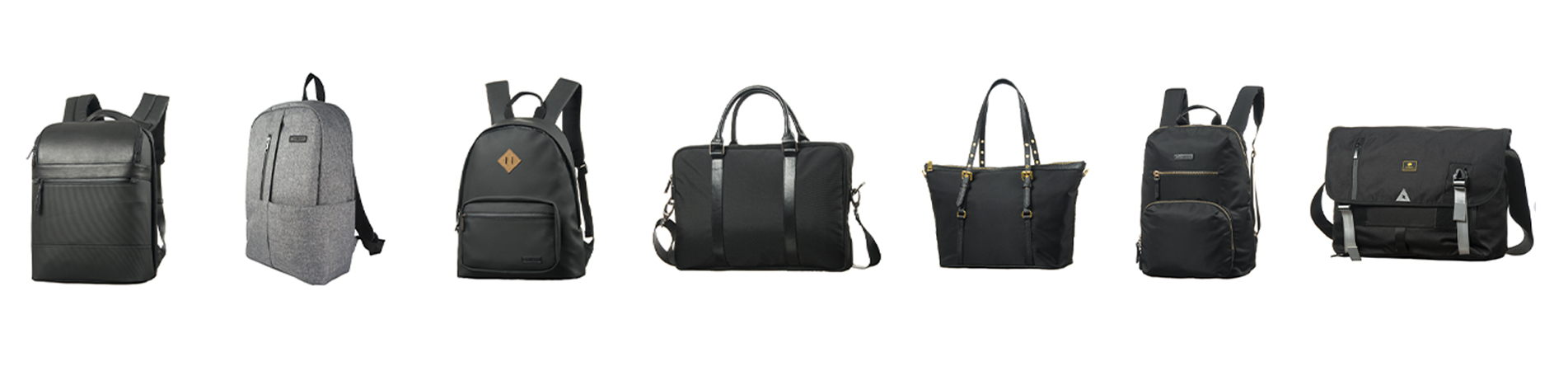
china backpack manufacturer
Home

Blog

Blog

  • How We Customized a Special Protective Backpack for Robots
    How We Customized a Special Protective Backpack for Robots Nov 18, 2025
    Introduction: It All Started with a Unique Challenge   In the world of bags, we often talk about protective cases for laptops, cameras, or everyday items. But when your “item” is a uniquely shaped, high-value robot, everything changes. Off-the-shelf bags simply can't provide the precise fit and reliable protection required, while any impact during transportation could lead to irreversible damage.   This was exactly the challenge one of our recent clients faced. They needed a custom-designed backpack for an advanced half-body robot. Before coming to us, they had spent 8 months approaching countless bag manufacturers but never found a solution that truly met their demand. For us, however, challenges like this are a reflection of what we’ve been solving for customers over the past 30 years - unique, complex, and highly specialized requirements.   Today, let's walk you through this real case and show how we transformed the client’s ideas and needs into a fully realized protective backpack.   Part 1: The Client’s Challenge   The client's robot consists of the head, neck, and upper torso - an irregular shape with a center of gravity completely different from conventional items. The robot itself weighs 5 kg, and with a laptop, cables, and other accessories, the total load reaches around 10 kg. The client required the backpack to meet the following criteria:   • Lightweight materials: The backpack must be water-resistant and as light as possible to ensure comfortable carrying.   • Size compliance: It cannot exceed airline cabin luggage dimensions so it can be taken onboard as carry-on luggage   • Full cushioning: External impact must be effectively absorbed without transferring force to the robot; once loaded, it must also withstand low-height drop tests.   • Precise fit: The interior structure must follow the robot’s contours to avoid pressure points, squeezing, or surface scratches.   • Accessory organization: A dedicated area is required to store accessories other than the robot, ensuring everything can be arranged neatly.   Clearly, no off-the-shelf packaging or bag solution could meet these requirements. The only viable path was a fully customized design.     Part 2: What approach did we take in tackling this task? Three Steps to Build the Robot’s Custom “Mobile Home”   Step 1: 3D Modeling & Validation   • 3D Modeling: To ensure a perfectly accurate fit, a 3D file of the robot was essential. Using an industrial-grade 3D printer, we produced a full 1:1 replica of the robot. This allowed our pattern makers to intuitively understand every curve, angle, and contour of the structure.   • Virtual Simulation: At the same time, our engineers conducted virtual assembly and stress simulations on the computer. This helped us anticipate possible issues during transportation and optimize the design from the very beginning.     Step 2: Building a “Structural Core” with Form and Function - Professional Mold Development   To achieve full protection, a custom-molded protective shell is essential. After completing the robot’s 3D model, we created a dedicated mold based on precise measurements. Using high-density flame-retardant PE foam and EVA foam, CNC cutting allowed us to sculpt perfectly matched cavities for the robot’s head, neck, and shoulders. The resulting shell contours seamlessly around the robot, with reinforced ribs added at key stress points - forming a truly custom “form-fitted inner cradle.”   Material Selection: We chose a dust-resistant, stain-resistant, and water-repellent nylon fabric, laminated with ultra-rigid EVA foam. This combination ensures that the protective shell offers outstanding compression resistance and impact absorption.     Step 3: Custom Compartments & Internal Organization   Once the robot is placed inside, its key areas are securely and gently wrapped, achieving zero movement during transport. The hard shell absorbs external impact, while the interior provides the refined, precision-level protection that truly matters.   To maintain this level of safety, accessories such as power cables, adapters, and other components must also have their own designated compartments. This not only keeps everything neatly organized but also prevents any possibility of friction or collision between accessories and the robot itself.   Part 3: Beyond This Case - A Panoramic View of Our Custom-Bag Capabilities   Designing a custom backpack for a half-body robot is only a glimpse of what we can do. We specialize in creating tailored carrying solutions for all types of special equipment. Over the decades, we have built custom bags for musical instruments such as guitar cover bags, wheeled hard-case bags for computers used by the visually impaired people, protective bags for cleaning machines, soft golf bags, medical equipment bags, and more, ensuring every product receives the most favorable protection.   Extensive Application of all kinds of bags From professional testing instruments, drones, and precision devices to medical equipment, film gear, and specialized tools, our custom solutions support a wide range of high-value and uniquely shaped bags customization.   Flexible Forms and Structures We provide designs in soft cases, hard-shell cases, and semi-hard-shell constructions. Options include telescopic handles, wheels, and diversified harness systems to suit different carrying scenarios.   Refined Interior Engineering Functional compartments, shock-absorbing padding, cable-management sections, and wet–dry separation layouts ensure that every item inside is stored securely and in perfect order.   Professional Branding Techniques We offer screen printing, various embroidery methods, laser engraving, patch labels, and a full range of logo applications that combine aesthetics with professional craftsmanship.   Rigorous Performance Standards Our bags can be engineered to meet IP67 waterproof & dustproof levels, anti-vibration requirements, drop protection, and other demanding environmental conditions - ensuring safety and reliability in any situation.   A well-designed bag is an “invisible guardian" - a silent protector throughout the entire lifecycle of your product, giving users complete peace of mind wherever they go.   Whether you need to protect a precision robot, a one-of-a-kind instrument, or equipment with a highly specialized form, we look forward to becoming your trusted partner in creating its custom “mobile home.”     Author        
  • How to Create the Perfect Custom Logo for Your Bags
    How to Create the Perfect Custom Logo for Your Bags Nov 12, 2025
    In custom bag design, the logo is not just a decoration, it is the core element of a brand’s identity. A well-fit logo not only enhances the product's visual recognition but also conveys the brand's values.   As the manufacturing processes continue to evolve, the ways to implement a custom bag logo have become increasingly diverse. This article will ultimately analyze the main types of custom bag logo techniques, from conventional methods to innovative technologies, helping brands choose the most relevant solution.   Part 1: Logo customized options for oxford fabric bags such as nylon backpacks, polyester duffel bags, travel bags, school bags, crossbody bags and so on.   1. Silk Screen Printing   Silk screen printing is one of the most classic and widely used logo production techniques. It works by transferring ink through a mesh screen template onto the surface of the fabric, creating patterns or text. Known for its vibrant colors and stable craftsmanship, it is one of the most frequently used printing methods in bag branding.   1) Basic Process • Screen Preparation: Create a screen plate based on the logo design, with each color requiring a separate screen. • Coloring: Evenly scrape the ink onto the fabric surface, allowing the ink to pass through the mesh to form the design. • Drying and Curing: Air dry the fabric to ensure the ink adheres firmly to the material. • Post-treatment: Check the print for completeness and color uniformity, making necessary repairs or adding a transparent gloss coat to protect the ink.   2) Advantages • Vibrant Colors and Strong Coverage: It achieves bold visual effects, with the logo clearly visible even from a distance. • Durability: The ink, once dried, adheres strongly to the fabric and is resistant to fading or peeling. • Applicability: Suitable for various flat or slightly curved materials. • Cost-Effective: It offers a high cost-performance ratio when producing large quantities, especially if the logo is solid or few colors only.   3) Disadvantages • Not Suitable for Complex Multi-color Designs: Each color requires a separate screen, which makes printing process pretty time consuming and costly. • Limited Detail Performance: Not ideal for high-precision designs, gradient colors, or photographic images. • Surface Smoothness Requirement: If the fabric texture is too rough or has strong contours, it may lead to uneven ink application or misprints.   4) Most Suitable Bag Materials and Applications Silk screen printing is especially suitable for materials with relatively smooth surfaces, such as nylon, polyester, cotton, canvas fabrics. • Nylon and Polyester Bags: Such as sports backpacks, travel bags, and student backpacks, where the print is clear, durable, and washable. • Canvas and Cotton Bags: Such as eco-friendly bags, shopping bags, and tote bags.   Silk screen printing is not recommended for use on genuine leather, PU leather, or fabrics with strong textures, as the ink may not adhere well, leading to fading or blurring.     2. Heat Transfer Printing   Heat transfer printing is a process that uses high temperature and pressure to transfer a design from a transfer film onto the fabric surface. It is known for its fine detail and rich colors, making it ideal for bags that require complex patterns or multi-color logos. Compared to silk screen printing, heat transfer printing can better reproduce visual effects like gradients and shadows, making it one of the most popular techniques in bag productions.   1) Basic Process • Print the Design: First, the logo design is printed onto a special transfer film (or transfer paper). • Positioning: The printed transfer film is carefully placed onto the fabric of the bag. • Heating and Pressing: Using a heat press machine, the ink is transferred onto the fabric at high temperatures (about 140°C to 180°C) and high pressure. • Peel Off the Film: After cooling, the film layer is peeled off, leaving the design firmly attached to the fabric.   2) Advantages • Fine Details and Strong Color Performance: It can achieve effects like gradients, shadows, and photo-quality images. • Suitable for Complex Designs: Multi-color logos can be completed in one step without repeated processes. • Smooth Surface and Soft Feel: The surface is smooth with no heavy feel, ideal for close-fitting or lightweight bags. • Flexible for Small-Batch Production: No screen plate is needed, making it suitable for sample development or small batch production.   3) Disadvantages • Limited Heat Resistance: If applied to fabrics that melt easily or deform under heat, the surface of fabric may be damaged. • Less Durability than Silk Screen Printing: Long-term friction may cause peeling or fading at the logo edges. • Higher Cost: The cost is higher than silk screen printing, especially for large size logos.   4) Suitable Bag Materials and Applications Heat transfer printing is ideal for materials that have moderate heat resistance and a smooth surface, such as nylon, polyester, T/C cotton, not suitable for plastic materials such as TPU, or PU-coated fabrics. • Cotton or Canvas Tote Bags: Vibrant colors and rich logo details create a strong visual impact. • Children's Backpacks: Large fabric areas can be printed with colorful patterns, creating a dynamic visual effect. • Recycled Fabrics and Eco-Friendly Products: The heat transfer process is clean and environmentally friendly, with no solvent residues, aligning well with sustainability principles.   Heat transfer printing is not recommended for use on genuine leather or linen-cotton canvas, as natural fibers absorb heat unevenly, which can cause the edges of the design to lift or lead to color discrepancies.     3. Embroidery Logo Technique   Embroidery is a logo customized method that offers a tactile, layered feel. It involves stitching patterns onto fabric using needles and threads, reflecting the brand’s fine craftsmanship while adding a handmade touch and a sense of luxury to the bag.   Aside from a few high-end custom bags that might retain hand embroidery, today most embroidery logos on bags are completed through Digital Embroidery and Computerized Embroidery. These techniques involve importing design files (e.g., DST, EMB formats) into automatic embroidery machines, achieving precise and efficient stitching, ensuring consistent stitch density, direction, and color, greatly enhancing production efficiency and product stability. Almost all types of embroidery techniques (such as flat embroidery, 3D embroidery, and appliqué) can be executed by computerized embroidery machines, making them widely adopted in mid-to-high-end custom bag manufacturing.   Digital Embroidery Digital embroidery uses digital image files to control the embroidery machine, allowing for high precision and consistency, especially suitable for complex logos and multi-color designs.   Computerized Embroidery The most common embroidery technique used in bag manufacturing. It uses programmed paths for stitching and color switching, enabling mass production with high fidelity in design output.   Hereunder, we display full types of embroidery logos and their related applications.   • Plain Embroidery This uses even and flat stitches to present the design, ideal for simple brand text or small logos. Common Applications: Oxford fabric bags.   • 3D Foam Embroidery Foam is added beneath the stitches, making the embroidered area rise, adding dimensionality and texture. Common Applications: Baseball caps, sports bags, trendy backpacks.   • Hollow 3D Embroidery Combines a 3D structure with a hollow effect, maintaining lightness while enhancing the spatial sense. Common Applications: Functional backpacks, bags with a bold personalized look.   • Appliqué Embroidery Embroidered fabric pieces are sewn onto the main materials, enhancing visual impact. Common Applications: Limited edition collaborations, retro-style designs.   • Loop/Terry Embroidery Uses looped threads to create a soft, velvety texture, providing a 3D and warm feel. Common Applications: Children's bags, fall/winter bags like puffy bags.   • Brush Embroidery Similar to loop embroidery, but with shorter, denser threads, it create a extremely tidy surface while short-haired brush from the side look. Common Applications: sports-enthusiasm bags.   • Cord/Tape Embroidery Uses ribbon-like threads to form designs, resulting in smooth, metallic-looking lines. Common Applications: High-end brand logos, elegant handbags, evening bags.   • Ribbon Embroidery Uses ribbons instead of threads to create 3D flower or ribbon effects. Common Applications: Women’s bags, fashion-forward designs with a strong craft taste.   • Sequin Embroidery Sequins are sewn onto the fabrics, creating a sparkling, glossy effect. Common Applications: Evening bags, children’s bags, festive designs.   • Bead Embroidery Beads or metal particles are added to the embroidery, providing a luxurious and intricate texture. Common Applications: Gift bags, Velvet pouches/cases   • Drawn-thread Embroidery Certain threads are removed and re-woven to create a fine, breathable texture. Common Applications: Linen bags, natural-style collections.   • Eyelet/Cut-out Embroidery Holes are punched and bordered to form a lacy, open pattern, creating a light, airy look. Common Applications: Summer bags, gypsy-style designs.   Summary: The charm of embroidered logos lies in their 3D texture, durability, and high recognition value. Different types of embroidery techniques can be flexibly combined with various fabrics, offering unique styles from casual to high-end collections.     4. Hot Stamping / Emboss / Deboss   Hot stamping and embossing are two logo techniques that conveys “texture" and craftsmanship onto bags. Rather than relying on color, these methods use heat and pressure to create raised or recessed effects on leather or leather-like materials, producing a subtle yet lasting brand mark.   1) Process Principles • Hot Stamping: This technique uses a heated metal tooling to press the logo onto the fabric surface at high temperature and pressure. Depending on whether foil is used, it can be divided into hot stamping (with color or metallic foil) and hot pressing (without foil, leaving only an imprint). • Embossing / Debossing: These methods use two molds (upper and lower) to apply pressure, creating either a raised (embossed) or recessed (debossed) effect on the material surface.   2) Main Process Steps • Create the Mold: A copper or brass mold is customized based on the logo design. • Position and Align: The mold is fixed onto the hot press machine and aligned with the bag’s logo area. • Heat and Apply Pressure: The mold is pressed onto the material at a set temperature (usually 100-150°C) for a few seconds, imprinting the logo texture onto the material's surface. • Cooling and Setting: After cooling, a permanent impression or hot stamp effect is formed.   3) Advantages of the Process • High-end Texture and Strong Recognition: The logo naturally blends with the leather surface, offering a subtle yet powerful aesthetic. • Excellent Durability: The logo will not fade, peel, or delaminate, maintaining a lasting brand mark. • Tactile Experience: Raised or recessed logos offer a rich, dimensional feel. • Ideal for High-end Products: Commonly used in business bags, briefcases, luxury handbags and more.   4) Disadvantage • Only Suitable for Specific Materials: The material must be thick and pliable, such as genuine leather or PU leather. • Not Suitable for Complex Designs or Small Text: Excessive detail may cause the design to blur due to uneven pressure distribution. • Limited Color Variations: Hot stamping and embossing primarily focus on the three-dimensional effect, with limited color representation. • Mold Costs: Each logo requires a custom mold, making small-batch production relatively costly.   5) Most Suitable Bag Materials and Applications Hot stamping and embossing are most commonly used on materials like genuine leather, PU leather, vegetable-tanned leather, and synthetic leather, which can form stable textures under heat and pressure without damaging the surface structure. • Business and High-end Bag Collections: Such as leather briefcases, folders, and business card holders, where the logo effect is simple and refined. • Brand Handbags and Wallets: Gold or silver hot stamped logos can enhance the luxurious feel, while debossed logos offer a more subtle elegance.   Important Reminder: This process is not suitable for fabrics such as nylon, canvas, or polyester, as these materials lack the necessary support to form clear impressions, and high temperatures may cause the material to melt or damage.     5. Rubber / Silicone / soft PVC / Epoxy Labels   Rubber, silicone, and epoxy labels are soft, three-dimensional, and colorful logo techniques made from soft plastic materials. These logos highlight the brand's playfulness and visual impact while offering water resistance, abrasion resistance, and safety features.   1) Production Process • Design and Molding: Create a mold based on the logo shape, which can be made from rubber, soft PVC, or silicone materials. • Injection Molding: Inject different colored soft rubber materials into the mold to form a multi-layered three-dimensional logo. • Epoxy Treatment (Optional): Apply a transparent epoxy or gel layer to the logo surface to make it smooth and shiny, adding more dimension (mainly for silicone/epoxy labels). • Cutting and Back Treatment: Cut the logo to the desired size and apply backing adhesive, sewing lines, or heat-press it onto the bag surface.   2) Advantages Vibrant Colors and Strong Three-dimensional Effect: Achieve multi-color combinations and embossed effects with noticeable visual impact. • Soft and Safe: The material is flexible, non-abrasive, and comfortable to the touch. • Waterproof and Wear-resistant: Suitable for outdoor or sports bags, maintaining clarity and visibility even after prolonged use. • Flexible Production: Can be customized in small batches, perfect for limited edition or personalized designs at affordable cost. • Versatile Application: Can be applied to the surface, straps, or accessories of bags with high design flexibility.   3) Disadvantage • Casual and Sporty Style: Not suitable for high-end luxury or business bags, as the visual style tends to be more youthful and casual. • Limited Detail Rendering: Fine lines or complex gradient patterns may not be accurately represented. • Limited High-Temperature Resistance: High temperatures may affect the transparency or flexibility of the epoxy layer (silicone/epoxy labels). • The logo surface get dust easily: Matte rubber or soft epoxy labels can attract dust and require regular cleaning.   4) Suitable Fabrics and Applications Rubber, silicone, and epoxy labels are basically suitable for all materials of bags, whether they are nylon, polyester, canvas, or leathers. Common application scenarios include • Sports Bags, Outdoor Backpacks, Hiking Bags: Waterproof and wear-resistant, with a three-dimensional logo emphasizing the brand's sporty style. • Travel Bags, Functional Bags: Bright colors, easily identifiable logos, and durability. • Accessory Products: Such as shoe bags, hat bags, and waist bags, enhancing visual recognition and decorative effect.   5) Extension Suggestions • If you want a crystal-clear and shiny logo, consider silicone/epoxy labels. • If durability, waterproofing, and color saturation are priorities, opt for rubber/PVC labels. • A combination of both can be used, for example: using a rubber label as the main logo with epoxy covering for added gloss and tactile appeal.     6. Metal Logo / Metal Nameplate   Metal logos and electroplated nameplates are the logo techniques that best convey a sense of luxury and brand prestige in bags. Both are based on metal materials, with logos created through engraving, stamping, embossing, or similar methods, followed by surface treatments to achieve different styles. While the basic process is similar, they differ slightly in terms of visual effect and application focus:   Metal Logo: Can be made with 3D embossing, raised impressions, or recessed designs. The color can be achieved through spray painting, filling, or electroplating. It is more decorative and three-dimensional, suitable for small logos, hardware accessories, or details on the bag.   Electroplated Nameplate: Typically made from metal sheets that are fully electroplated (with finishes such as bright gold, silver, gunmetal, etc.), offering a uniform glossy surface. This style is more refined and elegant, often used for main brand logos or nameplate identification.   1) Production Process • Design and Mold Creation: A custom metal mold is made based on the logo shape, size, and thickness. • Forming Process: The logo's outline is created through stamping, embossing, or etching. • Surface Treatment: The metal logo is finished with processes such as electroplating, sandblasting, polishing, brushing, or enamel filling to achieve the desired texture and color. • Fixing and Installation: The metal logo or nameplate is fixed to the bag surface using rivets, screws, or strong adhesives.   2) Advantages • High-end Texture: The metallic shine and three-dimensional effect highlight the brand’s premium quality. • Durability: Metal logos are resistant to wear, high temperatures, and maintain clear identification over time. • Versatile Design: They can achieve various colors, textures, and raised/recessed effects, catering to diverse brand styles. • Enhanced Brand Recognition: Particularly suitable for business bags, high-end handbags, limited edition items, and flagship brand collections.   3) Disadvantage • Higher Cost: Molding, production, and assembling costs are higher than woven labels, rubber tags, or embroidery. • Added Weight: Compared to lightweight logos, metal logos or nameplates can slightly increase the weight of the bag. • Assemble Requirements: Improper installation can damage the fabric or cause the logo to loosen.   Not Suitable for Soft, Thin Fabrics: For lightweight materials such as thin nylon or cotton, additional reinforcement is required for secure installation.   4) Suitable Fabrics and Application Scenarios Metal logos and electroplated nameplates are best suited for materials such as genuine leather, PU leather, synthetic leather, thick laminated nylon fabric, and heavy sturdy canvas. Common applications include • Business Briefcases and Laptop Bags: Enhancing a professional and sophisticated feel. • High-end Handbags and Limited Edition Bags: Uniform style with hardware accessories, boosting the luxurious feel. • Luggage / Travel Bags: Metal logos are durable and impact-resistant, keeping the logo clear over time. • Gift Bags and Brand Collaborations: Custom metal nameplates increase collectible and display value.   If the fabric is thin or soft, consider using a metal tag or metal puller to present the logo. This retains the metal feel while preserving the bag's structure.     7. Leather Patch / PU Patch   Leather patches are one of the most sophisticated and stylish ways to express a logo on bags. Made from genuine leather or synthetic leathers (such as PU, microfiber leather, etc.), leather patches combine brand logos with the texture of leather through processes such as hot stamping, embossing, laser engraving, and stitching, creating a natural and high-end visual effect.   1) Production Process • Material Selection and Cutting: Choose the appropriate leather material (top-grain leather, split leather, PU, vegetable-tanned leather, etc.) based on the design style, and cut it into the required shape. • Logo Creation: The logo is applied using techniques such as hot stamping, embossing, laser engraving, silk-screen printing, or metal patches according to customer specifications. • Coloring and Edge Sealing: Some leather patches are dyed and finished with oil to smooth the edges and enhance the color richness. • Stitching or Rivet Fixing: Leather patches are typically attached to the bag surface using stitching, rivets, or heat-sealed adhesive.   2) Advantages • High-End Texture: The natural grain and sheen of leather give the bag a strong brand character. • Multiple Techniques Available: Can combine hot stamping, laser engraving, metal inlays, and other logo techniques for unique expressions. • Durability: High-quality leather ensures that the logo remains clear and resistant to fading after embossing or hot stamping. • Enhances Overall Quality: Whether as a small decorative element or a large brand display, leather patches significantly elevate the product’s appeal.   3) Disadvantage • Not Washable: Genuine leather or some PU leathers may deform when exposed to water, making it unsuitable for bags that need frequent washing. • Temperature Sensitive: High temperatures can cause discoloration or hardening of the leather. • Higher Cost: Genuine leather, in particular, is more expensive and is primarily used in mid- to high-end bags. • Not Suitable for Too-Soft Fabrics: Leather patches are relatively thick and may affect the feel or cause local deformation if applied to lightweight fabrics.   4) Suitable Bag Materials and Applications Leather patches are compatible with a variety of fabrics but are best suited for thicker and supportive materials like canvas, cotton-linen blends, Oxford cloth, and leather. Common applications include: • Casual Canvas Bags / Collegiate Style Backpacks: Leather patches create a natural contrast with fabric, highlighting a rustic, earthy aesthetic. • Business Briefcases / Laptop Bags: Leather logos enhance the overall style, reinforcing brand recognition. • Genuine Leather Bags / PU Fashion Bags: Leather patches can match the color of the main leather or contrast with it, showcasing craftsmanship in details. • Travel Bags / Workwear-style Bags: Combined with heavy fabrics or waxed canvas, leather patches evoke a vintage and durable feel.   5) Extension Suggestions If you want to balance visual depth with environmental concerns, consider using vegan PU leather patches or recycled leather patches, which offer a high-end appearance along with a sustainable concept. Additionally, leather patches can be combined with metal plates, woven labels, or rubber tags to create a unique mixed-style, enhancing the brand recognition and design appeal of the bag.     8. Woven Label / Fabric Label   Woven labels or fabric labels are among the most classic and common forms of logo representation on bags. These labels are created by weaving yarn into text, patterns, or graphic logos. They are soft, delicate, and finely crafted, serving not only as brand identification elements but also as part of the decorative design.   1) Production Process • Logo Design and Layout: Based on the font, line thickness, and the number of colors, the appropriate weaving method (plain weave, satin weave, jacquard, etc.) is determined. • Weaving Process: Using a computerized jacquard loom or high-speed weaving machine, different colored yarns are interwoven to form the logo design. • Shaping and Cutting: After high-temperature shaping, the label is cut to the required size, and various edge treatments (heat-cut edges, border stitching, folded edges) can be applied. • Post-processing and Sewing: The label can be attached with backing adhesive or sewn onto the exterior, lining, shoulder straps, or interior tag areas of the bag. This technique emphasizes precision in lines and color layers, achieving a delicate brand representation effect.   2) Advantages • Exquisite and Durable: Since the logo is directly woven from yarn, it is resistant to fading, cracking, or peeling, making it suitable for long-term use. • Highly Adaptable: It can be sewn flexibly onto the bag's exterior, lining, or shoulder straps, making it suitable for a variety of design styles. • Soft to the Touch: It will not irritate the skin or affect the comfort of use, especially suitable for close-fitting or lightweight products. • Multiple Display Options: Available in matte, glossy, jacquard, satin, and other weaving methods, allowing for customization to match different brand aesthetics. • Cost-Effective: With low production costs and short lead times, woven labels are a commonly used and mature logo solution.   3) Disadvantage • Limited Layering: Only 2D designs can be represented; not suitable for three-dimensional or metallic textures. • Color Limitations: If the logo contains too many colors or gradient effects, it may be difficult to reproduce accurately. • Not Waterproof or Stain-Resistant: Exposure to humid or dirty environments may affect the colors. • Lightweight Texture: For bags that emphasize high-end or structured styles, the visual impact of woven labels may seem insufficient.   4) Suitable Bag Materials and Application Scenarios Woven labels or fabric labels are compatible with almost all bag materials, especially nylon, polyester, canvas, cotton-linen blends, and Oxford cloth. Common applications include: • Backpacks and Casual Bags: Often used for exterior brand labels, shoulder straps, pocket edges, etc., offering a clean and attractive look. • Laptop Bags / Briefcases: Black and white or low-saturation woven labels convey a professional and stable vibe. • Travel Bags / Sports Bags: Paired with rubber labels or heat transfer logos for added visual depth. • Interior Labels and Brand Tags: Used to display the brand name, product information, or manufacturing origin, combining functionality and decoration.   5) Extension Suggestions To add more three-dimensional or tactile effects to woven labels, consider the following variants: • High-Density Woven Labels: Higher yarn density and more refined patterns, commonly used by high-end brands. • Woven Badge: Thickened backing and edge stitching to enhance texture and support. • Fabric Label + Leather Patch Combination: Add a leather or rubber backing to the fabric label for a blend of softness and structure.   For brands promoting “eco-friendly” or “sustainable” concepts, recycled yarn labels (made from recycled PET or organic cotton yarns) can be used to align with environmental trends while maintaining a beautiful appearance.     Part 2: Logo customize solutions for fashion bags such as Handbags, Satchels, Evening Clutch Bags, Lady Tote Bags etc.   Compared to the various logo techniques commonly used for the functional bags above, the customization logos on fashion bags will have different focuses, more and more brands are adopting more visually-outstanding techniques to make the bags appealing at customers’ first sight. These unusual logo techniques not only enrich visual presentation but also bring more bold attempt into reality..   1. Hot Fix Rhinestone Logo   A hot fix rhinestone logo is a technique where diamonds, crystals, or pearls etc are fixed onto the fabric surface using high-temperature heat pressing. The rhinestones are attached to the material via a hot melt adhesive layer, creating a sparkling visual effect.   1) Production Process Arrange the rhinestones into the design → Use a heat press machine to apply heat → Melt adhesive layer to fix → Allow to cool and form a firm, shiny surface.   2) Advantages • Strong gloss and high visual impact. • Customizable through variations in rhinestone color, shape, and density. • Creates a high contrast effect when used with materials like leather and velvet.   3) Disadvantage • Not suitable for fabrics that experience strong friction or bending, as rhinestones may fall off. • Not recommended for waterproof fabrics or rough canvas bases. • Higher cost and longer production turnover time.   4) Suitable Bags Women's handbags, evening bags, makeup bags, gift box packaging, limited edition display items.     2. Direct-to-Fabric / Digital Print Logo   The direct-to-fabric printing process has become a highly popular innovative solution in recent years. It uses inkjet printing technology to directly print logo designs onto the surface of fabric without the need for screen printing or plates.   1) Process • Design Preparation: The client provides a logo or design file (usually in vector or high-resolution format). The printer adjusts colors and pattern size based on the fabric color and texture. • Fabric Pre-treatment: The fabric is cleaned and smoothed. Some fabrics may require a coating or primer to enhance the ink's adhesion. • Printing Setup: The print parameters, such as resolution, color management, and ink density, are set on the digital printing machine. The fabric is fixed onto the printing platform to ensure it doesn't shift during printing. • Digital Printing: The logo is directly printed onto the fabric surface using an inkjet printer. The machine can print gradient colors and complex designs without the need for a plate. • Post-treatment Fixation: After printing, the colors need to be fixed through heating or steam to improve durability. Some fabrics may also receive a protective coating.   2) Advantages • High-precision image and gradient color effects. • No need for plates, making the sampling process faster and budget friendly. • Ideal for complex patterns, small-batch customization, and multi-color designs.   3) Disadvantages • Requires high fabric smoothness for good outcome. • Not very durable under long-term friction or exposure to direct sunlight. • Printed colors may vary slightly across different fabric types.   4) Suitable Bags Prototypes, sampling of bags, exhibition samples displays.     3. Laser Engraving Logo   Laser engraving is a process that uses high-temperature laser beams to burn or etch the surface of leather or metal, creating a logo in the form of an engraving or color burn.   1) Process • Design Preparation: The client provides a logo file (usually in vector formats such as AI, SVG, or high-resolution images). The size, line thickness, and positioning of the pattern are adjusted based on the material’s color and texture. • Material Preparation: Select materials suitable for laser engraving, such as genuine leather, metal, wood, or EVA. Clean the surface to remove dust, oil, or moisture to ensure a clear engraving. • Laser Machine Settings: Adjust the laser power, speed, and focus to ensure the engraving depth is uniform without burning through the material. Import the design file into the laser engraving machine software, setting the engraving position and size. • Engraving Operation: The laser beam follows the preset path to burn or etch the material’s surface, creating an engraved or color-burned effect. This technique allows for precise details and sharp lines in the logo. • Post-processing: For leather materials, gently clean off any dust and apply protective oil or a gloss finish if needed. For metal materials, polishing or spraying a protective coating enhances texture and durability.   2) Advantages • Extremely high precision, excellent detail representation. • Fade-resistant, durable, and scratch-resistant. • Compatible with a variety of materials such as leather, metal, wood, and EVA.   3) Disadvantages • Not suitable for flexible fabric materials. • Color representation is limited by the material’s base color.   4) Suitable Bags Leather handbags, briefcases, luxury brands packaging bags.     4. 3D Printing Logo   3D printing logo is a cutting-edge technology that directly prints or attaches three-dimensional patterns onto bag materials. It offers a unique sense of technology and visual depth, making it ideal for high-end or trendy brands.   1) Basic Process • Design Preparation: The client provides the logo file (vector or high-resolution image), and the designer converts it into a 3D model using CAD or 3D software. The size, thickness, and structure of the logo are determined to ensure it is suitable for printing and can adhere to the target bag material. • Material and Printer Preparation: Choose the printing material based on the design (TPU, PLA, nylon, etc.). Prepare the 3D printer, adjusting the nozzle, temperature, and printing precision parameters. • Printing Operation: Import the 3D model into the printer software (slicing software) to generate the print path. The printer builds the logo layer by layer according to the path, creating a three-dimensional effect. If the logo needs to be attached to the fabric, it can be fixed with heat pressing or adhesive after printing. • Post-processing: After printing, remove supports, smooth, trim, or spray the surface to improve texture. Check the logo for flatness, thickness, and adhesion. • Installation and Inspection: Attach the 3D logo to the bag or sample (using adhesive, stitching, or heat pressing). Inspect the logo's position, firmness, and visual effect.   2) Advantages • Capable of achieving three-dimensional shapes that traditional methods cannot. • Supports a variety of materials (TPU, PLA, nylon, etc.). • Extremely futuristic with high brand recognition.   3) Disadvantages • Higher cost and longer production cycle. • Weak adhesion on soft or curved areas.   4) Suitable Bags Trendy collections, collaboration editions, display samples, high-end custom bags.     5. Sublimation Printing   Sublimation printing is a technique that uses high heat to directly vaporize the dye from a solid state and permeate the polyester fibers of the fabric. Unlike traditional screen printing or heat transfer that only stays on the surface, sublimation printing integrates the logo into the fabric, providing vibrant colors that are highly durable and resistant to wear and washing. It is one of the most commonly used logo techniques for sports, travel, and team custom bags.   1) Basic Process • Design & Setup Use professional design software (such as Adobe Illustrator or Photoshop) to create the logo design. Convert the design into CMYK color mode to ensure color accuracy. Select sublimation-specific printing inks and transfer paper. • Printing & Transfer Print the design onto special transfer paper using a sublimation printer. Place the printed transfer paper onto the fabric to be printed (usually white or light-colored polyester fabric). • Sublimation Heating Apply pressure at 180–200°C for 30–60 seconds. The solid dye vaporizes into a gaseous state and penetrates the polyester fibers. Since the dye vaporizes and enters the molecular layers of the fibers, the design becomes molecularly bonded with the fabric. • Cooling & Finishing Remove the transfer paper and allow the fabric to cool. The design stabilizes and bonds with the fabric without requiring any additional coating. The final logo results in a smooth, soft-to-the-touch print with a natural feel.   2) Advantages • Vibrant Colors & Rich Detail: The dye infiltrates the fibers, resulting in high color saturation, high-resolution, gradient, and photo-quality patterns. • Wear & Wash Resistance, High Color Fastness: As the dye bonds with the fabric, it will not fade or peel off from friction or washing, ensuring excellent color fastness. • Soft Hand Feel, No Raised Texture: The logo fuses with the fabric, unlike screen printing, which can create a heavy texture. It’s particularly suitable for flexible bags. • Environmentally Friendly: No PVC, rubber, or adhesive films are used, making the process more eco-friendly while not affecting the fabric's breathability.   3) Disadvantages • Material Restrictions: Only suitable for fabrics containing polyester fibers (e.g., polyester, nylon); it cannot be used on pure cotton, leather, or canvas. • Color Limitations: The dye is semi-transparent and must be printed on white or light-colored fabrics; it is not effective on dark-colored backgrounds. • Cost & Equipment Requirements: Requires a dedicated sublimation printer and heat press equipment, with precise temperature and pressure control. • Permanent Design: Once the design is sublimated into the fibers, it cannot be altered or covered.   4) Best Applications Best Fabrics: • Polyester • Nylon • Taffeta • Waterproof coated polyester fabric (with non-closed coating)   Not Recommended Fabrics: • Cotton • Canvas • Genuine leather or PU leather • TPU, EVA, or other non-fiber materials   Typical Bag Types: • Sports bags / Gym bags: Bright logo colors that complement the sporty style. • Custom team backpacks: For school events, sports tournaments, or corporate gifts. • Travel bags / Carry-on bags: Durable and lightweight. • Promotional giveaway bags: Ideal for bulk production and cost-effectiveness.     6. Other Innovative Techniques   In addition to the advanced techniques mentioned above, some brands are exploring new ways to present logos. These include: 1) Reflective Printing: This technique provides a reflective effect at night, commonly used on outdoor or sports series bags. 2) UV Digital Printing (UV Print Logo): Uses ultraviolet curing inks, allowing for the printing of full-color images on non-absorbent surfaces such as metal and leather. 3) Puff Printing: A process where the ink expands upon heating, creating a soft, three-dimensional effect.   These new techniques have expanded the possibilities for bag logos beyond traditional "flat printing," enabling multi-dimensional expressions that blend functionality, visual appeal, and brand identity.   To wrap up, from the sparkling rhinestones of hot-fix logos to the precision of laser engraving, from the three-dimensional structures of 3D printing to the accuracy of direct-to-fabric digital printing, these technologies not only enhance brand recognition but also open up more possibilities for visual communication.     Author        
  • How a Premium Bag Is Made
    How a Premium Bag Is Made Oct 30, 2025
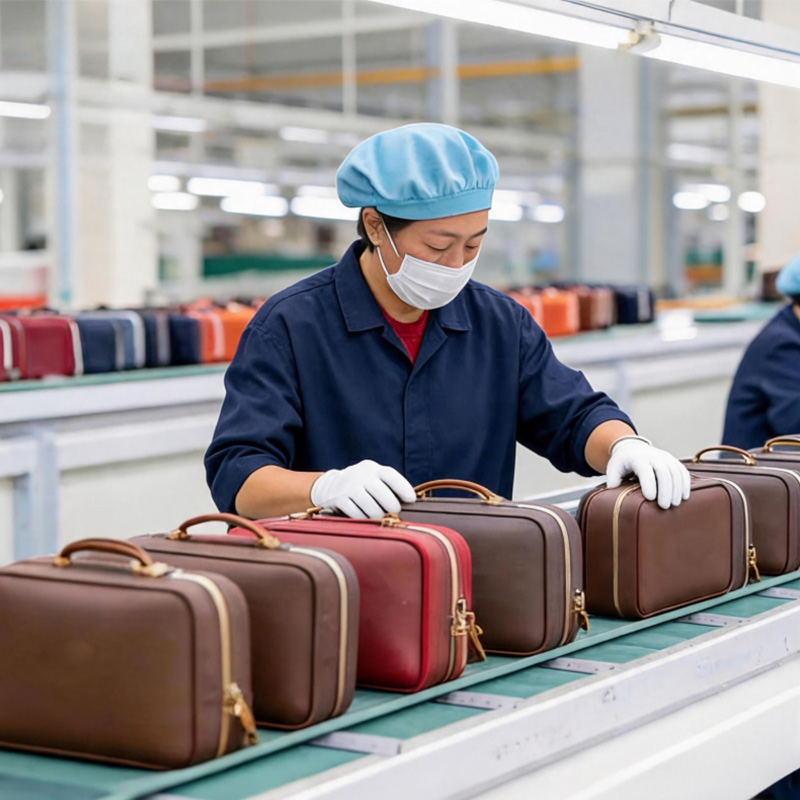
    A Deep Dive into Synberry Bag Cambodia Manufacturing Process   In today’s fast-changing global supply chain, finding a reliable and skilled bag manufacturer is more important than ever. As a procurement manager or brand owner, you need more than just a factory. You need a strategic partner who understands your brand identity, follows strict quality standards, and delivers on time.   This article takes you inside Synberry’s bag factory in Cambodia, where every material is carefully crafted step by step into a premium finished bag. Discover why top brands choose us as their trusted bag manufacturing partner.   1. Factory Overview: A Beyond-Ordinary Bag Manufacturing Facility   Synberry is a specialized bag manufacturer with years of experience in creating high-quality bags such as nylon backpacks, and leather handbags, PU tote bags, cosmetic pouches etc.   Our factory is located in Cambodia, staffed with 1600 hundred of skilled workers and equipped with Lean Production lines. With over 30 years of manufacturing experience, we provide a complete one-stop service that includes: • Product design • Sample development • Full testing  • Mass production • Quality inspection • Shipping and logistics support   Our stable production team and efficient process ensure that each order meets the highest quality standards. 2. Custom Materials and Product Options   We produce bags in a wide range of materials based on each client’s request. According to material classification, our primary products comprise the following three categories:   •  Nylon / Polyester Fabric Bags We use various oxford fabrics to make lightweight and durable bags, such as backpacks, duffel bags, shoulder bags, pouches etc. Each fabric is treated to be water-resistant, dust-resistant and abrasion-proof, making it ideal for daily use.   •  PU (Vegan Leather) Bags Our PU bags come in many colors and textures. They offer the perfect mix of style, durability, and cost-efficiency, while supporting eco-friendly and animal-free production.   •  Genuine Leather Bags For some premiums bags, we also use genuine leathers like top-grain cowhide leather or sheepskin leather to create elegant handbags with a smooth touch and a long-lasting, classic look. Each leather piece is carefully selected to highlight natural texture and beauty. 3. From Design to Finished Product   Every bag we make starts with an idea, whether it is a client’s preliminary design or one of our in-house templates, our designers and technicians work closely together to turn sketches and samples into functional, beautiful products. From leather handbags to nylon backpacks, each piece reflects our attention to detail and commitment to quality. Below, we take leather bags as an example to show how each step in our production process turns raw materials into a premium finished bag.   4. Detailed Production Process for Leather Bags   Leather bag production involves a series of meticulously executed steps, each one contributing to the bag’s final quality, durability, and beauty.    From carefully selecting the appropriate leather to precise cutting, skiving, stitching, edge finishing, and hardware fitting, every stage reflects the craftsmanship and dedication of our skilled artisans.   4.1 Incoming Materials – Code, Verify & Inspect   Upon arrival at our factory, all raw materials including main fabric, linings, hardware, and other accessories undergo a thorough inspection before being coded and logged into our material control system. Each batch receives a unique identification tag, allowing our production team to track every material through each stage of manufacturing, from initial storage to cutting, sewing, assembly, and final shipment.    This meticulous process ensures full traceability, quality consistency, and accountability across the entire production chain.   4.2 Incoming Materials – Quality Inspection   Our incoming quality control (IQC) team carefully inspects all incoming leather for thickness, surface imperfections, color consistency, etc. Ensuring that every material meets customer specifications. Only approved leather enters the production process, forming the foundation for premium leather bag manufacturing and OEM bag production.   This meticulous inspection process helps us deliver high-quality leather handbags and luxury bags that meet global brand standards and maintain consistent performance from sample to bulk production.     4.3 In-house Testing Before Cutting   Our factory is equipped with a full range of in-house testing machines. After the incoming materials pass visual inspection by the IQC team, sample pieces are first cut for internal testing which include tensile strength, color fastness, hardware abrasion resistance, water resistance, heavy metal testing and so on. Only when these tests meet the required standards do we proceed to the next cutting stage.    This process allows us to verify quality at an early stage and effectively reduce external lab testing costs and timing.   4.4 Cutting & Pre-material Preparation   Once the materials are approved, they are carefully transported to the cutting area. Skilled operators use die-cut or hot-cut machines or high-precision laser cutters to follow detailed patterns, ensuring each panel is cut accurately and consistently per relevant bag requirement.   Every panel including flaps, side panels, bottoms, and straps is prepared to exact dimensions, providing a perfect foundation for the subsequent assembly and stitching stages. Precision at this stage is critical, as it directly impacts the fit, structure, and overall quality of the finished bag.     4.5 Skiving & Edge-polishing   For premium leather bags, our skilled technicians carefully perform skiving and edge-thinning on both the leather and foam layers. This process ensures that folded edges and stitched seams lie perfectly flat, reducing bulk and enhancing the bag’s overall structural integrity.   Precise skiving is critical for bag durability and aesthetic quality, particularly on areas such as straps, flaps, and side panels, where clean edges and smooth folds contribute to the finished bag’s polished appearance. 4.6 Logo Stamping or Embossing   We treat brand marking as a crucial step in defining the identity of each bag. Using heat-press stamping, foil stamping, or debossing, our skilled technicians apply logos and brand names with meticulous attention to detail.   This process not only ensures clean, precise, and durable branding, but also highlights the craftsmanship that goes into every premium leather bag or other custom bag we produce. Properly executed branding enhances the bag’s aesthetics, elevates its luxury appeal, and strengthens the client’s brand recognition. 4.7 Adhesive Application & Lamination   Specialized machines precisely apply adhesive to the back of each leather panel, ensuring even coverage and optimal bonding strength. Skilled workers then carefully attach the leather to foam or lining boards, aligning every edge and corner to achieve the desired bag structure, firmness, and tactile feel.   This step is critical in leather bag manufacturing, as proper adhesion ensures the bag maintains its shape, durability, and overall quality throughout use. 4.8 Edge Binding (Semi-automatic)   Edge‐binding is performed using semi-automated equipment combined with skilled manual precision, allowing our technicians to carefully control tension, alignment, and edge finishing. This process ensures that all bag edges are smooth, neat, and consistent, preventing fraying or unevenness and contributing to the overall structural integrity and polished appearance of the finished product.   Proper edge-binding is essential in leather bag manufacturing, as it not only enhances durability but also improves the aesthetic appeal of flaps, straps, and side panels. 4.9 Position Hole Drilling & Line Pressing   Punching machines carefully drill positioning holes on leather panels to ensure precise alignment for subsequent stitching and assembly. At the same time, line press machines stamp reinforcement lines or decorative stitches, providing both structural strength and visual detailing.   This step is particularly critical for areas that bear stress, such as straps, handles, and flap edges, ensuring that designer shoulder bags and handbags maintain their shape and durability. 4.10 Hardware Punching & Edge-finishing   All hardware components, including buckles and D-rings etc, are precisely punched, aligned, and installed using specialized machine tools to ensure secure attachment and consistent placement. Besides, the leather edges undergo edge-finishing, where an oil-based treatment is carefully applied and allowed to cure. This process creates smooth, crisp, and refined edges that enhance both the durability and aesthetic appeal of the bag.   Attention to detail in hardware setting and edge-finishing is critical in leather bag manufacturing, as it directly impacts the structural integrity, longevity, and premium look of the finished product. 4.11 Label Making & Edge Finishing   Brand labels are separately produced with meticulous attention to detail. Each label undergoes a specialized edge-oil treatment that enhances durability while giving the edges a smooth, refined finish. After the oiling process, the labels are carefully dried under controlled conditions to ensure the finish remains flawless and consistent.    Following drying, each label is polished by hand to achieve a subtle sheen, highlighting the precision craftsmanship.  4.12 Sewing & Computerized Reinforcement Stitching   The panels then proceed to the sewing line. Skilled workers assemble the bag following workflow: attaching pockets, installing zippers, then stitching major panels.    Critical stress points (for example strap ends) are reinforced using computerized stitching machines, adding pattern stitching (such as cross-reinforcement) for improved durability. 4.13 Final Quality Inspection (FQC)   Before shipping, each finished bag undergoes a comprehensive, multi-step inspection process to ensure it meets the highest quality standards. The checks include visual inspection of overall appearance, verification of dimensional tolerances to ensure precise sizing, evaluation of stitching strength to confirm durability, testing of hardware components for secure attachment and long-lasting performance, and thorough assessment of finishing details such as edge treatments, polish, and surface uniformity. Any item that fails to meet the established standards is immediately flagged and returned to the production team for correction or rework.    This meticulous quality control process guarantees that every bag leaving the factory not only meets functional requirements but also embodies the premium look, feel, and craftsmanship expected by all clients and international markets. 4.14 In-house finished product testing   To ensure every bag meets international durability standards, we conduct additional performance tests upon request such as seam and stitch strength tests using tensile machines, and load-and-drop tests that simulate real-life use.    These rigorous checks guarantee that each product maintains its form and strength even under demanding conditions. 4.15 Needle Detector & Disinfection   For premium brands or children’s products, except all above standard processes, we added needle-detector machine and Ultraviolet sterilizer equipment as an extra process. These machines ensure that each bag is thoroughly inspected for any traces of metal debris, providing an added layer of safety and quality control.    In addition, the disinfection process guarantees that all bags remain hygienic, clean, and safe for end-users. This combination of meticulous inspection and hygiene measures reinforces our commitment to delivering premium, worry-free products. 4.16 Packing & Shipping   Once bags have passed all quality inspections and testing, each qualified item is carefully cleaned to remove any dust or particles, ensuring a pristine presentation. Depending on the material and brand requirements, bags are then placed into protective dust polybags or specially designed protection covers that prevent scratches and maintain shape during storage and transit.    Each bag is clearly labeled with SKU, color and other relevant details to ensure accurate identification and traceability before entering finished warehouse. The labeled bags are then systematically packed into sturdy cartons, which are marked with comprehensive shipping information, including client’s name, destination region, quantity etc. So any finished goods at our warehouse can be quickly tracked from our inventory control system.   Finally, the cartons are handed over to logistics partners for secure export, guaranteeing that every bag reaches its destination in perfect condition and upholds the premium quality and presentation expected by clients and end-users.     5. Conclusion: From Craftsmanship to Quality, We Deliver Trust   From raw material intake to packed and shipped goods, every step conveys our commitment to craftsmanship, reliability and partnership. We’re not just a professional bag manufacturing facility, we are strategic production partner behind your brand.   Whether you’re seeking a high-end luxury leather handbag, a budget-friendly PU cosmetic pouch, or a functional nylon / polyester backpack, we are ready to deliver solution-oriented, high-quality bag manufacturing. With our expanded capacity, enhanced facilities and proven production processes, we are poised to help you launch or scale your brand confidently.   We sincerely invite you to visit our Cambodia factory for an on-site audit. See firsthand how an idea is transformed into a tangible product of excellence. Let's collaborate to create the next market success story.     Author        
  • Can a garment bag be used as a carry-on baggage?
    Can a garment bag be used as a carry-on baggage? Nov 05, 2025
    The answer is yes if it’s a well-designed garment bag. This guide takes a closer look at this topic, offering practical tips for B2B garment buyers as well as regular travelers. Together let’s walks through airline rules and highlights the most important design features to think about.   1. A quick brief of Garment Bags   Modern garment bags: Early garment bags were more like basic cloth sleeves, but today’s travel products are far more than that. Modern garment bags can be foldable, soft-sided, or semi-hard-shell designs, the latter offering better protection. Some even add padded backpack straps or whisper-quiet skate wheels, the airport trek turns more into a glide.   2. Carry-on regulations   Airlines have clear rules regarding the size and weight of carry-on luggage to ensure that bags can be safely and efficiently stored in the overhead bins or under the seat in front. If the baggage exceeds these limits, travelers may be required to check it in. The following uses Delta Air Lines as an example to illustrate the specific regulations.  Delta Air Lines Carry-On Policy     Delta’s rule is straightforward: every passenger can board with one carry-on that fits the overhead compartment plus one personal item that slides under the seat in front of you. And the luggage size limit is 22 x 14 x 9 inches (56 x 35 x 23 cm), including all external parts such as wheels, handles, and straps.   3. The voice of travelers we heard   We believe that travelers’ feedback is always valuable and should serve as most important reference for product development and sourcing decisions. Success stories of soft-sided bags: Frequent business travelers consistently report that soft-sided bags — especially soft garment bags — offer the best experience. Even when packed with multiple suits, dresses, and accessories, these bags can be easily compressed to fit into overhead compartments. Convenience of foldable bags: Garment bags that can be folded into a compact rectangular shape are highly practical. They are particularly convenient for travelers with complex itineraries, as the bag can function both as a garment carrier and as a standard carry-on. Lessons from forced gate-checking: Cases of travelers being forced to check their bags serve as an important reminder. This is one of many insights we’ve learned from our customers. While premium travelers may occasionally receive exceptions, bag designs should minimize the risk of mandatory check-in. A user-centered design approach helps prevent these potential issues.   4. Features you need to consider for Airline-Friendly Garment Bags Design   To ensure market success and enhance users’ satisfaction, following features are what we strongly recommend when designing garment bags that comply with Airlines’ carry-on specifications. Flexibility is top first key: Soft-sided or foldable garment bags are more adaptable and easier to fit into overhead bins — an important advantage when flights are full.   Compact and Intelligent Folding Structure Adopt an efficient bi-fold or tri-fold design that prevents sharp creases on formalwear while staying strictly within carry-on size limits. Avoid overly rigid designs: While hard-shell or oversized bags may offer better protection, they are also more likely to be checked in. The checked baggage process provides less protection and can lead to unnecessary trouble.   Strategic Material Selection Choose lightweight and highly durable materials—such as high-density nylon—that are soft and compressible for easy cabin storage yet strong enough to offer reliable protection.   Ergonomic Carrying System Offer multiple carrying options, including a top handle, detachable shoulder strap, and even hidden backpack straps, to meet the needs of travelers of different heights, strengths.   Optimized Internal Organization Add smart parts such as grippy hanger loops that keep suits from sliding, airy shoe pockets that isolate odors, and see-through toiletry sleeves that glide through TSA--so “perfectly organized” is something travelers can actually feel..    Long-Lasting Strength Standards Reinforce-stitch all load-bearing seams, fit YKK or SBS zippers, stands up to endless flights and hotel hops without falling apart.   Style & Identity  Keep the silhouette clean and use fabric colors such as navy blue, jet black, charcoal gray. Add the logo with quiet luxury: a glint of foil, a blind emboss, or a micro-woven label so the bag whispers “executive” before you even open it. Remember aircraft difference: Delta Connection’s CRJ-900s and E-175s swallow far less overhead space than a wide-body A330. A garment bag that glides into an Airbus bin may be gate-checked on the regional leg—factor this into any multi-stop business itinerary. For clients commissioning a custom garment bag, nailing these finer points turns a simple utility piece into an unforgettable brand moment.   5. As garment bag OEM and ODM factory, 2025 Three Trends we see:   As an OEM/ODM factory that lives and breathes garment bags, we see three clear winners for 2025 private-label programs   1)Foldable Nylon Garment Bag The new-gen business traveler wants zero bulk and full carry-on compliance. We build this from 420D scratch-proof nylon with a tri-fold skeleton that collapses to brief-case height. Inside: padded suit sleeve, shirt divider, vented shoe tunnel, and a quick-scan toiletries flap. Outside: full-surface branding zone for company pattern, logos, or sublimated prints—perfect for executive gifting or bulk staff-issue kits.   2). Premium PU Leather Business Garment Bag Wrapped in elegant PU leather with a soft, anti-abrasion lining, this bag combines reinforced leather handles with a detachable shoulder strap for a refined look. Multiple compartments meet the needs of senior executives. Both colors and hardware can be fully customized to reflect a premium brand image.   3). Transit Hybrid Carry-On Garment Travel Bag The fastest-growing SKU is the shape-shifter, a versatile two-in-one design that easily transitions between a structured garment bag and a spacious travel duffel ---perfect for itineraries that blend formal and casual occasions. Ideal for VIP customers, or high-end incentive gifting programs.   6. Packing Tips for Travelers   Once your perfectly-designed garment bag is in hand, here are a handful of packing tricks that will make the journey noticeably smoother.   Hang suits freely Use the included garment sleeve to hang suits and dresses, ensuring clothes hang naturally and avoid wrinkles caused by pressure from other items.   Roll small items Soft items such as ties, belts, socks, and underwear can be tightly rolled to save space and prevent creases.   Position shoes carefully Place shoes in dedicated sealed compartments or shoe bags to avoid soiling clothes, and put them at the bottom of the bag to stabilize the overall structure.   Distribute weight evenly Balanced weight reduces stress on seams and improves carrying comfort, especially during long walks through large airports.   Make full use of storage pockets Keep jewelry, chargers, cables, and other small items in zippered compartments to prevent movement during travel and protect delicate clothing.   Establish pre-trip routines Try to pack the night before to reduce morning stress and allow ample time for careful organization.   Prepare for changing climates When traveling to regions with variable weather, add removable linings or moisture-proof compartments to accommodate raincoats or thicker outerwear. By combining thoughtful design with these packing methods, travel becomes much less-concerned.   7. FAQ for Garment Bag Customize    Q1: Since garment bags are flexible, do soft-sided designs allow travelers to exceed standard carry-on size? A: Delta gate agents have final discretion and may require oversized bags to be checked. To ensure compliance and customer satisfaction, bags should conform to the standard 22 x 14 x 9 inch dimensions.   Q2: What are the limits of branding customizations provided by Synberry Bag?   A: Our branding is 'fully customizable' meaning all elements of the bag are applicable for your branding. You can choose the type of logo application: embroidery, debossing and silkscreen printing. You can also choose custom colors for the fabric, hardware, and buckles. You can also design the bag with custom zippers, pulls and unique interior layouts.   Q3: Why are foldable bags generally better than rigid bags for travel by air from a practical perspective?  A: Carrying foldable bags is more practical because they are easier to compress and thus more suitable to irregular spaces in overhead bins, can be laid flat on top of other luggage more conveniently, and are generally more lightweight, which is a benefit for travelers trying to avoid excess luggage fees.    Q4: How can business customers take a more strategic approach to selecting the right profile of bags for their customers?  A: User profiling should drive the decision. For maximum versatility, the Hybrid Garment Duffel is the best choice for frequent multi-day travelers. Executives that need to make a stylish statement will appreciate the PU Leather option. For the general workforce or more affordable gifts, the Foldable Nylon bag is the best combination of function and value.     Q5: Is Synberry Bag able to accept requests for the use of more environmentally sustainable materials?   A: Yes! As one of the leading travel gear makers, we are proud to offer and meet the demands of customers on the use more eco-friendly materials, including RPET, bio-based PU leather, and other sustainable lined materials. All of these options will maintain the quality and performance of the gear.   Q6: What quality control measures does Synberry Bag implement to ensure product longevity? A: Each production batch goes through quality control inspections at multiple points. This entails checking stitch density and strength and performing zipper cycle tests, checking handles and strap load capacity, verifying skin material for color fading, checking water resistance, and ensuring every bag is fit to pass our standards for durable corporate use.     When Synberry collaborates with corporate clients to develop customized garment bags, multiple design elements are carefully considered, each precisely targeted at the end user and transformed into efficient, innovative, and practical solutions. As an experienced OEM and ODM manufacturer, we consistently exceed client expectations through function-driven design, convenient user experience, strict compliance with all Airlines carry-on standards, worry-free customization services, and outstanding industry insights.   Author        
  • The Ultimate Guide To 46 Different Types Of Bags (The Most Iconic Bags In History)
    The Ultimate Guide To 46 Different Types Of Bags (The Most Iconic Bags In History) Sep 29, 2025
    Bags supplement functionalism to our lives. They do more than just haul our stuff from point to point: an expression of style, an extension of identity, a tool of convenience. Bags for school, work, travel, work and special occasions — there is a bag for every lifestyle.   Here are 46 types of bags including all their alternate names, in full. From everyday styles such as backpacks and totes, to niche categories including delivery bags or pet carriers, we will explore the features, functions, and trends in all manner of carry options. When you finish, you will have a greater idea of how diverse the neighboring globe of bags is by nation, and when to put together any particular bag.   Daily & Fashion Bags Backpack A backpack is a bag, with two straps, that is carried on the back. Fantastic storage for the students, businesspeople, and travelers alike! The backpacks of today have compartments for laptops, books, and water bottles, and even include secret anti-theft compartments in some cases.  They can be created with canvas, polyester, leather, or even up-cycled textiles. They are easy to wear and they minimize stress on the back and shoulders. They offer tech-friendly touches (padded straps and USB charging ports, anyone?) They are practical and great for school, commuting, hiking, or city life.   Tote Bag One Tote Bags – Many of these are large tote bags with an open top and two parallel handles. These tote bags are so basic, yet reliable and versatile for grocery shopping, going to work, or hanging out. Tote bags are easy to use; they typically have a wide opening to facilitate easy loading and unloading. Tote bags are often made of canvas, cotton, or recycled polyester, and are a popular reusable, more sustainable option for single-use plastic bags. A laptop, groceries, or gym gear… versatile. Even totes are personalized with logos, which become good promotional tools for businesses. Handbag Handbags combine fashion with functionality. They were traditionally a garment for women but found unisex shapes in modern designs. They come in all sizes, shapes and styles—from small casual day bags to larger ones for files and other work essentials.  Utility is important but using a handbag is also part of the style. Can be suitable either for a business attire depending on its material, whether leather or synthetic, or can be worn on a casual basis with eco-friendly fabrics. Handbags have become one of the most recognized kinds of bag throughout the world because of their versatility.   Shoulder Bag A shoulder bag has a single long strap that is worn on the shoulder. They're good looking and practical, and they're available in good, medium, and large sizes. These are loved for their accessible nature, because you can put them on your body and immediately reach for what you need. They often have adjustable straps, compartments, and are made of different materials. Shoulder Bags are THE accessory for being able to carry your daily essentials.   Crossbody Bag Crossbody bags are designed to be worn with a long strap that goes across the body. They help maintain convenience and free your hands from the risk. They are used all the time in cities, while traveling, and at home. They usually feature pockets for the phone, wallet and keys. Many include RFID-blocking technology for extra protection. Crossbody bags come in stylish leather silhouettes or trendy nylon styles, which are becoming ever more ubiquitous.   Sling Bag Sling bags are roomy bags that are worn across the chest or back where a rear-facing sling bag is smaller and lighter. They're small enough to fit small items like a wallet or glasses. Popular with the younger set, sling bags complement streetwear and the great outdoors. Combine portability with style and they are the perfect option.   Satchel A satchel is a rectangular bag, usually with a flat bottom, made from soft leather or fabric, and the flap is one piece of material that folds over the top of the bag with buckle or strap closure, often with a crossbody strap. Originally for students, modern iterations are made for work and school, and everyday needs as well.  The square design helps organization with places for laptops or books. They are typically leather / faux leather hybrid between formal and casual.   Hobo Bag Boho-fabulous crescent, slouchy hobo bags are trending too. Usually sewn from soft fabrics, it gives a relaxed and calm effect. The users will find a lot of space in it, so they will be an ideal option for day-to-day activity. Hobo bags are considered casual or bohemian and are stylish, comfy and easy to wear from day to night.   Bucket Bag Bucket bags have a drawstring opening up top. They offer a creative way to store larger items whilst being practical and stylish, compact but deep. Many contemporary bucket bags come with a crossbody strap as well. They are also designed in a way to cater to casual as well as semi-formal wear.   Clutch A clutch is a small purse designed to be carried in the hand or held against the body, typically worn for formal events. They typically have room for the essentials — keys, phone, and other cards. Clutches are tiny, but made of silk, satin, leather, tenant, and sequins. Modern-day clutches come with a removable strap allowing you to wear it as a shoulder/crossbody bag as well.   Wristlet These are small bags with a short strap to put over your wrist. They allow space for things that you need like money, cards, and phones. Called the darling of the carry-on set, they can also be used as secondary bags, ones that nestle within bulkier totes or purses.   Mini Bag Mini bags are miniature purses, where you'll only have space for a telephone, wallet or keys, more. While they don't necessarily serve a functional purpose, they are stylish, adding a cute and fashionable touch for users who fancy themselves as a bit of a trendsetter.   Belt Bag (Fanny Pack) Belt bags are small pouches that strap around the waist or across the chest. Long gone in the fast fashion days, but now back as a streetwear staple. Belt bags today, however, are usually constructed from tough synthetic fabric. These bags combine functionality and style—ideal for sports, festivals, and travel.   Messenger Bag Messenger Bag: Rectangular with a large flap and crossbody strap. They were originally made for couriers, but are now favored by the professionals and students. Large enough to carry laptops, notebooks, etc., and files they are often used as urban fashion accessories in both business and casual attire.   Work & Study Bags Briefcase Briefcase: A hard-sided rectangular bag for business. Equipped with handles, spaces, and even some with locks. While briefcases were once used nearly exclusively for papers, many of them now also have padded sections inside, specifically for computers and tablets. They continue to be icons of professionalism and orderliness.   Laptop Bag Laptop bags are padded envelopes intended for laptops and other accessories and are usually designed with additional slots for chargers, notebooks, pens, etc. Styles consist of backpacks, shoulder bags, and sleeves. They're great for office workers and travelers alike because of the slim profiles and water-resistant fabrics.   School Bag School bags are made of superior quality and comfortable. Usually the bags are backpacks that accommodate books, stationery, and lunch bags. Bags for younger students include fun designs and prints, while bags for older students might include laptop sleeves, and ergonomic padding.   Portfolio Bag Portfolio bags, on the other hand, consist of slim document carriers for items like resumes, presentations, or documents in general. This is seen in meetings and interviews where they focus more on organization than on handling documents. They come in real leather, faux leather or sturdy fabrics, and are a great practical tool for professionals.   Document Bag Document bags are bigger in size than portfolios, come with zippers, handles, and several compartments. They are used by teachers, office workers and businesspeople to store files, folders and digital devices.  Ideal for pro users, they are light and give you room to breathe.   Teacher Bag Teacher bags are a place to stow books, lesson plans, personal items. They are bigger than a usual purse but still provide enough space to carry around your daily essentials.  They are generally made from light, yet sturdy material, therefore making them strong and convenient for everyday wear-and-tear.   Travel & Sports Bags Duffle Bag Duffle bags are cylindrical, soft-sided bags equipped with top handles and typically an included shoulder strap. Ideal for gym, travel, and sport, they are quite versatile. Cavernous insides can fit clothes and equipment. Others have compartments for shoes, waterproof linings, or wheels.   Weekender Bag Weekender bags are a little smaller than duffle bags, they're for overnights or long weekends. They are both aesthetically pleasing and useful at the same time, making them appealing to business and leisure travelers. They have ample room for clothing, footwear, and accessories while looking more fashionable than conventional luggage.   Suitcase Suitcases → rolling bags (for longer trips). Whether it's hard-shell or soft-sided, they help provide organization, and you have space too. Most feature expandability, TSA-friendly locks, and spinner wheels. Suitcases remain travel staples today.   Wheeled Backpack The easiest way to combine the best of both worlds of backpacks and rolling luggage are rolling backpacks. Ideal for students and travel, they can be carried or rolled as well. This generation of hybrid design adds versatility for heavy bags.   Travel Tote Travel totes are simply larger, sturdier varieties of standard totes. And frequently a carry-on, that holds gadgets, treats, and other travel necessities. They come with trolley sleeves to attach to rolling suitcases.   Garment Bag A garment bag is long, usually foldable, easy-carry bag meant to hold your suit, dress, or formal wear wrinkle-free. Some even offer stowage for shoes or other accessories, making them wise choices for business travel.   Gym Bag Gym bags are light and practical bags for carrying exercise clothes, shoes, and accessories. They usually include a vent compartment for clean and dirty stuff, made of durable nylon or polyester.   Yoga Mat Bag Cylindrical bags designed to contain your rolled yoga mat. Most have pockets to hold water bottles, towels, or straps. Usually made from breathable fabrics, these packs are light, portable and built to minimize weight.   Hiking Backpack Hiking backpacks are rugged, comfortable, and roomy. These include padded straps, hydration systems, and water-resistant fabrics. Most models have removable frames, which work great for long hikes and camping trips.   Camera Bag Camera bags contain padding and dividers to keep cameras, lenses, and accessories safe and secure. Common for traveling photographers, usually waterproof and have compartments tailor-made for them.   Dry Bag (Waterproof Bag) Dry bags consist of waterproof materials such as PVC or coated nylon with taped seams to keep everything inside dry while you're out on the water. A hit with kayakers, rafters, and beach bums, they keep the water and sand out of your way.   Lifestyle & Specialty Bags Diaper Bag Diaper bags are spacious and laden with pockets to carry all that one needs for a baby. Most of them are designed with insulated bottle holders and changing mats to help parents handle baby care easily.   Lunch Bag Lunch bags are insulated carriers used to keep food fresh either at school, home, or at an outside event. They come in sizes ranging from small pouches to large, multi-pocket styles.   Cosmetic Bag / Makeup Bag Cosmetic bags are small pouches to store makeup and toiletries. There are multiple sizes, some of them waterproof and with multiple compartments to better organize everything you need.   Toiletry Bag A dopp kit (or toiletry bag) is a small bag for grooming items, such as a razor, toothbrush, and other toiletries and skincare products. They are small, but large enough to suffice and a travel must.   Laundry Bag Laundry bags or hamper bags are used to put dirty clothes in. These are usually mesh or fabric, making them light and portable; used by schoolchildren, travelers, and those who frequent the gym.   Storage Bag Storage bags take the clutter (and visual noise) out of seasonal or household items. They are generally made out of fabric or plastic with zipper closures that help utilize space in small houses.   Shopping Bag (Reusable Bag) Is an environmentally friendly re-usable shopping bag to replace plastic bags. They are strong, provide collapsible options, and terrific for groceries. Every business uses branded reusable bags at some point of time or the other.   Drawstring Bag These drawstring bags are fashionable and casual, with a quality pull-tie closure. They're inexpensive, easy to come by, and perfect for sports, promotions, or even casual wear.   Beach Bag Beach bags are big, durable, and usually water-repellent. Many are built for towels, sunscreen, swimwear, and snacks bearing sand-resistant fabric and mesh breathable materials.   Picnic Bag Picnic bags contain insulated compartments for food and beverage. Others feature integrated coolers or detachable containers — perfect for al fresco meals.   Tool Bag There are several pockets in a tool bag for tools such as wrenches and hammers, etc. They are generally made out of durable materials such as heavy-duty fabric or leather that can hold up to the wear and tear of day-to-day use.   Cooler Bag They do have insulating lining so you'll want it to keep your food and drinks cold. Perfect for camping, grilling and road trips, they are heavy-duty, waterproof and feature sturdy handles.   Foldable Bag Foldable bags are light-weight and take very little space by folding into a 5×10 cm pouch. They are also popular with eco-conscious consumers because they are convenient.   Delivery Bag Delivery bags are insulated bags used by couriers and food delivery workers. Designed for heavy use and all sorts of weather, they hold food hot or cold while it is being transported.   Pet Carrier Bag A pet carrier bag is a more secure way of carrying around animals with you. They are an essential item for pet lovers and come with ventilation, padding, and space to securely fasten a closure.   Conclusion The types of bags represent human life and activity. General-purpose bags such as backpacks and totes that you use for everyday to more specific bags such as delivery and pet carrier bags. Knowing these types helps consumers & designers choose wisely regarding functionality, fashion, and convenience. Bags are not only to hold objects but a convenience, an expression, and an innovation in its own. As sustainability, personalization, and versatility become more important, the future of bags is sure to bring even more exciting developments. It doesn't matter what your lifestyle or business is, there's a bag type for every occasion.   Author        
  • Color-Changing Bags: How UV Photochromic Printing Transforms Everyday Style
    Color-Changing Bags: How UV Photochromic Printing Transforms Everyday Style Sep 02, 2025
    UV Photochromic Printing: a new printing option for bags UV photochromic printing is a special printing method which applies Sunlight or UV (ultraviolet) light properties to realize color change effect of printed matters.   Principle of Photochromic Color Change Ultraviolet light is invisible light in the violet range of the spectrum in the electromagnetic spectrum. The key point of UV photochromic printing is the application of special photochromic inks. Such inks include photochromic materials which have chemical reaction capabilities. Under the effect of the ultraviolet ray, the molecular structure of the photochromic matter in the ink varies so that a color change is achieved.   After printing photochromic ink, it needs to be coated with UV after printing, but the printing process is the same as that of ordinary ink. During the curing process, the ultraviolet light emitted by the UV lamp activates the photochromic substances in the ink, priming them for a color change. Once the printed material is later exposed to natural sunlight or a specific ultraviolet light source, the color-changing effect appears.    Because of photochromic color principle (the rate of discoloration will also change depending on the environment that the product is used.) Factors including light, application environment etc. may have a direct effect on life span depending on the product being used.   Application environment: Photochromic substances are easily oxidized by oxygen in the air. The photochromic material which has resistivity to the oxidation is effective to maintain the performance for a long time. Special processed or antioxidative type of photochromic ink has longer life than a regular ink. The life of the photochromic content is also influenced by temperature and humidity. Chemical reactions are accelerated by high temperatures and high humidity that cause the colouring of the photochromic materials to age. For example, the duration of stability of the photochromic materials may be shorter in humid tropical zones as compred to dry moderate zones.   Light Intensity: High intensity of ultraviolet light, the photochromic chemicals reaction speed is faster, the chemical process will more quickly, and aging of photochromic lens. For instance, when exposed to the natural sunlight, sometimes the service life of photochromic materials is very short. Their life span is relatively long since they are in the indoor environment with lower light intensity.   Usage Frequency: Usage frequency is the frequency with which the photochromic materials are actuated (ie, exposed to the ultraviolet or particular light source) in a given period of time. The photochromic materials are gradually damaged by the exposure of UV. Any single exposure results in some tiny alteration in molecular structure, and these miniscule changes add up over time and can be observed as deterioration in performance. The service life of photochromatic materials is extremely short at high frequency of use. One example of this is that a product which is used ten times per day with UV exposure, may have a photochromic life of a few months, while a product used once a day may last 1-2 years.   When this special principle of photosensitive color change is applied to photochromic printing technology, the application prospect is very broad. More directly, it introduces a new visual experience and surprises to bags, fashion and creativity and brings new visual effects to the product. For instance, patterns printed with UV photochromic inks on T-shirts, tote bags, backpacks, phone cases and other items can change their color under sunlight, which makes the product more fun and attractive. It is to be noted that the color switch effect is adjustable and difficult to be replicated by others, so it is very reliable to product anti-counterfeiting. As long as it continues to develop technologically, and becomes cheaper to use, it is just going to spread into more areas.   Special note at the end, it should be noted that this printing process has to be done in particular conditions e.g. not to be disturbed by natural light etc. Proper drying temperature and drying time can avoid damages of the photochromic substances during printing, which contributes to the effect of color change to be precise and stable. Similar premature aging of the photochromic substances can occur when the drying condition is such that the drying temperature is unduly high or the drying time is unduly long.     Author        
  • 2025 Top 10 Tote Bag Manufacturers in the world
    2025 Top 10 Tote Bag Manufacturers in the world Aug 28, 2025
    Introduction   Recent years have witnessed remarkable growth in the global tote bag market due to the increasing adoption of eco-friendly initiatives, a shift in consumer lifestyle, and a greater demand for stylish and functional bags. The tote bag has undergone a significant transformation - from a simple accessory for groceries and shopping to a versatile product used in fashion, corporate branding, retail promotions, and eco-friendly campaigns. Businesses looking to source tote bags face a persistent challenge of lacking knowledge about the industry’s top manufacturers, their production capacities and available materials, as well as regional advantages.     This whitepaper analyzes ten of the most well-known tote bag manufacturers around the globe. The selection criteria are based on production capacity, industry leave of quality certifications, sustainability practices, global reach, and overall reputation. The goal of the report is to present the information in an unbiased, analytical manner, without any promotional bias.       Methodology   To ensure selection reliability and objectivity, the following criteria were set:   Global presence and export capabilities: Serving multiple international markets.   Certifications and compliance: Verification of ISO, GOTS, OEKO-TEX, Sedex, or BSCI.   Production capabilities: Volume, variety, and complexity of tote bag styles, materials, and designs.   Sustainability practices: Adoption of recycled, organic, or eco-friendly materials.   Industry reputation: Verified client references, participation in trade directories, and presence in global trade fairs. This methodology guarantees that the manufacturers listed have genuine credibility and are representative of the global tote bag industry.   Top 10 Tote Bag Manufacturers   1.Bagmasters (USA) Bagmasters has been in business since 1980 one of the original promotional tote bag companies. They distribute cotton, canvas and polyester bags to universities, non-profits and corporate clients throughout North America. They're a trusty Go To bird for run of the mill types of promotion because of their large variety of products and the option to order them in quantities. Also they have decades of experience and preexisting distribution networks to the company’s advantage. However, since the company is headquartered in North America, international shipping and customizations kept to one of a kind are typically inflexible. website: https://bagmasters.com/   2.ToteBagFactory (USA) ToteBagFactory specializes in selling and distributing reusable bags. With inventory on hand to fulfill most orders, product customization through screen-printing or embroidery is available on most of their products. Their relationships with established vendors has enabled them to be trusted for big-turnout orders, as well. Nonetheless, for brands with an ample range of classic styles, those trying to get a little bit trendy, or that have a more upscale point of view, the options may be disappointing. website: https://totebagfactory.com/   3.Enviro-Tote (USA) Enviro-Tote specializes in environmentally friendly, animal-conscious tote bags that are made from organic cotton and from recycled materials. Their certifications through OEKO-TEX and other similar standards is a testament to the company’s priototy of enviromental friendly processes. They also function as clients for universities and NGOs and sustainability-focused brands. Their green competitors have a more limited range of colours and patterns than some of the larger commercial competitors. website: https://totebagfactory.com/   4.Acme Made (USA) based Acme Made.Our roots are in the heart of the city that is if the heart had roots. They produce a line of totes for running errands, commuting with technology and travel, and also does work for hire for third parties. Acme Made products are sold in retail stores, online, and by and large, through wholesale, and have won acclaim for their style and quality. Because they deliver in the high design space, bulk-budgeted buyers might have difficulty reconciling expense against return-on-investment and procurement-to-sales alignment. website: https://www.airtexgroup.com/   5.Supreme Creations (UK/India) Supreme Creations is headquartered in London and has factories in India. They also supply fashion and retail brands and promotional campaigns with lots of tote bags. The brand is attracting international companies that comply with labor ethics and are sustainable. The production uniformity and lead time for complicated custom designs made in one country but manufactured in another country with different criteria and quality consideration compared with other marketplaces. website: https://www.supreme-creations.co.uk/   6.Earthwise Bags (USA) Earthwise Bags is based out of California and focusses on crafting reusable shopping bags from eco-friendly recycled PET and organic cotton. Their customers include corporations like retailers and green-minded marketplaces. Earthwise Bags specializes in reusable shopping bags, and has a direct relationship with retail chains, and eco-friendly marketplaces. website: https://earthwisebags.com/   7. Synberry (Cambodia/China) Synberry has been in operation since 1992 and has manufacturing plants in both Cambodia and China where they offer OEM and ODM tote bag services. Their primary concern is to meet the client’s expectations in terms of quality, sturdiness, and customization in fabric, color, printing, and branding. Synberry serves global B2B clients and is unique in the fact that they are able to manage fully customized, smaller orders alongside bulk production. Synberry has maintained quality standards through constant client collaboration, though distinctly specialized or niche materials may require longer cross-factory coordination lead times. website: https://synberry.com/   8.Steele Canvas Basket Corp. (USA) Steele Canvas Basket Corp., a Massachusetts-based company started in 1921, is known for its tough, well-made totes. Their specialty are reinforced canvas and metal frame bags which are multi functional, and designed for home storage, garden storage, all purpose organized storage, picnic, and everyday storage in a plain trendy design. STEELE ASPIDERS STEELE is devoted to durability, utility and timeless design. Steele Canvas focuses more on durability, multi-functional usability, at a higher price point, and traditional canvas style which may not be attractive to the market interested in trendy or fashion-forward totes. website: https://www.steelecanvas.com/   9. BagBase by Beechfield Brands (UK) BagBase boasts a wide variety of casual and fashion tote bags, which they sell through wholesale partners in Europe. Their products are known for their durability and practical designs and they serve corporate, retail, and promotional clients.   Due to their focus on function, BagBase products are often missing high-end and innovative materials, as well as fashion-forward designs. website: https://bagbase.com/   10.Baggu (USA) Known for chic, eco-friendly tote bags, since being founded in 2007 and based in San Francisco. They are known for utilizing recycled materials, organic cottons and durable nylons to produce a range of use-friendly bags for travel, everyday carry, and your seeking complex everyday adventurer, commuter, or shopper. The brand developed a cult following in the US, as environmentally conscious consumers appreciated its approach to practical design. Baggu has a strong design focus and is greener than opportunity wholesale, but since they are primarily optimized for direct-to-consumer sales, it may complicate bulk orders for corporations or other agencies, and it can be more expensive than typical manufacturers as well. website: https://www.baggu.com/   Industry Trends Sustainability: Adoption of recycled, organic, and biodegradable materials is on the rise. Customer Badge: Increased use of personalized branded tote bags. Regional Focus: Ethically-minded small-batch production in the U.S. and eco-friendly cotton/jute in India and Bangladesh, China’s focus on large-scale production and diverse materials. E-commerce Expansion: Flexible order sizes and global distribution through print-on-demand services and fulfillment centers. Design Innovation: Collapsible and tech-friendly compartments, and other functional features are trending in the consumer and corporate markets.   Takeaway Sustainability, consumer preferences, and trade patterns are shaping the tote bag manufacturing industry. Specialized US producers and Asian manufacturers are represented by the top 10 companies in global production, innovation, and ethics. Grasping these manufacturers and the industry trends is crucial for businesses and organizations sourcing tote bags for retail, promotional, or sustainable initiatives.
  • Electromagnetic-Interference (EMI) Shielding Fabric in Bags: A Fresh Take on Privacy and Security
    Electromagnetic-Interference (EMI) Shielding Fabric in Bags: A Fresh Take on Privacy and Security Aug 15, 2025
    One buzz, and the entire world presses against your face. On the subway, at the dinner table, even at 3 a.m. in bed, that pale screen-light acts like an invisible umbilical cord, tethering us to the cloud. Every absent-minded swipe quietly uploads your coordinates; every “Allow Location” can turn today’s footsteps into tomorrow’s data map, sold to strangers. The awkward truth? Most countries still haven’t written the rules. So we’re left with a private, almost absurd choice: step into a signal-proof cage or stay naked in the open—security or convenience, rarely both.     For 32 years we’ve done one thing: make bags that simply work better. From the very first stitch, “easy to use” has been our non-negotiable. Today we’re adding a fresh layer to that ease—security. Signals flit around inside a bag; we make sure they never make it out. Below, we break it down step by step: how a wafer-thin shielding fabric slips unnoticed into wallets, backpacks, briefcases, even an ordinary grocery tote, turning every pocket into a dead zone where phones go silent and privacy stays put.   Back then, cutting off radio waves meant wheeling in the hulking metal cages locked away in military bunkers. Now it only takes a strip of cloth. We took the RF shielding once sealed inside spacecraft and operating theaters and wove it straight into the fibers: a whisper-thin copper-ion mist wraps every yarn, while silver filaments thread through at micron-level precision. What rolls off the loom is a supple “soft armor” you can fold, cut, even toss in the wash. Stitch it into a pocket and you’ve got a pocket-sized Faraday cage: the moment a phone slips inside, it goes mute; prying signals bounce off like they’ve hit a wall. One zip, and the digital world falls silent.   Think of signal-blocking fabric as an “invisible lock.” It can be stitched into almost any bag, sealing out RFID skimmers, GPS trackers, and Bluetooth sniffers in one move. More than a data firewall, it’s a Do-Not-Disturb sign you can carry. Drop your phone, earbuds, or smartwatch into the shielded pocket and Wi-Fi and cellular vanish instantly—meetings, reading sessions, or playtime with the kids go uninterrupted. On the road, tuck your camera and spare phone into the shielded compartment of your carry-on: no leaks, just a few blissfully offline hours to watch the scenery instead of the screen. The same goes for wallets and passport sleeves—snap the shield shut before security, and both your data and your mind stay quiet.   Here’s the complete run-down of signal-blocking fabric in everyday bags: 1. Wallet & Passport SleeveSlip a 0.2 mm shielding layer between the billfold and card slots. Card readers can’t see your chips; slide your passport in the same pocket and no one can skim it while you queue at immigration.   2. Handbag / ToteAdd a removable “signal cocoon” in the main compartment. Drop the phone in—airplane mode without toggling a switch. Pull it out and bars pop back up instantly.   3. BackpackLine the laptop sleeve on all four sides. A 15.6" notebook disappears from Wi-Fi and Bluetooth the moment the zipper closes.   4. Travel Bag / Carry-on Sew a shielded stash pocket under the top lid for passport, backup phone, and camera cards. Even the airport “sniffer dogs” of RF leave empty-handed.   5. Briefcase / Document CaseKeep the outer face premium leather or Oxford cloth; back it with a full sheet of shielding fabric. Contracts, USB drives, and encrypted dongles sit in a silent vault no matter who’s running a spectrum recorder in the conference room.   6. Gym DuffelTuck an 18 × 10 cm “watch hut” above the shoe tunnel. Drop your smartwatch and earbuds in before you hit the treadmill—notifications stay outside the squat rack.   7. Student Backpack / Pencil PouchTurn the classic roll-top pencil case into a signal roll-cage. Phone goes in, fabric rolls shut, and the ringer never rings during first period.   8. Medical & Scientific Transit BagsUse heavy-duty metal-fiber cloth rated ≥90 dB to create soft Faraday crates of any size. Portable ultrasound probes or RFID-tagged blood samples travel in total radio silence, immune to data bleed or malicious pings.   A piece of fabric that looks utterly ordinary is quietly stitching military-grade EMI shielding into everyday life. Wallets, passport sleeves, 32-inch spinner cases—even the tiny schoolbag on a child’s back or a robot pack loaded with AI modules—are no longer just containers, they’re pocket-sized quiet zones. We’re not out to kill signals; we just want them to appear only where they’re supposed to. Safety and convenience, finally in the same stitch. To ODM/OEM partners and independent designers: let’s cut this fabric into new stories together, and bring the smart-security bag to everyone.   Author        
  • Faraday Bag Innovation: The Signal Jamming Fabric Revolutionizing Digital Privacy
    Faraday Bag Innovation: The Signal Jamming Fabric Revolutionizing Digital Privacy Jul 31, 2025
    In today’s highly advanced information technology era, are you concerned about your digital privacy?   Many things have two sides. For example, with just a simple tap of a small card, you can complete a payment without worrying about how the money flows into the recipient’s account. But have you ever worried that malicious people might exploit this technology? Yes, I’m talking about electronic card fraud—while these convenient contactless payments make life easier, they also create opportunities for ill-intentioned individuals. Another example is Apple’s AirTag, a small tracking device that works with your phone’s location system to let you know the whereabouts of yourself or your belongings at any time. This helps you easily find lost items by opening a map. But the question is—are you worried that someone might use this technology to track you without your consent?   With the development of wireless signal technology, the need for effective electromagnetic shielding has become more urgent than ever. Protecting data and personal privacy is a pressing demand, driving rapid growth in this market.   Advanced Copper-Nickel Coating Technology The cutting-edge signal jamming fabric represents a breakthrough in electromagnetic interference (EMI) shielding technology. It is thin and bendable, but it can block more than 99% of radio frequency signals (mobile phones, Wi-Fi, Bluetooth, RFID, NFC, UWB, AirTag, etc.). At the same time, it does not absorb moisture, does not fade, and can withstand wear for up to 100,000 times. Signal jamming fabric is a copper-nickel coated fiber combination material. It is a composite conductive material formed by depositing copper and nickel layers on the fiber surface in sequence through vacuum deposition, which is currently the most advanced process on the market. In simple terms, it is a flexible metal cloth with a copper-nickel alloy cortex "growing" on the fiber surface. It is light and tough, and can block electromagnetic waves like a metal shell. Vacuum coating gives this material enhanced high-temperature resistance and more stable shielding performance. The electroless plating process used in manufacturing allows for coating every single fiber with materials like nickel, which offers excellent corrosion resistance and high shielding capacity. This manufacturing approach ensures uniform coverage and consistent performance across the entire fabric surface. Superior Performance Characteristics Its performance advantages are mainly reflected in the following aspects:   Conductive and Shielding Performance High conductivity: The copper layer provides an excellent electron conduction channel, and the nickel layer enhances stability. The synergistic effect of the two can significantly improve the overall conductivity of the material. Cu provides high conductivity, Ni provides magnetic permeability and anti-oxidation layer, forming Cu₃.₈Ni alloy lattice, which has both conductivity and magnetic shielding. Electromagnetic shielding effectiveness: In the frequency band of 0.15 MHz–20 GHz, the shielding effectiveness can reach 50–100 dB, which is suitable for electromagnetic sensitive environments such as radar, communication equipment, and data centers. Copper-nickel alloys like C77000 are specifically chosen for EMI shielding applications due to their inherent corrosion resistance properties, making them ideal for long-term reliability in various environmental conditions.   Material Bonding and Performance The copper-nickel alloy layer forms a metal bond with the fiber, and is covered with an amorphous Ni-P (83.98% Ni, 16.02% P) protective layer to further improve corrosion resistance and oxidation resistance. Coating bonding strength: The tape peeling rate is < 0.4%, there is no crack after 20,000 bends, and the wear resistance is 4–5.   Environmental Protection and Compliance Compliant with RoHS, REACH, MIL-STD-461, GJB 6190 Military-grade fabrics are certified to standards like MIL STD 188-125 and IEEE 299-2006, ensuring they meet the stringent requirements for defense and critical infrastructure applications.   Heat Resistance and Corrosion Resistance Nickel layer anti-oxidation: The nickel layer covers the surface of the copper layer, effectively preventing copper oxidation and improving the stability and service life of the material in high temperature or humid environments   Process Compatibility and Controllability Controllable vacuum deposition process parameters: A uniform and dense coating can be obtained under conditions such as temperature 60°C, pH=12, and time 2–5 minutes Strong scalability: Laser cutting, ultrasonic welding, sewing, hot pressing, weaving, lamination and other composite processing methods are available   Market Applications and Industry Adoption EMF metalized fabrics infused with elements such as copper, silver, nickel, and stainless steel are engineered for industrial-grade electromagnetic shielding while ensuring durability and versatility. The versatility of these materials has led to widespread adoption across multiple industries.   Typical Application Scenarios Application areas Example uses Electromagnetic shielding Shielded curtains, military tents, data center shielding cloth Wearable and flexible electronics Smart heating clothing, EMC gloves Conductive fabrics Antistatic clothing, conductive sewing thread, flexible circuits Aerospace Satellite electromagnetic shielding layer, engine thermal insulation components In an increasingly connected world, Faraday bags have gained popularity among law enforcement forensic investigators, tech enthusiasts, professionals, and privacy advocates, reflecting the growing awareness of digital privacy concerns. Based on different product requirements, materials can be further customized, such as controlling the copper-nickel thickness ratio, substrate selection, shielding frequency band optimization, and adjusting the plating process parameters based on specific application requirements.   Consumer Applications: Transforming Everyday Bags Back to our bag field, signal jamming fabric can be used in a wide range of scenarios:   1. Digital Security Bags - "One Bag" Invisibility Solution A layer of signal jamming fabric is lined inside the bag to make a flip-open hidden pocket. For meetings, exams, cinemas, theaters, etc., put your mobile phone/earphones/car keys in it to instantly shield all wireless signals to prevent interference, positioning, eavesdropping, and recording. No need to turn off or turn on the devices, just use and put it away.Companies like SLNT create Faraday bags trusted by Google and the US Army that effortlessly fit into daily routines for continuous data protection, demonstrating the mainstream adoption of this technology.   2. Anti-Theft Card Protection The inner compartment or inner pocket of the wallet or backpack that holds credit cards/passports is replaced with signal jamming fabric as an interlayer to prevent RFID theft and remote scanning. Thinner than traditional aluminum foil interlayer, resistant to bending and folding 20,000 times without cracking. Similar to how booster bags lined with aluminum foil act as Faraday cages, specialized containers are used to resist RFID skimming, but modern fabrics offer superior durability and flexibility.   3. Anti-Tracking Protection - Neutralizing AirTag Surveillance Add a layer of signal jamming fabric in the computer compartment or camera compartment, put in AirTag or smart luggage tag to shield its broadcast signal and avoid malicious tracking. Only shield when needed, take it out to restore positioning.   4. Corporate Data Security Briefcases Designed for business people, the computer backpack or accompanying briefcase is lined with signal jamming material, which can shield electromagnetic leakage of 0-18 GHz and prevent laser eavesdropping or side channel attacks in conference rooms. The material is compliance with IEEE 299/ ASTM D4935 anti-information leakage requirements which can fully ensure information security.   5. Smart Switch Functionality - Manual Control Over Connectivity Combination of signal jamming fabric and ultra-thin conductive zipper, once zipper closed it is full shielding, zipper opened 2 cm signal recover right away. Users can manually decide when to be "online".   To validate the effectiveness of Faraday bags, former FBI Supervisory Special Agent Emmanuel Ladsous conducted a series of thorough experiments. During the tests, he placed active devices—connected via Bluetooth, Wi-Fi, AM/FM radio, and cellular networks—inside the Faraday bag. Once the bag was sealed, the devices quickly lost all signal connections. This clear and direct demonstration of the bag’s shielding capabilities provides compelling proof of its reliability and has significantly boosted consumer confidence.   Future Prospects and Innovation As communication technologies continue to evolve, new and faster wireless standards like 5G and Huawei’s NearLink are rapidly emerging, making the electromagnetic environment increasingly complex. The development of electromagnetic shielding materials is therefore far from finished. Future innovations may focus on:  Enhancing frequency coverage to support new and emerging communication standards  Improving material flexibility for integration into wearable gear, such as shielded pockets in clothing  Miniaturizing shielding components for seamless integration into consumer products  Reducing production costs through optimized manufacturing processes   Conclusion People should have the fundamental right to disconnect from wireless communication. The rise of signal-blocking fabric is turning digital privacy from a luxury into a basic necessity. Whether you’re protecting trade secrets in a boardroom, securing personal data while traveling, or simply seeking a moment of digital silence in an always-connected world, this material provides a tangible solution to invisible threats. A small piece of fabric may appear ordinary, yet it can instantly sever all wireless connections to safeguard your privacy. If you're planning your next bag design, consider incorporating this “invisible shield” right into it!     Author        
  • Standing Pencil Cases Desk Organization Made Simple
    Standing Pencil Cases Desk Organization Made Simple Jul 21, 2025
    The mess in the office may affect your work efficiency and your mood for the day. For enterprises, a messy desk will leave a messy impression on visiting customers and partners, which may cause you to lose competitiveness. At this time, a simple vertical pencil box can make office storage simpler and easier. Why a standing pencil case is a smart business investment Although a standing pencil case may look very simple, it is a very good investment for a business. A good standing pencil case allows you to quickly find your tools so that employees can focus on core tasks.   1. Standing pencil cases can make your desk tidier and affect the company's brand image. For many companies, a clean and orderly workspace not only improves office efficiency, but also fully reflects the company's attention to detail and operational excellence. When partners walk into the office, a smooth and neat desk conveys an image of efficiency and meticulousness, subtly reinforcing your brand's commitment to quality. A messy desk may undermine customer confidence. This happened to our partners. An accounting firm chose our premium standing pencil case to highlight exquisite professionalism and received positive feedback from visitors. The beauty of the employee's desk also promotes a sense of belonging and pride among employees.   2. Standing pencil cases have the effect of space optimization. For many staff members, desk space is very valuable. A simple standing pencil case can avoid this problem. The design of the standing pencil case itself makes full use of the vertical space, effectively organizes the desktop, and frees up valuable space.   3. Our vertical pencil cases are very durable. Product quality is a concern for many companies. Our vertical pencil cases are made of high-quality materials, are easy to clean, wear-resistant, and durable, and can maintain their appearance and functionality for a long time. A law firm uses our lightweight vertical storage boxes made of recycled materials, which reduces the need for frequent replacement, ultimately saving them money and resources.   Target audience and business applications of vertical pencil cases Vertical pencil cases are versatile. Their practicality is not limited to a single type of business, but can also adapt to different professional environments. Let's explore the target audience and business applications of vertical pencil cases.   1. Corporate offices are the most obvious beneficiaries. A simple vertical pencil case can solve the needs of many corporate office employees. For corporate employees, the need for storage and organization is everywhere. Vertical pencil cases provide a streamlined solution to neatly store essential stationery such as pens, pencils, markers, highlighters, rulers, etc. for easy access. This is true for the accounting industry. Imagine that during tax season at a large accounting firm, corporate employees can quickly find the right tools without rummaging through boxes, saving valuable time and ultimately turning into corporate productivity. Vertical pencil cases are also ideal for new employee onboarding training. A simple vertical pencil case can highlight the company's uniqueness and increase a sense of belonging.   2. Creative and design agencies Creative and design agencies are special. Inspiration often comes unexpectedly. In these industries, the role of vertical pencil cases is not only to keep things tidy, but also to promote a steady stream of creativity. Graphic designers, architects, artists, and product developers often use a variety of tools, such as nib-sized drawing pens, colored markers, paintbrushes, utility knives, and templates. For those who focus on creation, a flat drawer full of these items can quickly become disorganized and prevent them from quickly finding the right tool at a critical moment. Vertical organizers can avoid this problem. Some vertical organizers have multiple compartments or adjustable dividers, which allow professionals to vertically sort their tools and find exactly the right place. This intuitive organization means less time searching and more time creating, and it can also help them develop good habits. For example, our client, a well-known architectural firm, equipped their drafting table with a custom vertical organizer that perfectly accommodates their various drawing pens and scales. It was just such a simple thing that turned their cluttered desktop into an efficient design center, allowing their architects to smoothly transition between different project stages without interruption.   3. Educational institutions and administrative offices Faculty and administrative office staff will benefit greatly from this. Teachers' desks and administrative offices need to handle a variety of small things, and they need to quickly access various writing tools, paper clips, and other small office supplies. Placing a vertical pencil case on a teacher's desk or administrative office can improve work efficiency.   4. Retail and hospitality industries In the retail and hospitality industries, vertical pen boxes also have valuable uses, mainly in the backstage and staff areas. For example, at the front desk of a hotel or the cash register of a retail store, employees often need to quickly access signature pens and markers. A dedicated vertical pen box can conveniently store these necessities to avoid leaving a bad impression on customers. We have currently supplied vertical storage boxes to many boutique hotels, bringing guests a seamless professional experience. Key points for choosing a business-grade vertical pencil case When choosing a vertical pencil case for your business, you need to consider various factors, such as durability, professionalism, and cost-effectiveness. This is to make a strategic investment that meets your brand standards and improves operational efficiency.   1. Material quality is crucial. Material quality has a great impact on product quality, and different materials have different characteristics. Common durable fabrics include high-grade canvas or reinforced nylon, which have excellent elasticity, lightness, and easy cleaning properties, suitable for frequently used spaces. Strong plastics include high-density polypropylene or ABS plastic, which have strong structures, easy disinfection, and anti-fading characteristics. For a more refined and lasting aesthetic, consider metal materials such as brushed aluminum or powder-coated steel. Companies need to choose according to their actual needs.   2. Design and aesthetics Visual effects are also key points for choosing a business-grade vertical pencil case. We offer a variety of classic and modern designs, and you can consider colors that complement your company's existing tones to highlight your corporate culture. The overall size of the pencil case is also crucial; when you put the pencil case, it will not look crowded on the desktop and provide ample storage space. Reasonable design means that our pencil case can not only organize items, but also enhance the visual coherence of the workspace.   3. Functionality The core of the vertical pencil case is functionality. The main purpose of the vertical pencil case is to organize and facilitate access. We can consider it from these angles. a. A stable base is indispensable b. A compartment or pocket is also crucial. c. Choose a pencil case with partitions or layered compartments to classify different items d. Easy to clean is also a practical consideration   4. Cost-effectiveness For enterprises, cost-effectiveness is a factor that must be considered. Only products with high cost-effectiveness will have good competitiveness. Enterprises that consider bulk orders can usually get lower prices. How to get a more organized and efficient workspace? Perhaps a simple vertical pencil case can do the trick. The seemingly inconspicuous vertical pencil case plays an unexpectedly powerful role in many companies. For companies, every detail constitutes the cornerstone of success. A good vertical pencil case transforms a messy desk into a symbol of precision and meticulousness, allowing office space to be effectively utilized and creating an excellent corporate culture. A qualified vertical pencil case can provide multiple uses, meet the unique needs of different industries, and support the daily operations of different employees. When choosing a partner, we have to consider many factors, such as high-quality materials, professional aesthetics, durability, and price advantages.   Author        
  • Adorable Aesthetic Pencil Cases:  A Strategic Opportunity for Your Business
    Adorable Aesthetic Pencil Cases: A Strategic Opportunity for Your Business Jul 17, 2025
    Pencil cases are a small commodity that we need to use frequently in our daily lives. They seem very inconspicuous, but if used properly, they can save us a lot of time. Aesthetics is also a very important factor for pencil cases. "Cute and beautiful pencil cases" have become not only a trend, but also a huge business opportunity. They are more than just containers for pens and pencils; they are full of vitality, can improve mood, and can cleverly transform ordinary learning activities into an engaging and even fun experience. We wrote this detailed article to illustrate the huge business advantages and market potential that B2B partners who choose to incorporate these delightful products into their inventory will gain.   How to seize the dynamic market opportunity with beautiful pencil cases.  Many people pay attention to the practicality of pencil cases, but the beauty of pencil cases is an element that many people will overlook. When "cute and beautiful" products are combined with the promise of "making learning fun", they constitute an irresistible temptation for modern consumers, including students and parents. This compelling combination directly fits in with the contemporary market's emphasis on personal expression, emotional health and holistic learning methods. We are witnessing a major paradigm shift in the stationery market, where demand has shifted from pure practicality to a keen desire for personalized, high-aesthetic products. The pursuit of personalization is a trend among young consumers. This trend is not a flash in the pan, but a social change. This situation is likely due to the influence of social media, which makes information exchange very easy. In this environment, pencil cases not only play a storage function, but also provide emotional value. The aesthetics of pencil cases can enhance the overall learning experience. As a 32-years company, how can we integrate aesthetics into your products to bring business advantages.   How exquisite pencil cases affect market appeal The aesthetic design of pencil cases has a profound impact on consumer demand. Students and their parents are the main buyers, and together they constitute a strong purchasing power. For students, the beauty and practicality of pencil cases are equally important. Students can show different personalities through different products and feel a sense of belonging among their peers. Relevant research shows that the pleasure of using exquisite stationery can significantly increase their learning engagement and enthusiasm, and improve their learning efficiency. Nowadays, parents pay more and more attention to the aesthetics of pencil cases. Parents expect that this small investment can cultivate a more positive attitude towards learning.   Psychological principles also affect the sales of pencil cases. The idea that "beautiful things make people happy" is deeply rooted, and this is also true for learning. A good pencil case can improve students' mood and cognition and improve their learning efficiency. The pencil case may seem simple, but it subtly affects students' concentration and creativity. This positive emotional connection with school supplies forms a virtuous circle. Social media has played a pivotal role in driving the popularity of aesthetic stationery. Platforms such as Instagram, TikTok, and Pinterest have made information widely available. “What’s in my pencil case” challenges and “stationery battle” content often go viral online, and this digital phenomenon creates a powerful motivational effect, with students inspired by their peers and influencers to seek out similar products. For example, a popular Instagram and TikTok creator showed off a well-designed translucent pencil case filled with color-coordinated stationery, which could become a hit. Retailers and B2B partners who recognize and capitalize on this social media-driven trend are uniquely positioned to capitalize on ongoing organic marketing and consumer interest, turning virality into tangible sales.   Beautiful pencil cases unlock huge business value for B2B partners.  Incorporating lovely aesthetic pencil cases into your product portfolio can bring many business advantages and directly translate into tangible business value for B2B partners. By improving the aesthetics of pencil cases, you can increase the profit margin of the product. Unlike ordinary stationery with low profit margins, aesthetic pencil cases are high-end and high-value products. With their unique design, high-quality materials and emotional appeal, they have higher value space and can directly increase your profitability. These highly attractive products are like powerful magnets, attracting new customer groups who are particularly pursuing fashionable and personalized stationery. The attractiveness of the product itself often promotes repeat purchases and cross-selling, thereby increasing the overall transaction frequency and value with existing customers, and these new customers may also become loyal customers. For example, a stationery wholesaler that previously focused on selling practical stationery in bulk may find that launching a series of beautiful pencil cases can attract boutique gift shops and independent bookstores, thereby opening up new sources of revenue and customer relationships.   Differentiation is a way to enhance product competitiveness, and the same is true for pencil cases. In today's highly saturated market, it is crucial to know how to stand out, and differentiation is the most important way. By carefully selecting a series of unique and beautiful pencil cases, your business can instantly enhance brand awareness. If your strategy is successful enough, you will no longer be just an ordinary supplier, but a trendsetter. For businesses, a good strategic differentiation strategy can help you open up a unique market and make your brand easier to remember and accept by potential partners. There was once a large educational supplier: by launching the "high-end aesthetic series" pencil cases, it established a positive image of innovation and response to the needs of modern students, thereby standing out from competitors who only provide standard, uncreative products, becoming a leader in the industry and achieving a shift in brand perception. It is the shift in brand perception that attracts higher-value customers and turns customers into loyal partners. The positive emotional connection cultivated by beautiful products directly helps to improve customer loyalty and word of mouth. When your B2B customers (may it be retailers, schools or gift companies) feel the positive feedback from consumers about these exquisite pencil cases, their satisfaction with your products will naturally increase. These satisfied customers are more likely to place orders again, less likely to look for other products, and eventually become loyal customers.   The diverse application scenarios of aesthetic pencil cases make them versatile and attractive to a wide range of B2B partners. For example, this is an opportunity for corporate gift companies, who can incorporate them into carefully selected gift sets for employees, customers or conference participants. This cross-industry applicability provides a broad potential market for your wholesale business, reducing dependence on a single industry segment and diversifying revenue sources. How do businesses choose the right beautiful? For businesses, how do we choose the right beautiful pencil case? What factors need to be paid attention to? When carefully selecting a series of beautiful and cute pencil cases for B2B customers, it is important to carefully consider several key factors to ensure their market appeal and long-term satisfaction.   1. Design and beauty Design and beauty are the first factors to consider. The visual appeal must be fascinating and diverse enough to satisfy a variety of tastes. Businesses need to think about current trends: Are specific animal prints or abstract geometric patterns popular? Are soft colors popular? The color scheme and overall art direction must be carefully selected to match contemporary aesthetic preferences. For example, a supplier may offer a "Nordic Minimalism" series featuring soft tones and clean lines, and a "Kawaii Dream" series featuring bright colors and cute illustrations to ensure that a variety of aesthetic needs are met.   2. Material and durability of the pencil case Beauty is certainly eye-catching, but quality is the key to ensuring long-term durability and customer satisfaction. If you want to satisfy users, beauty alone is not enough, product quality is also a core factor. Choose high-end materials that can withstand daily wear and tear, such as durable canvas, environmentally friendly PU leather, or highly elastic silicone. Good products require superb craftsmanship to polish their products. A well-made pencil case must not only look beautiful, but also withstand repeated use of backpacks, countless openings, and possible liquid spills.   3. Functionality and practicality must be perfectly combined with aesthetics. A beautiful pencil case will soon lose its charm if it cannot fully store or protect the contents. Only the combination of the three can make the product more valuable.   4. Environmental responsibility and safety are crucial Environmental responsibility is something that many companies will ignore. We need to ensure that the materials used are non-toxic, do not contain harmful chemicals, and meet relevant safety standards (such as lead-free and phthalate-free). Environmental protection is a very important issue in today's society. Communicating these environmental and safety attributes to B2B customers can become a strong differentiation advantage and attract a growing group of environmentally friendly consumers.   5. Price advantage and supply chain advantage Price and supply chain advantages are factors that companies must consider. From the perspective of the company, whether the price is appropriate, whether the supply chain is stable, whether the logistics and inventory are efficient, and whether the delivery can be timely will affect whether the company places an order. For the pencil case industry, pencil cases are not simple writing containers, but for our partners, it is "investing in aesthetics, winning the future". In an era where consumers increasingly value personalization, emotional connection and the overall experience of products, embracing beautiful stationery is more than just a trend-following behavior; it is a profound and wise business decision that reflects our understanding of the changing market landscape and our commitment to providing products that truly meet the needs of contemporary consumers. By working with us, you will get a selection of high-quality, market-oriented products, and a professional team ready to support your marketing and logistics needs.   Author        
  • The 2025 Bag Buyer’s Guide: Trending Backpacks, Pencil Cases & Cosmetic Bags That Sell
    The 2025 Bag Buyer’s Guide: Trending Backpacks, Pencil Cases & Cosmetic Bags That Sell Jul 09, 2025
    This year's market is buzzing with exciting shifts and evolving consumer purchasing behaviors. We'll dive deep into the latest trends shaping this sector, highlighting which backpacks, pencil cases, and cosmetic bags are flying off the shelves and why they're resonating with today's consumers.Next, let me introduce the Bag Buyer’s Guide, I hope it will be helpful.   Backpack Trends: Function, Sustainability, and Personalization In 2025, consumers demand more than just a way to carry their belongings. They want backpacks that seamlessly integrate into their lifestyles and reflect their values.   1.Versatility and Modular Design This is one of the most prominent trends right now. Consumers love backpacks that can adapt to different scenarios, like a single bag suitable for both daily commutes and weekend getaways. Customer Preferences: Shoppers are gravitating towards backpacks with expandable capacity and smart organization. For instance, a backpack that expands via zippers or roll-tops, or features removable components, offers crucial extra space when needed. This is incredibly convenient for consumers who might go from an office to a gym, or from a library to an outdoor activity. Additionally, designs with dedicated laptop sleeves, anti-theft pockets, and water bottle holders significantly enhance the user experience. Imagine a commuter who can securely stow their laptop, easily access their water bottle for lunch, and then effortlessly pack their gym clothes for after work. Market Shifts: Brands are responding by introducing more modular designs. Some backpacks feature detachable smaller pouches that can be used independently as fanny packs or cross-body bags, while internal dividers can be reconfigured to suit specific needs. This flexibility means one bag can serve multiple purposes, reducing the consumer's need to buy several specialized bags. The Peak Design Everyday Backpack is a prime example; its highly adjustable FlexFold dividers and versatile external attachment points allow photographers, commuters, and travelers alike to customize their space for various items. This "one-bag-fits-all" philosophy is definitely a hot pursuit in today's market.   2.Sustainable Materials and Eco-Consciousness Environmental responsibility has moved from a niche concern to a mainstream expectation. Customer Preferences: Consumers are increasingly willing to pay a premium for backpacks made from recycled materials or those with eco-friendly certifications. For example, backpacks crafted from recycled PET plastic not only reduce plastic waste but also send a positive environmental message to the consumer. Brands like Patagonia excel in this area, heavily utilizing recycled polyester and emphasizing product durability and repairability to extend product life and minimize waste. Consumers also prefer products that are durable and long-lasting, aligning with their desire to reduce resource consumption. A high-quality backpack that lasts for years is far more eco-friendly than frequently replacing cheaper alternatives.   Market Shifts:Brands today are under increasing pressure to demonstrate transparency in their supply chains and uphold social and environmental responsibility. Sustainability is no longer a niche concern but a mainstream expectation, with more companies integrating eco-friendly materials and ethical practices into their core business strategies. For instance, a Cambodia bag factory that emphasizes ethical manufacturing and sustainable sourcing is becoming a preferred choice for brands aiming to align with global green standards.   3.Tech Integration and Smart Features Smart devices are daily necessities, and backpacks are evolving to match. Customer Purchase Trends: There's high demand for backpacks with built-in USB charging ports and anti-theft designs. In an age where mobile devices are indispensable, a backpack's integrated charging capability (usually via an internal power bank connection) offers immense convenience. Imagine waiting at the airport, able to charge your phone without hunting for an outlet. Simultaneously, with heightened awareness of public safety, anti-theft backpacks featuring hidden zippers or RFID-blocking pockets (to protect credit card information from skimming) are becoming increasingly popular. Market Shifts: Some premium brands are exploring more advanced technologies. The Nomatic Travel Pack, for example, not only includes USB charging but also cleverly incorporates multiple anti-theft hidden pockets and easily accessible compartments. Even further, some brands are experimenting with integrating smart tracking features into backpacks. Through Bluetooth or GPS modules, consumers can track their bag's location via a mobile app—an undeniable benefit for frequent travelers or those prone to misplacing items.   4.Aesthetic Design and Personalization Consumers want their backpacks to be an extension of their personal style. Customer Preferences: While minimalist designs and neutral color palettes (like black, grey, khaki, and navy earth tones) remain popular for their versatility and timeless appeal, bold prints and patterns (especially geometric, abstract, or nature-inspired motifs) are also attracting consumers seeking uniqueness. Younger demographics, in particular, gravitate towards brightly colored or uniquely patterned backpacks to express their individuality. Market Shifts: Brands are offering more customization and personalization options to cater to the desire for one-of-a-kind products. Some brands, for example, allow consumers to choose different strap colors, add personalized patches, or embroider initials. This bespoke service, seen in certain Herschel Supply Co. styles, lets consumers own a truly unique backpack, boosting its appeal and perceived value. Pencil Case Trends: Practicality, Creativity, and Durability Pencil cases are no longer just simple containers for stationery; they're a blend of functionality and personal expression. 1.Innovative Functional Designs Practicality and convenience are key.   Customer Purchase Trends: Consumers are opting for transformable or foldable pencil cases that can adapt to varying amounts of stationery or save space on a desk. For example, some pencil cases can extend to hold more items when needed and then fold down to a more compact size when not in full use. This is incredibly practical for both students and office workers. They also prefer multi-layer and compartmentalized designs, which allow for efficient organization of various stationery items like pens, erasers, rulers, and sticky notes, keeping everything neatly arranged.   Market Shifts: Transparent or translucent pencil cases are gaining popularity because they allow consumers to quickly locate what they need, saving time spent rummaging. The Kokuyo NeoCritz series, for instance, can stand upright and features multiple compartments, making items easily accessible. This design not only improves efficiency but also contributes to a tidier desk.   2.Creative Themes and Pop Culture Elements Pencil cases have become a medium for expressing personal interests.   Customer Preferences: IP collaboration models (partnerships with popular movies, anime, or games) and retro-inspired themes (80s and 90s style patterns and color schemes) attract a large customer base. For example, pencil cases featuring Marvel superheroes, Pokémon, or Studio Ghibli characters often spark immediate buying frenzies. At the same time, retro pencil cases with pixel art or pop art aesthetics are popular among younger, individuality-seeking groups.   Market Shifts: Brands are actively collaborating with pop culture content creators to release limited edition or themed collections, stimulating purchasing desire. This strategy not only enhances product appeal but also offers consumers greater collectible value.   3.Durability and Eco-Friendly Materials Durability is crucial, especially for students.   Customer Purchase Trends: Consumers prefer pencil cases made from durable, easy-to-clean, non-toxic materials like silicone or EVA. These materials can withstand daily wear and tear, are simple to clean, and are safe for children. For instance, some silicone pencil cases can endure repeated squeezing and drops, making them an ideal choice for active kids.   Market Shifts: Brands are also exploring the use of recycled textiles and other eco-friendly materials for pencil cases, aligning with the sustainable development trend. A pencil case made from recycled plastic bottles, for example, is both environmentally friendly and maintains a stylish appearance.   Cosmetic Bag Trends: Sophistication, Portability, and Smart Hygiene Cosmetic bags have evolved beyond mere storage; they're becoming smarter and more focused on the user experience.   1.Portability and Compartmentalized Management Easy carrying and efficient organization are core demands.   Customer Preferences: Consumers are keen on travel sets (containing multiple smaller bags for categorized storage) and clearly partitioned cosmetic bags. For example, a large cosmetic bag might separate into several smaller pouches for skincare, makeup, and toiletries, which is extremely practical for travel. Furthermore, designs with dedicated brush slots, lipstick holders, or wet compartments keep various cosmetics neatly organized and prevent mess. The hook design is also highly popular, allowing users to hang the bag in small spaces like hotel bathrooms while traveling.   Market Shifts: Brands are optimizing the internal structure of cosmetic bags to be more ergonomic and user-friendly. Some cosmetic bags, for instance, are designed to lay completely flat when opened, allowing users to see all their items at a glance, much like Lay-n-Go products.   2.Luxurious Feel and Refined Appearance A cosmetic bag is an extension of personal taste.   Customer Purchase Trends: Consumers are increasingly opting for cosmetic bags with a luxurious feel and exquisite design details. Premium materials like velvet, genuine leather, and metallic-sheen fabrics, coupled with sophisticated zippers, unique clasps, or delicate embroidery, elevate the overall quality of the cosmetic bag, transforming it into a fashion accessory. Many individuals enjoy carrying their cosmetic bags as clutches, making their aesthetic appeal increasingly important.   Market Shifts: Soft pastel "macaron" colors, "Morandi" muted tones, and classic floral or plaid patterns are performing strongly in the market. These colors and patterns not only align with current aesthetic trends but also make the cosmetic bags more visually appealing. While not strictly cosmetic bags, the Longchamp Le Pliage series, with its lightweight, colorful, and foldable characteristics, has influenced cosmetic bag design trends, driving the emergence of more affordable luxury and high-value aesthetic products.   3.Smart Features and Hygiene Considerations Consumers' emphasis on health and convenience is growing.   Customer Preferences: Cosmetic bags with LED lighting and removable, washable linings are highly favored. A small, built-in LED light strip can provide ample illumination in dimly lit environments, allowing users to apply makeup effortlessly even in a dark room or outdoors. Simultaneously, a washable lining is crucial for maintaining the bag's hygiene, preventing spills or bacterial growth, and ensuring long-term product use.   Market Shifts: Brands are increasingly choosing water-resistant and splash-proof materials for cosmetic bags to better protect cosmetics from moisture or damage. For example, some cosmetic bags use waterproof nylon or PU material, which can be easily wiped clean even if liquids are accidentally spilled.   As the environment changes and customers want new things, bag makers like us face more and more challenges. But honestly, I’m happy about that—because every new challenge is also a new chance to grow. When we solve a hard problem, it means our team has become even stronger.     Author      
1 2 3 4 5 6
A total of6pages
Contact Us
Address : Unit 905, Block B, Jinri Building, No. 88 Anling Second Road, Huli District, Xiamen, Fujian, China
Get in Touch

Please Read On, Stay Posted, Subscribe, And We Welcome You To Tell Us What You Think.

Linkedin WhatsApp Facebook instagram

Copyright @2024 Synberry Bag & Package Products Co.,Ltd All Rights Reserved. Network Supported

Sitemap / Blog / Xml / Privacy Policy

Contact Us

Contact Us
Hi there, I hope you're having a lovely day! Thank you for reaching out to us at Synberry --- where 30 years of craftsmanship meets everyday style. With three decades of expertise in bag manufacturing, we don't just make bags --- we build trust, stitch by stitch. Whether you're looking for timeless design, durable quality, or a partner who truly understands your needs,feel free to talk to us.
submit

home

products

WhatsApp

Contact Us