china backpack manufacturer
Home blog

How to Customize an AirTag Backpack for Your Brand?

blog

How to Customize an AirTag Backpack for Your Brand?

November 12, 2026


Customizing an AirTag backpack usually follows one of two cooperation models — the "bare bag" model and the "bundle" model.

  • Bare bag model: The factory is only responsible for the backpack itself and the built-in AirTag holder structure. Consumers purchase the AirTag separately, and the packaging is marked "AirTag not included."
  • Bundle model: The brand either sources genuine Apple AirTags or third-party authorized AirTags on its own, or commissions the factory to procure them, and the AirTags are packed together with the backpacks before delivery.


Whichever model you choose, the core engineering work is the same: adding a purpose-designed AirTag holder structure to the standard backpack development process. First, define the product positioning and usage scenarios. Next, work with the backpack OEM/ODM factory to complete the holder's structural design, material selection, and prototype testing. Finally, layer in brand elements such as your logo, color schemes, and packaging, then move into mass production and delivery following the standard inspection process.

The difference between the two models lies not in the product itself, but in the commercial arrangements: who procures the AirTags, who bears the shipping compliance responsibility for products containing lithium batteries, and who controls the regulatory certifications for the target markets. What looks like simply "adding a small pocket" is, in fact, systematic engineering that spans five dimensions: structural design, signal compatibility, anti-loss safety, supply chain quality control, and certification compliance.
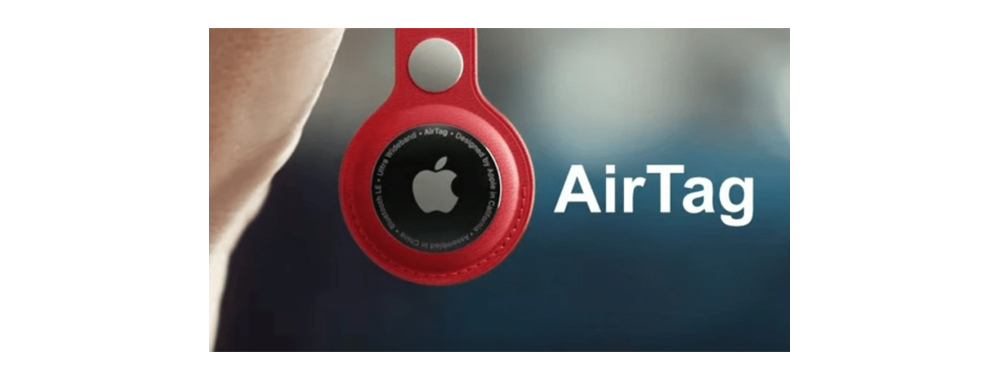
Image display of Apple AirTag

Table of Contents:

I. What Is an AirTag Tracker?

II. Product Positioning: Does Your Brand Need This Category? 

III. Scenario Positioning: How Should It Be Done? 

IV. Practical Solutions in the AirTag Backpack OEM Process

V. How We Implement Quality Control in Specific Orders

VI. Certifications and Compliance for AirTag Backpacks

VII. Frequently Asked Questions (FAQ)

VIII. Conclusion


I. What Is an AirTag Tracker?

Before customizing, you first need to understand what an AirTag is and confirm whether this category makes sense for your brand — this determines the scale of every investment that follows.

The AirTag is a Bluetooth tracking device launched by Apple. Shaped like a small round disc, the official model measures about 31.5 mm in diameter and about 8 mm thick, weighing only 11 grams. It contains a built-in speaker, an accelerometer, and a Bluetooth chip, and it locates items through Apple's "Find My" network. Users place an AirTag inside a backpack or suitcase, or attach it to their keys, and can then view the item's location on their phone. When an item is lost, they can enable Lost Mode, which lets nearby passing Apple devices help relay location information back to them.

For backpack brands, the key to understanding how AirTag works lies in its relationship with the bag itself: the AirTag does not rely on GPS for positioning. Instead, it reports its location through Bluetooth interaction with surrounding Apple devices, which means its signal quality depends heavily on the materials and shielding conditions around its mounting position.

In addition, the AirTag is powered by a coin cell battery with a battery life of about one year, and users need to replace the battery periodically. This means the holder must balance two requirements: "easy to insert and remove" and "not easy to fall out." Its diameter and thickness also define the basic dimensional constraints of the holder design — if the holder is too shallow, the AirTag can easily slip out; if it is too tight, users will struggle considerably when replacing the battery.
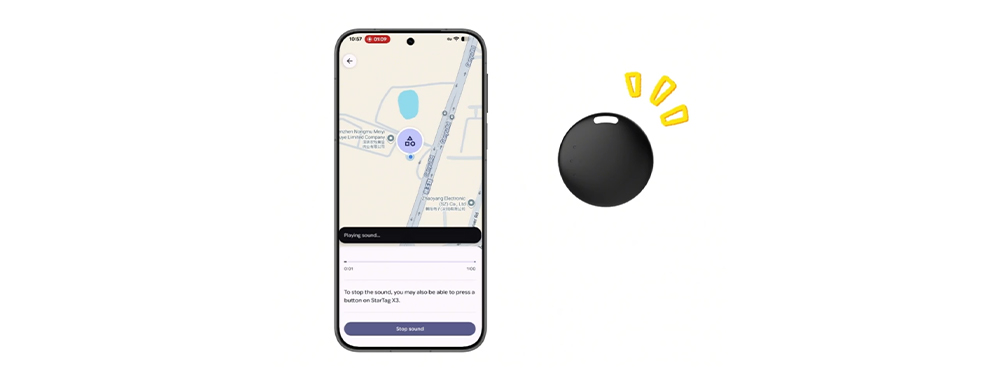
The principle of using AirTag is shown in the picture

II. Product Positioning: Does Your Brand Need This Category?

AirTag backpacks solve a real and high-frequency pain point: bags getting lost, taken by mistake, or stolen. Apple's "Find My" network relies on hundreds of millions of Apple devices worldwide relaying location data, giving a tiny tracker near-global coverage for recovering lost items. For consumers, building an AirTag into a backpack or attaching one to it is like taking out a "recoverable" insurance policy on their belongings. For brands, it delivers fourfold value:

  • Differentiated selling point: In a market where backpacks are heavily homogenized, "built-in anti-loss tracking" is a genuine functional selling point.
  • Premium pricing potential: Backpacks with an integrated AirTag holder can typically command a noticeably higher retail price than a standard model with the same specifications.
  • Scenario expansion: Business commuting, business travel, parent-and-baby, students, pet travel... almost every demographic segment has a "fear of losing things" pain point.
  • Market demand: Judging by market signals, this category is still in a window of "high awareness, insufficient supply": cumulative AirTag sales have long reached the tens-of-millions scale, while search interest for keywords such as "AirTag backpack" and "AirTag luggage" on e-commerce platforms continues to climb. If your brand already has a mature commuter or travel bag line, you only need to add a holder to an existing pattern to enter this selling point at a relatively low development cost.

Does the image display brand backpack need to develop AirTag


III. Scenario Positioning: How Should It Be Done?

Once you have a reason to do it, the second step is to understand the usage requirements of each scenario, because scenario positioning directly determines where the holder should be placed and how it should be built.

Different scenarios have entirely different requirements for the AirTag holder:

  • Business commuter bags: Users care about concealment and a premium feel. The holder is best hidden in a lining compartment or behind the brand's woven label, leaving the exterior completely seamless.
  • Travel backpacks / carry-on bags: Loss scenarios mostly occur at airports and train stations. Users need to quickly check the AirTag's battery level or replace the battery, so the holder must balance concealment with "easy for the owner to access, hard for others to access."
  • Student bags / children's bags: Beyond anti-loss, you must also prevent children from accidentally swallowing the battery. The holder must have a safety locking structure (such as a screw-on clasp that requires a tool to open).
  • Outdoor backpacks: Harsh environments demand a holder that is waterproof, shock-resistant, and able to withstand repeated friction.


IV. Practical Solutions in the AirTag Backpack OEM Process


4.1 Mainstream Holder Solutions:

4.1.1 Hidden Built-In Structure

A hidden built-in structure tucks the AirTag holder entirely inside the backpack, with no visible opening or marking on the exterior. It suits commuting and business travel scenarios that pursue a clean appearance, where the anti-loss need is mainly "recovering your own item."
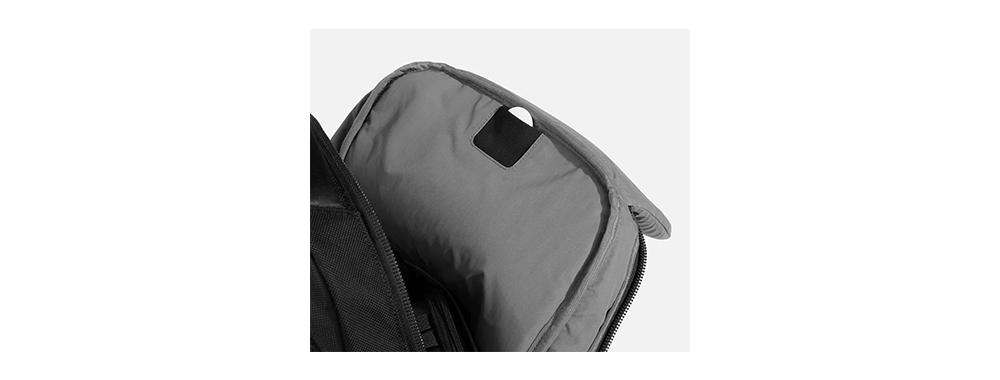
  • Hidden inner pocket: A snug-fitting elastic slip pocket sewn onto the lining. The structure is the simplest and the cost is the lowest, making it suitable for commuter bags and business bags.

 Image display AirTag hidden inner bag

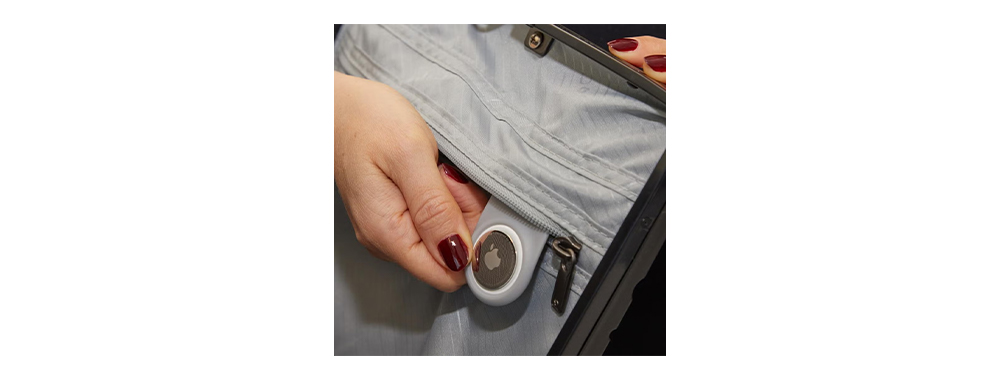
  • Built-in dedicated holder tray: A custom-molded plastic tray that matches the AirTag's outer diameter, locking it in place with a press-fit. It is fixed inside a zippered pocket in the bag; when needed, the user opens the zipper to take it out, and when not needed, the zipper stays closed — offering excellent concealment.

 Image display with built-in dedicated card sleeve


  • Built-in clip-on structure: An independent hook or clip is installed inside the backpack. The AirTag, paired with a compatible silicone sleeve and keychain, hangs onto the holder. It can also be designed to sit inside a zippered pocket for added concealment.

Image display with built-in buckle structure


4.1.2 Convenient External-Mount Structure

Designed for quick personal item-finding, the core requirement of an external-mount structure is "always within reach" — users can see or feel where the AirTag is without opening the main compartment and digging around. It suits high-frequency outings such as daily commuting, walking the kids, or walking the dog. Common approaches include the following:

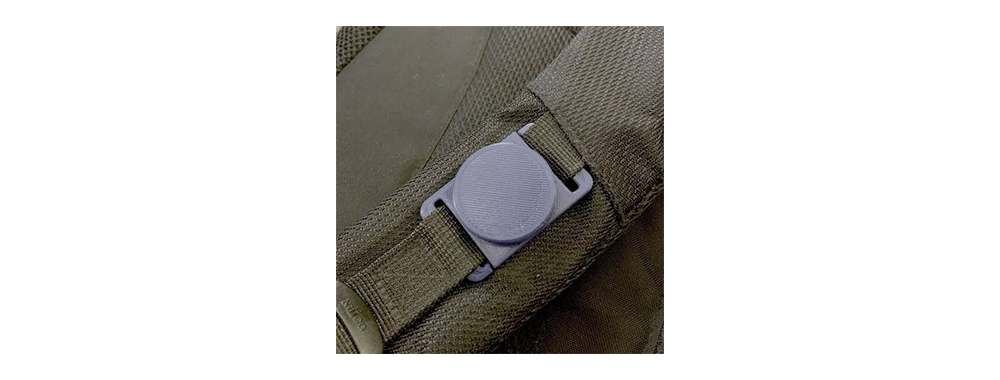
  • External locking clip attachment point: A webbing attachment point with a metal buckle ring is added at the base of the shoulder strap or along the outer edge of a side pocket. The user secures the AirTag to the outside of the bag with a silicone sleeve and keychain. The signal is completely unobstructed and battery replacement is the most convenient, making it suitable for outdoor backpacks and lightweight commuter models.

Picture display of external locking buckle hanging point


  • Webbing/woven-label integrated position: The holder is woven directly into the backpack's webbing or side label.

Picture display of integrated position for outer ribbonwoven label


  • Hidden zippered compartment: An independent zippered compartment set inside the trolley-sleeve strap, back panel, or side pocket. It offers the strongest versatility and convenient battery replacement, making it a common choice for travel bags.

Zipper concealed compartment

For premium business travel backpacks, we recommend prioritizing the hidden built-in solution: the hidden pocket is fixed to the inside of the back panel or within an internal zippered pocket, with no visible opening on the exterior. This balances concealment with a premium feel while retaining an open-and-close access channel, so users can replace the battery without rummaging through the main compartment. If your brand wants to emphasize the "quick confirmation" experience during travel, a woven-label marker can be added to the lining compartment, allowing users to identify the AirTag's location by touch without opening the bag.

One point worth noting: once the holder solution is finalized, all subsequent structural prototyping, mold development, and production-line fixtures will be built around it. We therefore recommend confirming the backpack pattern, lining structure, and holder together at the solution review stage, to avoid rework later caused by changes in lining thickness or stitching direction.
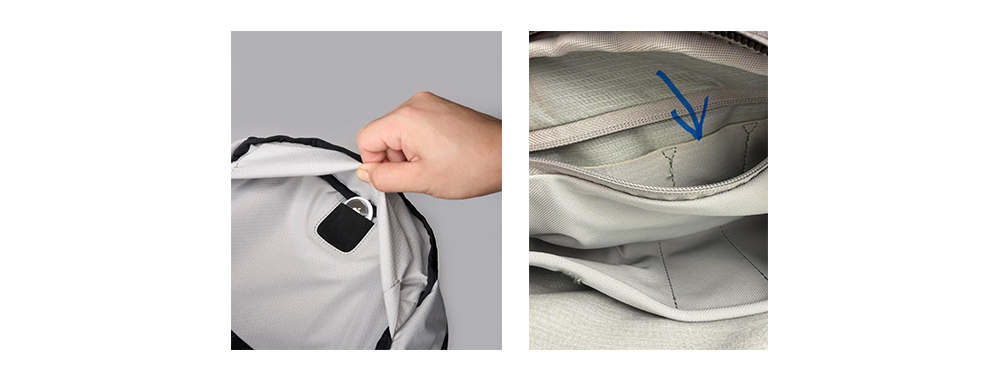
We recommend prioritizing the use of hidden built-in solutions for high-end business travel backpacks

4.2 Materials and Craftsmanship:

Material selection must satisfy two goals at once: the functionality of the AirTag holder, and the quality consistency of the entire bag.

  • Bag body fabric: Nylon (such as 1680D ballistic nylon), polyester, canvas, and recycled eco-friendly fabrics all work, and none of them affect the AirTag's signal.
  • Holder materials: Silicone sleeves are recommended for holder trays — soft, highly resilient, and gentle on the AirTag's surface coating. For inner pockets, four-way stretch Lycra fabric or microfiber is recommended, as it grips the AirTag firmly while still allowing easy insertion and removal.
  • Hardware and accessories: Zippers and buckles should be kept away from the area around the holder as much as possible, to reduce metal shielding.
  • Craftsmanship essentials: The stitching at the holder is a high-frequency stress concentration point and must be reinforced with bar tacks.


4.3 Four Pitfall-Avoidance Tips:

  • About the signal: The AirTag works via Bluetooth and UWB (ultra-wideband), so the holder must not be fully enclosed by metal materials (aluminum frames and metal linings will create shielding). PU, nylon, polyester, and genuine leather do not affect the signal, but if your design includes metal components, actual testing is a must.
  • About removal and installation: Battery life is about one year, and users must be able to replace the battery themselves. The holder must be "openable by hand or with a tool, yet won't come loose under vigorous shaking."
  • About anti-loss: Ironically, the anti-loss device itself can also get lost. The holder must not allow the AirTag to slip out easily during inversion, shaking, and compression tests.
  • Privacy and safety: Children's products must account for the risk of accidental swallowing. You should also pay attention to Apple's design guidelines for AirTag accessories, avoiding structures that block the speaker and thereby weaken the "plays a sound when being located" function.


V. How We Implement Quality Control in Specific Orders

The standard bag production process begins with confirming the design and craftsmanship, followed by prototype confirmation; mass production only begins after the sample is approved, and the goal at this stage is "consistency with the approved sample." As a professional backpack factory, our quality control process includes:

  • Pre-production sample approval: A sealed sample is finalized before bulk cutting begins, and all details are based on the sealed sample.
  • Incoming material inspection: Incoming material inspection is the first gate in the quality control chain.
  • In-process patrol inspection: Every production node has a corresponding checklist; when a problem is found, the line is stopped and corrected on the spot, rather than waiting for finished products to come out and then repairing them.
  • Pre-shipment inspection: Conducted according to the internationally accepted AQL sampling standard. SYNBERRY BAG typically performs sampling inspections at the high standard of AQL 4.0/1.5.


VI. Certifications and Compliance

Quality control solves the consistency of the product itself; certifications and compliance solve the legality of the product entering the market. AirTag backpacks straddle two domains — "luggage + electronic accessory ecosystem" — which adds an extra layer of compliance considerations compared to ordinary backpacks. We break them down into four aspects:


6.1 Trademarks and Intellectual Property:

  • Unbranded (no-logo) AirTags: "AirTag" is a registered trademark of Apple. Currently, most units on the domestic market are produced by third-party authorized companies, so the product itself must carry Apple's MFi certification to be sold legitimately.
  • Customized brand logos: Unbranded products already carry MFi certification, but if you customize a brand logo on the product body, a new authorization certification is required. The certification fee is about USD 3,000, and the certification cycle takes 3–5 months. We therefore recommend that brands use neutral (unbranded) products when developing a new product line, to reduce initial development costs.


6.2 Product Safety and Chemical Compliance

6.2.1 On the Backpack Side:

  • European Union: Fabrics and accessories must comply with the REACH regulation (SVHC candidate list of substances of very high concern, azo dyes, nickel release, etc.), including the latest PFAS control requirements — this is also why more and more European and American orders require PFAS-free fabrics.
  • United States: Pay attention to the warning requirements of California's Proposition 65. Children's backpacks are classified as children's products and must comply with CPSIA, with a CPC (Children's Product Certificate) provided. Holder trays must pass small-parts testing to prevent accidental swallowing.
  • Environmental claims: When your product page carries claims such as "eco-friendly" or "PFAS-free," they must be backed by test reports. Regulators in Europe and the U.S. are tightening oversight of greenwashing (the U.S. FTC Green Guides and the EU Green Claims Directive).


6.2.2 On the AirTag Side:

  • European Union: When entering the EU market, the compliance pressure for AirTags comes mainly from the general requirements for electronic products, rather than from the luggage category itself. AirTag holder kits sold in member states must meet the relevant directives under the CE marking framework, among which RoHS is a foundational requirement.
  • United States: In the U.S., the AirTag itself, as an electronic device with wireless transmission capability, is regulated by the FCC. If it is sold as a complete bundle with the bag, you need to confirm that the bundled accessories meet the FCC's relevant requirements for unintentional radiators, and retain compliance markings on the label and in the instruction manual. If the backpack only provides the holder structure without the AirTag itself, the product remains an ordinary piece of luggage, and responsibility for electronics regulations falls on the AirTag supplier's side. Brands need to clearly allocate this portion of responsibility in their supply chain contracts, to avoid unclear accountability when problems arise.


VII. Frequently Asked Questions (FAQ)


Q1: What is the typical minimum order quantity (MOQ) for custom AirTag backpacks?

The hidden inner pocket solution involves no mold-making, so its MOQ is usually the same as that of an ordinary custom backpack (commonly starting from 500 units). The holder tray solution requires an injection mold, so factories generally demand a higher MOQ (1,000 units or more) to spread out the mold cost. The specifics depend on the factory and the complexity of the craftsmanship. When requesting quotes, we recommend writing the holder solution into the specification sheet before comparing prices.


Q2: Should the AirTag be included with the bag? Who procures it?

Both models are viable. Most brands choose "no AirTag included," noting on the packaging and product page that "AirTag sold separately" — this keeps both costs and legal risks at their lowest. The bundle model brings a higher average order value, but you must solve the legitimate AirTag procurement channel and the shipping compliance issues for products containing lithium batteries on your own.


Q3: Does making an AirTag backpack require Apple's MFi certification or licensing?

It depends on the cooperation model. MFi certification targets electronic accessories that use Apple's connectors and protocols (such as Lightning cables); a purely structural storage holder does not fall within its scope. However, if the AirTag is sold together with the bag, MFi certification is required.


Q4: Will the holder block the AirTag's signal?

Not as long as it is properly designed. The AirTag works via Bluetooth and UWB, and nylon, polyester, genuine leather, silicone, and PC/ABS plastics cause no shielding. What you truly need to avoid is fully enclosing the AirTag in metal materials.


Q5: Can one holder be compatible with trackers from other brands at the same time?

Yes, but the dimensions must be re-verified. The official Apple AirTag (31.9 mm in diameter), Samsung Galaxy SmartTag (about 39 mm square), and Tile Mate differ considerably in size, so a single holder can hardly fit them all. If Android users make up a high share of your target market, you can develop a dual solution of "AirTag holder + universal attachment point," or supply different versions for different markets.


Q6: Are there any special requirements for adding an AirTag holder to children's backpacks?

There are two: the holder must have a protective cover or locking structure that prevents accidental swallowing (one that children cannot open with their bare hands); and exports to the U.S. must comply with CPSIA and be accompanied by a CPC certificate.
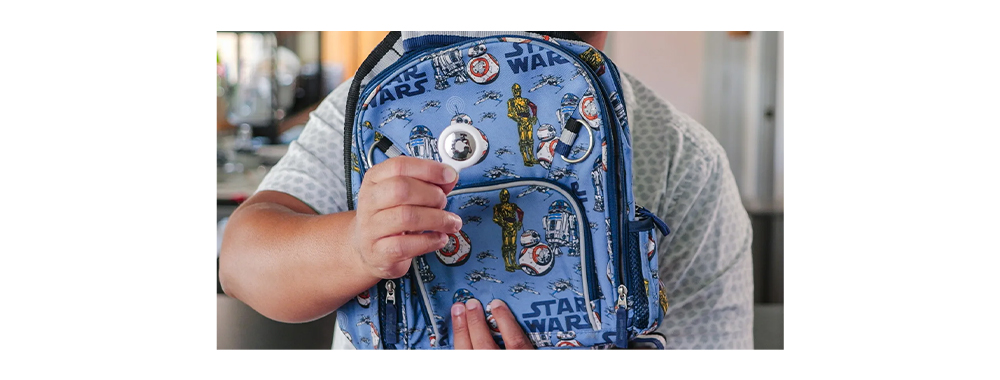
What are the special requirements for making AirTag slots in children's backpacks

VIII. Conclusion


For a brand looking to enter the smart backpack category, turning an idea into a product line that can be delivered stably is, at its core, a test of supply chain capability. What it tests is not just whether a bag manufacturer is willing to add one more holder, but whether someone can walk the brand through every step — from structural design, material selection, and signal validation to certification and compliance. What SYNBERRY BAG has accumulated across these steps is precisely this kind of hands-on experience that puts details into practice: every design is backed by test evidence, every inspection has traceable records, and every certification document can be delivered along with the order.


If you are evaluating the feasibility of an AirTag backpack product line, feel free to share with us the certification requirements of your target market, your intended bag patterns, and your approximate order volume. We can first provide recommendations on the holder solution, and then quote a practical, deliverable development and production plan based on it.

  Author  


Contact Us
Address : Unit 905, Block B, Jinri Building, No. 88 Anling Second Road, Huli District, Xiamen, Fujian, China
Get in Touch

Please Read On, Stay Posted, Subscribe, And We Welcome You To Tell Us What You Think.

Linkedin WhatsApp Facebook instagram

Copyright @2024 Synberry Bag & Package Products Co.,Ltd All Rights Reserved. Network Supported

Sitemap / Blog / Xml / Privacy Policy

Contact Us

Contact Us
Hi there, I hope you're having a lovely day! Thank you for reaching out to us at Synberry --- where 30 years of craftsmanship meets everyday style. With three decades of expertise in bag manufacturing, we don't just make bags --- we build trust, stitch by stitch. Whether you're looking for timeless design, durable quality, or a partner who truly understands your needs,feel free to talk to us.
submit

home

products

WhatsApp

Contact Us