china backpack manufacturer
Home

OEM/ODM Bag Manufacturer

OEM/ODM Bag Manufacturer

  • Is neoprene a good material for making bags?
    Is neoprene a good material for making bags? Oct 14, 2026
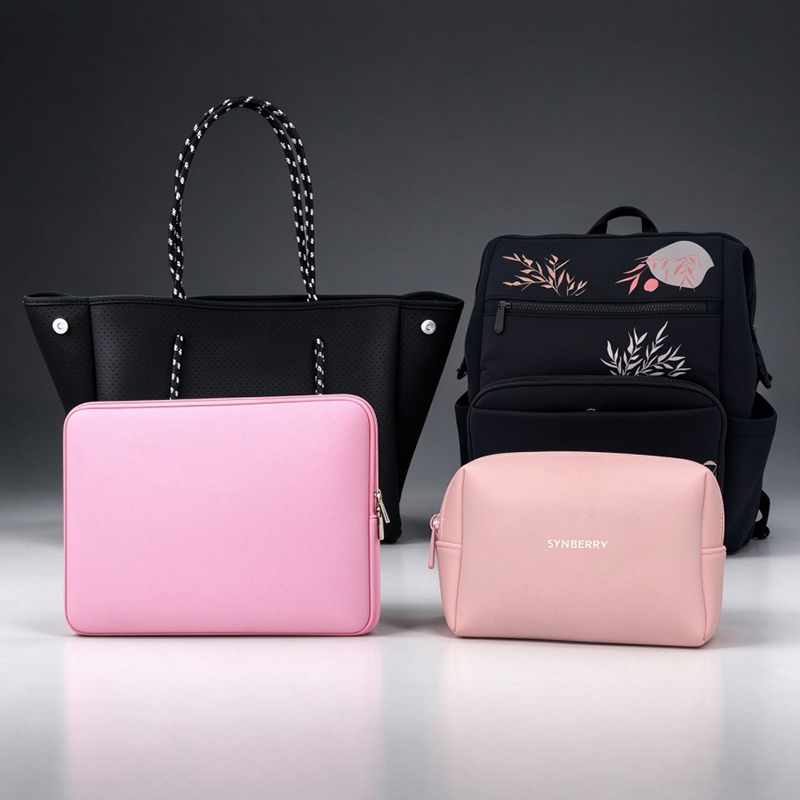
    Yes, it's perfect choice for some categories of bags but not all type. Neoprene (scientific name: chloroprene rubber, CR) is a material that is highly suitable for specific types of bags. It is soft, water-resistant, highly shock-absorbent, and offers excellent formability. It is particularly suitable for beach bags, diving equipment bags, camera insert bags, gym bags, lunch bags, and various types of trendy soft bags.  If your product requires any two of the following features — “softness + water resistance + protection + foldability” — neoprene is almost an ideal choice. However, if you are designing a structured business briefcase, a high-end handbag that aims for a leather-like texture, or a mass-produced product where cost sensitivity is extremely high, neoprene may not be the optimal solution. Whether it is “good” depends on your product positioning, target usage scenarios, and cost structure. In the following sections, we will start from the fundamental properties of the material and go through the production considerations step by step to help you determine whether it is suitable for your product. Table of Contents: What is Neoprene? Advantages of Neoprene Disadvantages of Neoprene What types of bags are suitable for using Neoprene? Practical Recommendations for Neoprene Bag Customization Frequently Asked Questions Conclusion   1. What is Neoprene? Neoprene (Chloroprene Rubber, abbreviated as CR) was invented by the American company DuPont in the 1930s. It was originally developed for wetsuits, which is why many people’s first impression of it comes from the term “diving material.” Its scientific name is polychloroprene rubber, a type of synthetic rubber produced through the polymerization of chloroprene monomers. In the bag manufacturing industry, the material we actually use is usually not pure rubber sheets, but neoprene foam composite material — a layered material made by bonding a neoprene foam layer with nylon fabric or polyester fabric. A common structure consists of: an outer layer made of nylon/polyester fabric, a middle layer of neoprene foam sponge, and an optional inner layer of lining fabric. The foaming ratio (such as thicknesses of 2mm, 3mm, and 5mm, with softness and firmness differentiated by Shore hardness and density) determines the final product’s structure, stiffness, and cushioning performance. Once you understand its “sandwich structure,” you can understand all the advantages and disadvantages of neoprene as a bag material. This is the logical starting point for all the evaluations and decisions that follow.   2. Advantages of Neoprene   2.1 Excellent Water and Moisture Resistance Neoprene itself has a closed-cell foam structure, with an extremely low water absorption rate that allows very little water vapor to penetrate. This characteristic makes it naturally suitable for the following applications: Beach bags / Swimming bags: Wet swimsuits and wet towels can be placed directly inside without water seeping through to the outer layer and wetting other belongings. It is also less prone to mold growth. Lunch bags / Insulated bags: The closed-cell structure itself acts as an insulating layer. When combined with an aluminum foil lining, it can keep contents cool for several hours, making neoprene a mainstream material in the lunch bag market in Europe and North America. Outdoor and Water Sports Bags: Suitable for paddleboard bags, canyoning bags, and sailing equipment bags.   2.2 Natural Cushioning and Protective Properties The foam layer acts like a built-in shock absorber. This is the core advantage that distinguishes neoprene from almost all traditional bag fabrics: Camera Bags / Drone Bags / Instrument Bags: A 3mm–5mm neoprene layer can provide drop and shock protection for precision equipment, eliminating the need for additional pearl cotton or EVA foam lining. Laptop Sleeves: This is one of the most well-established markets for neoprene applications. The material is lightweight and flexible, yet capable of absorbing impact when dropped. Wine Bottle Bags: Single-bottle and double-bottle neoprene wine bags are common product categories in the gift market. To achieve the same level of protection, traditional fabrics require additional padding and cushioning, which comes at the expense of softness and lightweight performance.   2.3 Softness and Foldability Neoprene bags can be folded and stored away when not in use, making them easy to tuck into a drawer or another bag. Once filled, they can also conform to the contours of the body. This makes them particularly suitable for: Gym Bags / Yoga Bags: The soft bag body can be easily tucked into a gym locker. Travel Organizer Bags: They can be folded and stored in a suitcase, yet offer considerable capacity when unfolded. Diaper Bags / Baby Bags: The soft bag body will not press uncomfortably against the baby and is also easier to fit into a stroller's storage basket. In comparison, canvas and leather bags often face a trade-off: “if they are soft, they lack structure; if they are rigid, they become bulky and heavy.” Neoprene achieves a better balance between “softness” and “shape retention.”   2.4 Excellent Printing and Design Versatility The nylon/polyester fabric bonded to the surface of neoprene is an excellent printing medium. Digital printing, screen printing, and heat transfer printing all deliver very good results, with vibrant colors and sharp details. Moreover, the printed patterns are less likely to crack when the material is stretched. In addition, the bag body can be designed with wavy edges, contrasting-color zippers, color-blocked panels, and other distinctive features. In recent years, neoprene has become a popular choice for trendy fashion brands, IP collaboration collections, and customized corporate gift bags. The rising popularity of designer brands such as Jacquemus has also helped bring soft, sculptural-style neoprene fashion bags into the spotlight.   2.5 Easy to Maintain and Stain-Resistant The neoprene foam layer provides a barrier against liquid penetration. When laminated with a lightly water-resistant, easy-to-wipe outer fabric, such as high-density waterproof nylon or polyester fabric, everyday stains (such as coffee spills, mud splashes, and sweat marks) are unlikely to penetrate the interior. In most cases, the surface can be restored to a clean condition simply by gently wiping it with a damp cloth and a small amount of mild, neutral detergent. There is no need for frequent washing as with canvas, and the hassle of regular maintenance associated with leather can also be avoided.   3. Disadvantages of Neoprene Neoprene is a material designed for specific applications rather than a universal bag fabric. When it solves a practical problem, it can perform very well. However, if you choose it simply because a sample feels soft and premium to the touch, we would typically review the complete product specifications carefully before proceeding to the sampling stage. A rational evaluation of a material cannot focus solely on its advantages. The disadvantages of neoprene are also determined by its structure:   3.1 Finished Bags May Be Heavier Than Expected A small piece of neoprene may not feel particularly heavy. However, once the large surface area of the sandwich structure is combined with zippers, webbing, and hardware, the overall weight can increase significantly. Taking commonly used 3mm-thick neoprene laminated fabric as an example, its weight per square meter is considerably higher than that of ordinary 210D nylon or 600D Oxford fabric. This becomes particularly important when the product is intended to be lightweight or designed for extended periods of carrying.   3.2 Limited Breathability Because the core layer of neoprene consists of a closed-cell foam structure, its dense physical properties not only prevent moisture from penetrating but also effectively block air circulation. This means that neoprene bags have virtually no breathability. When air circulation is the primary consideration, we generally do not choose neoprene as the material.   3.3 Sewing Requires Specialized Expertise Due to the unique elasticity of foam materials, neoprene can be prone to fabric feeding issues, skipped stitches, and wrinkling during sewing. It requires careful control of stitch length, needle type, and fabric feeding methods. Thick materials are also prone to seam splitting at corners, so experienced sewing operators are essential. If a small factory has no prior experience sewing foam materials, the initial defect rate may be relatively high. In addition, ultrasonic seamless welding cannot completely replace stitching to achieve waterproofing with neoprene. High-frequency welding is an option, but it requires substantial investment in equipment. Most products still need to be paired with water-resistant zippers to achieve a level of water resistance beyond basic splash protection.   3.4 Prone to Creasing and Compression Marks During long-term folded storage or transportation, the neoprene foam layer is prone to developing compression marks along fold lines, affecting the smoothness and overall appearance of the product. After receiving a folded or compressed product, users typically need to leave it undisturbed and allow the material to recover naturally before it gradually returns to its original shape. For products designed for “ready-to-use” convenience or positioned as premium gifts, additional support structures should be incorporated into the packaging design to prevent excessive compression.   3.5 Higher Cost Than Conventional Fabrics The price of conventional 3mm neoprene laminated polyester fabric is approximately 3–5 times that of ordinary 600D Oxford fabric. In addition, cutting waste is higher (the elasticity of foam materials makes fabric layout less compact than with plain-woven fabrics), and sewing efficiency is lower. As a result, the overall cost is significantly higher than that of polyester- or nylon-based products. This makes neoprene unsuitable for low-priced, high-volume products, but more appropriate for functional or design-oriented products with medium-to-high profit margins.   4. What Types of Bags Are Suitable for Neoprene? By weighing the advantages and disadvantages discussed in the previous two sections, we can establish a clear decision-making framework. Recommended product categories: Camera / Drone / Instrument Sleeves and Organizer Bags: Ideal when cushioning and protection are the primary requirements. Laptop Sleeves: An established product category with a well-defined competitive landscape.  Lunch Bags / Insulated Bags: Ideal for products that require both thermal insulation and leak protection. Wine Bottle Bags / Cup Sleeves: Suitable for products that combine protective functionality with gift appeal. Beach Bags / Swimming Bags / Water Sports Bags: Ideal for applications where water resistance is the primary requirement. Sports Waist Bags: Suitable for products that prioritize softness and ease of cleaning.  Diaper Bags / Cosmetic Bags: Suitable for products that require softness, stain resistance, and water resistance. Not Recommended Product Categories: Briefcases and Structured Commuter Bags High-End Handbags Requiring a Premium Leather-Like Texture Low- to Mid-Range Mass-Produced Bags: The cost structure is not viable. Short-Term Products with Strong Seasonality   5. Practical Recommendations for Neoprene Bag Customization For brands and backpack factories, selecting the material is only the first step. There are five key factors to control during implementation:   5.1 Thickness and Hardness The standard thickness of neoprene used for bags is typically 2mm–5mm. A thickness of 2–3mm is sufficient for inner sleeves. For tote bags that need to stand upright, 4–5mm is recommended, or a lining can be added through lamination. During sampling, be sure to test the material's recovery after folding and the degree of sagging under load. This ensures that the thickness matches your expectations for the bag's structure and shape retention.   5.2 Lamination Quality The lamination quality of the three-layer material structure (outer fabric + foam layer + lining fabric) determines the product's service life. Poor-quality lamination may begin to delaminate or form bubbles after just a few months of use, whereas high-quality laminated layers should be firmly bonded together and difficult to separate by hand. Therefore, choosing a professional bag factory with experience manufacturing similar products is essential.   5.3 Odor Control During the foaming and lamination processes, neoprene may inevitably retain a certain amount of chemical odor, commonly referred to as a “rubber smell” or “glue smell.” Although materials that meet environmental standards will gradually lose their odor after ventilation, unpleasant smells when opening the package can easily lead to negative reviews, especially among odor-sensitive users, such as parents purchasing products for babies and recipients of high-end gifts. Therefore, during the Neoprene Bag OEM process, we pay particular attention to the following factors: Material Source Lamination Process Packaging Conditions Ventilation Time Before Shipment   5.4 Zipper Selection Determines the Level of Water Resistance Ordinary nylon zippers are one of the main points where water can seep into splash-resistant products. For products with higher water-resistance requirements, waterproof or watertight zippers (such as YKK's waterproof zipper series) must be used, or a waterproof zipper flap should be added to the inside of the zipper. It is important to note that waterproof zippers generally feel stiffer than ordinary zippers, offer greater resistance when opening and closing, and cost more. If the product is not intended for professional diving or extreme outdoor environments, there is no need to blindly pursue the highest level of waterproof zipper performance. Doing so may compromise the user experience while unnecessarily increasing costs.   5.5 Rust Resistance of Metal Hardware Considering that neoprene bags are often used in humid environments, the metal hardware must have excellent rust resistance. In practice, salt spray testing can be used to evaluate the corrosion resistance of the hardware. Priority should be given to zinc alloy hardware with a thick electroplated coating or stainless steel hardware. This helps prevent rapid oxidation and rusting caused by exposure to coastal environments or perspiration, which could otherwise compromise the overall appearance and perceived quality of the product.    6. Frequently Asked Questions   Q1: What Is the Difference Between Neoprene and SBR? CR (chloroprene rubber / neoprene) and SBR (styrene-butadiene rubber) are both synthetic rubbers, and both can be made into a “sandwich” structure consisting of outer fabric + foam layer + lining fabric. Their appearance, feel, and thickness can even be made virtually identical. However, based on practical experience in neoprene bag OEM manufacturing, there are two notable differences between the two materials: Resilience and Shape Recovery: CR offers better resilience and recovers more quickly from compression marks after folding, making it less prone to deformation during long-term use. SBR, by contrast, has relatively weaker resilience and is more likely to develop permanent creases or collapse after repeated folding or heavy compression. Durability and Weather Resistance: CR offers better durability and weather resistance, with significantly greater resistance to UV radiation, ozone, and seawater corrosion than SBR. When exposed to sunlight or humid environments for extended periods, SBR is more susceptible to aging, hardening, and surface powdering. The following table compares the inherent performance characteristics and costs of the two materials: The following table compares their inherent performance characteristics and costs: Comparison Factor CR (Genuine Neoprene) SBR (Styrene-Butadiene Rubber) Abrasion Resistance Good, but not as good as SBR Excellent; commonly used in bags requiring higher abrasion resistance Temperature Resistance Approximately -40°C to +120°C Approximately -20°C to +80°C Durability Excellent; less prone to powdering during long-term use Average; prone to cracking and powdering outdoors Elasticity and Feel Flexible with good resilience Relatively weaker resilience than CR Cost High; CR costs approximately twice as much as SBR Lower; the predominant material used in many “diving fabric” products on the market Odor Relatively mild Usually more noticeable Summary: SBR is a “budget-friendly substitute for neoprene.” If your product's selling points are softness, cushioning, water resistance, and stain resistance (such as beach bags, camera bags, and lunch bags), SBR is generally a cost-effective choice. However, if you intend to promote “genuine neoprene quality,” position the product at a premium price point, or meet higher customer requirements for temperature resistance, crease recovery, and weather resistance, CR may be the better option. The cost difference should also be factored into your pricing strategy.   Q2: Can Neoprene Bags Be Machine-Washed? Machine washing is not recommended. Although neoprene itself can withstand washing, the bonding layers (adhesive) and stitching in the “sandwich structure” cannot withstand the vigorous agitation and high centrifugal forces of a washing machine's spin cycle. Machine washing can easily cause fabric delamination, bubbling, and even irreversible deformation or damage to the hardware. The correct cleaning method is to use lukewarm water and a neutral detergent, gently wiping the stained areas with a soft cloth or sponge. Then wipe away any remaining detergent with clean water and allow the bag to air-dry naturally in a cool, well-ventilated area. Avoid direct sunlight and high-temperature tumble drying, as heat can accelerate rubber aging, causing it to harden or even crack. For persistent odors or deep cleaning, consider seeking assistance from a professional dry cleaner. However, inform them of the material's properties in advance to ensure that strong solvents are avoided.   Q3: Can Neoprene Bags Be Customized into Different Shapes? Yes, but the possibilities are limited by the material's properties. Neoprene has a certain degree of flexibility and can be formed into simple textured patterns through mold-based heat pressing. However, unlike EVA or injection-molded plastics, it cannot easily achieve complex geometric structures or sharp right angles. If a highly structured, rigid appearance is required, internal reinforcement (such as PP boards or EVA sheets) or a thicker foam layer (over 5mm) is usually needed. For designs that aim to achieve a “soft sculptural effect,” we recommend discussing the construction with the factory during the design stage and using multi-panel construction and structural segmentation to create the desired shape, rather than relying on the natural structural support of a single material.   Q4: Are Neoprene Bags Heavy? Neoprene bags may be heavier than buyers expect, especially when large areas of neoprene fabric are combined with lining, webbing, zippers, and metal hardware. They can be considerably heavier than ordinary polyester and nylon bags.   Q5: Are Neoprene Bags Environmentally Friendly? This question needs to be addressed from several perspectives. In terms of the materials themselves, both chloroprene rubber (CR) and styrene-butadiene rubber (SBR) are synthetic rubbers that are difficult to biodegrade naturally and are not considered biodegradable materials. However, their environmental performance during actual production and use depends on the specific manufacturing processes and standards employed. The first consideration is the adhesive and lamination process. Traditional solvent-based adhesives may contain volatile organic compounds (VOCs), which not only produce strong odors but are also environmentally unfriendly. Today, many mid- to high-end supply chains have shifted to water-based adhesives or hot-melt adhesive lamination processes, significantly reducing harmful residual substances and helping products meet major environmental regulations such as the EU's REACH and RoHS requirements.   Q6: Is Neoprene Better Than Nylon or Polyester for Making Bags? Not necessarily. If you prioritize extremely low weight, low cost, and high breathability, choose nylon or polyester. If you need water resistance, cushioning, a soft feel, or a distinctive fashion aesthetic, and can accept higher costs and product weight, neoprene may be the better choice. Many high-end brands even adopt a “hybrid strategy,” using neoprene for the main body and incorporating polyester or nylon panels in key areas to combine the advantages of both materials.   7. Conclusion There is no absolute distinction between good and bad materials; what matters is whether the material is the right fit for the application. For bag manufacturers and brands, the best practice is to work backward from the “application scenario–function–material” framework during the product development stage. Use neoprene where it performs best, and address its limitations through manufacturing processes and quality inspections. When applied correctly, neoprene can become a valuable asset in your product line, offering significant potential for both product differentiation and profit margins. SYNBERRY BAG has over 30 years of experience in bag OEM/ODM manufacturing and specializes in advanced material processing and precision manufacturing across a wide range of materials. We understand the specific requirements of neoprene in lamination, sewing, and quality control, and provide professional support throughout the entire process, from material selection to finished product delivery. Whether you are developing functional protective sleeves that prioritize maximum cushioning or designer handbags that showcase contemporary fashion aesthetics, SYNBERRY BAG can help brands translate creative concepts into finished products with precision, balancing performance, cost, and aesthetics to create high-quality products that stand the test of the market.   Author        
  • What Is the CPSIA Standard? A Guide to Customizing Children's Bags
    What Is the CPSIA Standard? A Guide to Customizing Children's Bags Sep 29, 2026
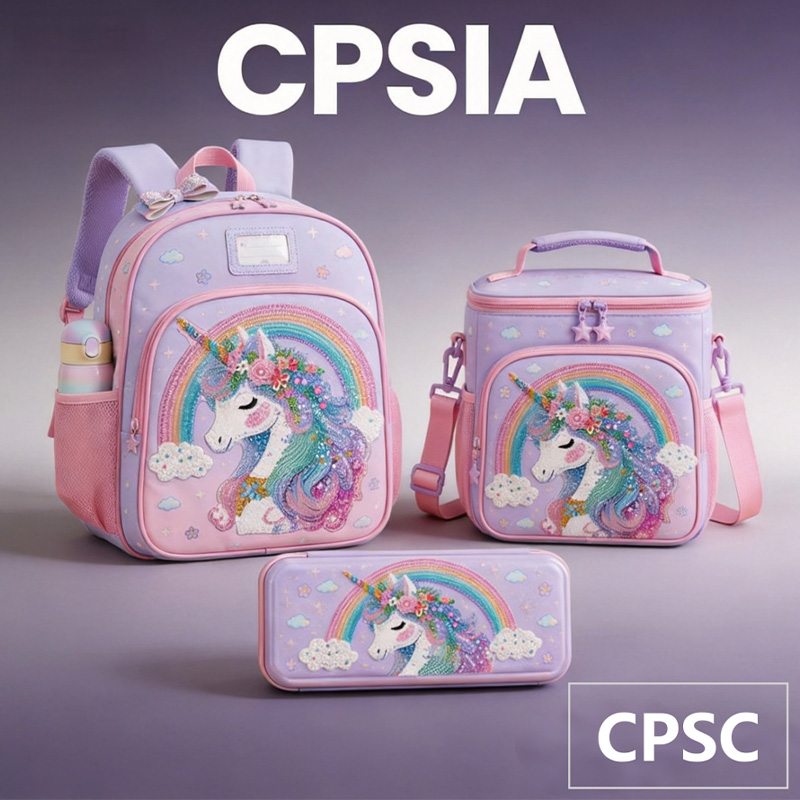
    CPSIA, short for the Consumer Product Safety Improvement Act, is a consumer product safety law enacted by the U.S. Congress in 2008 and enforced by the U.S. Consumer Product Safety Commission (CPSC). Its core regulatory scope covers products primarily designed for or intended to be used by children 12 years of age or younger. For children's bag manufacturers and exporters, the CPSIA establishes strict mandatory standards. The key requirements include restrictions on lead content, a prohibition on the use of certain phthalates, and ensuring that products comply with applicable physical and mechanical performance testing requirements. Any bag product sold in the U.S. market that is primarily intended for use by children 12 years of age or younger must undergo testing and certification by a third-party laboratory and be accompanied by a Children's Product Certificate (CPC) to ensure compliance. Table of Contents CPSIA Testing Requirements for Children's Bags Compliance Guidelines Throughout the Children's Bag Customization Process How We Integrate Compliance into Every Production Run Common Compliance Misconceptions and Risk Mitigation Frequently Asked Questions About Children's Bag OEM Conclusion   I.  CPSIA Testing Requirements for Children's Bags CPSIA applies to all bags that are “primarily designed for children 12 years of age or younger,” such as children's backpacks, school bags, lunch bags, pencil cases, and other similar products. The specific core testing requirements are as follows:   1. 1 Chemical Testing (Core Requirements) For textiles and hardware products, the truly important measurable limits are lead and phthalates. Lead is regulated in two ways: first, the total content in the substrate; and second, the lead content in any surface coating or paint. The eight restricted phthalates apply to plasticized components, such as PVC zipper pulls, printed labels, and soft rubber trim. 1.1 1 Lead Content (Section 101) Test Item Limit Coatings/Paint (surface coating) ≤ 90 ppm Substrate (fabrics, plastics, metal zippers, buttons, webbing, prints, and all other accessible components) ≤ 100 ppm Scope of Application and Exemptions: These limits apply to all accessible components of bags, including outer fabric, lining, zipper pulls, fasteners, decorative elements, sewing thread, and printing inks. If the product contains electronic components or certain special metal alloys, special attention must be paid to whether their lead content complies with the standard. It is worth noting that the CPSIA has a clear definition of “accessibility”: If a component is completely covered by a layer of protective material, and the protective layer does not become damaged or detached after undergoing the reasonable use and abuse tests specified by the CPSC, such as tension, torque, drop, and other tests, the internal component may be exempt from lead content testing. Conversely, if the protective layer fails and causes the internal material to become exposed, it must meet the requirement of ≤ 100 ppm (that is, the content of the substance must not exceed 1 gram per kilogram of material). In addition, for internal components that cannot avoid contact through physical isolation, strict compliance is required regardless of whether they are easily accessible to children. Test Methods: CPSC-CH-E1001/E1002/E1003 series (XRF screening + wet chemical confirmation). Zipper pulls, buttons, hardware, inks, and printed materials are high-risk areas. 1.1.2  Phthalates (Section 108) The 8 restricted phthalates (DEHP, DBP, BBP, DINP, DIBP, DPENP, DHEXP, DCHP) are each limited to ≤ 0.1% (1000 ppm), meaning that the content of each substance must not exceed 1 gram per kilogram of material. Scope of Application and Exemptions: Not all children's bag components are subject to this restriction. Section 108 primarily regulates children's toys that can be “put into the mouth” and certain child care articles. For ordinary children's bags, such as school bags and backpacks, phthalate testing is generally not mandatory if their intended use does not include chewing or sucking by children. However, if a bag contains soft plastic components, such as transparent windows made of PVC, soft rubber handles, decorative soft plastic pendants, etc., and these components may be placed in the mouths of children under 3 years of age, they must comply with the requirements. In addition, the CPSC in recent years. Note: If the products are also sold in California, laboratories typically additionally test for DIDP (Prop 65), resulting in a total of 9P.   1.2 Mechanical and Physical Safety (Relevant Regulatory Requirements) Small Parts Testing: Products intended for use by children under 3 years of age must not contain detachable small parts (16 CFR 1501) and must be evaluated after undergoing use and abuse testing. Sharp Edges/Points: (FHSA / 16 CFR 1500.48/49) Choking Hazard: If plastic packaging bags are included, a choking hazard warning must be provided (additional requirements apply to bags with an opening circumference ≥ 380 mm)   1.3  Flammability Performance Textile fabrics must comply with the requirements of 16 CFR 1610 (flammability of clothing textiles), Class 1 or Class 2. Most backpack fabrics generally fall into exempt categories, but the specific determination must be made based on the fabric composition.   1.4  Certification and Labeling Requirements (Not Testing Items, but Equally Mandatory) Third-Party Testing: Testing must be conducted by a CPSC-accepted laboratory. CPC Certificate (Children's Product Certificate): Issued based on the test report and required for each shipment. Permanent Tracking Label (Tracking Label): Must indicate the manufacturer's/private labeler's name, production date, and batch information. eFiling: Starting July 8, 2026, importers must electronically declare CPC/GCC data through the Customs ACE system   II.  Compliance Guidelines Throughout the Children's Bag Customization Process   Step 1: Clearly Define the Product Classification This is the stage where problems are most likely to occur. The compliance costs of an “adult bag” and a “children's bag” can differ significantly. Children's cartoon patterns, children's sizes, and marketing materials featuring school-related scenarios → are very likely to be classified as children's products; If marketing materials (Amazon listings, packaging designs) are targeted at children under 12 years of age, platforms may also require CPSIA compliance. It is recommended to confirm the product positioning for the target market before creating samples, in order to avoid being required to complete a full set of additional tests only at the shipping stage.   Step 2: Lock in Compliant Materials During the Material Selection Stage Key Risk Materials Compliant Alternatives PVC-coated fabric Eco-friendly PU coating Soft rubber raised-print designs Silicone printing (food-grade), embroidery Metal zippers/snap buttons without test reports Hardware from well-known brands (YKK, SBS, etc.) Unknown-source inks/dyes Require suppliers to provide SDS or test reports   Step 3: Arrange Third-Party Testing Select a CPSC-recognized laboratory, such as SGS, Intertek, TÜV, or BV; Testing process: XRF preliminary screening for lead → wet chemical confirmation if the level exceeds the limit; phthalates are tested using GC-MS; One SKU for one bag design and one report; changes to fabrics/hardware require re-evaluation.   Step 4: Prepare the CPC Certificate and Tracking Label CPC Certificate: Issued based on the test report, must accompany each shipment, and must be retained by the importer/seller for recordkeeping; Permanent Tracking Label: The manufacturer's name, production date, production batch/origin information must be sewn or molded onto the inside of the bag; Pay attention to timing: Starting in 2026, U.S. Customs has implemented an electronic filing system (eFiling). Importers of children's products are required to submit CPC data through the ACE system, and a paper certificate alone is no longer sufficient.   III.  How Do We Integrate Compliance into Every Production Run?   SYNBERRY BAG adopts a four-stage quality control system—IQC (Incoming Quality Control), IPQC (In-Process Quality Control), FQC (Final Quality Control), and OQC (Outgoing Quality Control)—to move compliance checkpoints forward into the production process, ensuring that non-compliant materials are identified before they are sewn into thousands of finished products. During the Incoming Quality Control (IQC) stage, fabrics, hardware, zippers, and accessories are inspected upon arrival: factory and laboratory certificates are verified, and samples are taken for preliminary screening so that non-compliant batches can be rejected before the materials reach the cutting table. During the In-Process Quality Control (IPQC) stage, the cutting, printing, and sewing processes are monitored throughout production to ensure that only approved inks and hardware are used and to promptly identify any unauthorized substitutions made during production. During the Final Quality Control (FQC) stage, finished bags are inspected for workmanship, dimensions, and functionality against the approved and signed golden sample. Finally, during the Outgoing Quality Control (OQC) stage, packed cartons are inspected before shipment to confirm that the test reports, tracking labels, and carton markings are fully consistent with the goods. Compliance measures are incorporated into every stage, rather than being merely a superficial formality. This is the key to transforming a quality control system into a compliance system. Throughout the entire bag production process, SYNBERRY BAG consistently follows the AQL 1.5/4.0 sampling standard under ISO 2859, ensuring consistency and stable compliance across mass-produced products.   IV.  Common Compliance Misconceptions and Risk Mitigation During the actual school bag OEM production process, many brand owners have misunderstandings about CPSIA compliance and often encounter a series of problems due to overlooking important details. Below are several common misconceptions and practical response recommendations from a school bag manufacturer:   4.1  Misconception One: A “Smaller Version of an Adult Product” Does Not Need to Comply Many companies believe that as long as the packaging does not state “for children only,” the product can be exported as an adult product. However, the CPSC applies a “primary use” determination principle. If the product's size is clearly suitable for children under 12 years of age, such as mini backpacks or cartoon-style crossbody bags, or if children are shown using the product in marketing images, the product may still be classified as a children's product even without an explicit statement. Response Strategy: Clearly define the target audience during the product design stage. If the product is indeed intended for adults, avoid using juvenile cartoon imagery, bright color combinations, and children's size specifications. Marketing materials should also strictly avoid using child models or suggestive wording that implies the product is intended for children.   4.2  Misconception Two: A Voluntary Test Report Provided by the Supplier Is Sufficient for Customs Clearance Some suppliers provide a voluntary test report (Test Report) rather than compliance documentation based on the mandatory requirements of the CPSIA. Although well-known laboratories may have CPSC-recognized accreditation, if the report does not explicitly reference the relevant CPSIA sections, such as Section 101 and Section 108, or does not cover all accessible components, the report cannot serve as a valid basis for issuing a CPC certificate. In addition, products from different batches and products with different fabric colors need to be tested separately; an old report cannot simply be reused. Response Strategy: When commissioning testing, explicitly require a test report that complies with CPSIA standards, and ensure that the test samples cover all color and material variations. After receiving the report, carefully verify the test standard numbers and applicable limits, and then prepare the CPC certificate accordingly.   4.3 Misconception Three: Tracking Labels Can Be Added Later or Ignored A permanent tracking label (Tracking Label) is a mandatory CPSIA requirement. It must be directly printed or sewn onto the product, and the information must be clear, legible, and resistant to washing and abrasion. The CPSC explicitly requires tracking labels to be “permanent,” meaning that they cannot be removed without damaging the product and must withstand normal use and washing without becoming illegible or falling off. Simple stickers, hangtags, or easily erasable printing do not meet the requirements. Response Strategy: Integrate the tracking information into the care label, interior lining print, or molded/embossed marking at the early stage of bag production. Ensure that the label is positioned discreetly but remains easy to locate, that the text is clear and legible, and that abrasion-resistant and wash-resistant materials and processes are used.   V. Frequently Asked Questions About CPSIA Compliance During Children's Bag OEM   Q1: If my bags are primarily sold to adults but are occasionally used by children, do they need to comply with CPSIA? A: The key factor is the determination of the product's “primary use.” The CPSC will comprehensively consider the product's design, packaging, marketing and promotional materials, and consumer perception. If the product is clearly geared toward children under 12 in terms of size, patterns (such as cartoon characters), or functional design, or if children are shown in e-commerce listings or advertisements or the marketing materials imply scenarios involving children's use, the product is very likely to be classified as a children's product even if it is not explicitly labeled “for children only,” and will therefore be required to comply with CPSIA. If the target group is indeed adults, the product design and marketing should be strictly de-child-oriented to avoid misclassification.   Q2: Does the same bag need to be tested separately in different colors? A: Yes. CPSIA compliance follows the “one product, one test” principle, but more accurately, it is “one material formulation, one test.” If bags in different colors use fabrics and accessories from the same batch and with the same formulation (with only the color masterbatch being different), and the supplier can provide evidence proving that the pigment composition is consistent, some laboratories may allow combined testing or differentiated assessment. However, to minimize risks, especially when colors involve different suppliers or different materials (such as glossy versus matte finishes), it is recommended to sample and test each significantly different color/material combination separately to ensure that all variants comply with the limits for lead and phthalates.   Q3: Can the CPC certificate be issued by the manufacturer itself? A: The CPC certificate must be issued by the U.S. importer or the domestic manufacturer, but its contents must be based on qualified test results issued by a CPSC-accepted third-party laboratory. A manufacturer cannot issue a CPC solely on the basis of its internal quality inspection reports. The certificate must include product information, a list of applicable safety regulations, a summary of test results, testing laboratory information, and the contact information of the person issuing the certificate. Although the certificate is signed by the brand owner or importer, its legal validity depends entirely on the supporting third-party test data.   Q4: If my bag has detachable accessories, do these accessories need to be tested separately? A: Yes. CPSIA requires testing of all “accessible components.” If an accessory is sold as part of the bag and may detach after normal use or abuse testing and become accessible to a child, both the accessory itself and its attachment components must comply with the limits for lead and phthalates. If the accessory is determined to have an independent toy function, it may also be subject to more stringent ASTM F963 toy standard testing. It is recommended to treat the accessory as an integral part of the bag during the design and testing stages for comprehensive evaluation, or separately confirm its compliance.   Q5: What are the costs and timelines for CPSIA compliance testing? A: Testing costs are not fixed and depend on the complexity of the product, the number and types of materials involved, and the fee structure of the selected laboratory. Generally speaking, basic chemical testing (lead and phthalates) costs anywhere from several hundred to several thousand U.S. dollars. If the bag has a complex structure and contains multiple types of hardware, printed materials, or soft plastic/rubber components, separate sampling and testing may be required, resulting in higher costs. Regarding the testing timeline, routine testing usually takes 5–7 business days. During peak seasons or when complex wet-chemical confirmation testing is required, the process may be extended to 10–15 business days. Therefore, sufficient testing time must be reserved at the beginning of the project to avoid shipment delays caused by waiting for test reports. Expedited services are usually available, but they will incur additional fees.   VI. Conclusion CPSIA compliance is not only a legal threshold for entering the U.S. market, but also a core competitive advantage for brands seeking to build consumer trust and mitigate recall risks. For children's bag manufacturers and exporters, compliance should not be regarded as a temporary remedial measure before shipment; instead, it should run throughout the entire product lifecycle, including product design, material selection, production, and certification. Controlling material safety at the source, clearly defining product positioning during the design stage, implementing permanent tracking labels during production, and completing rigorous third-party testing and CPC certification before customs clearance are key steps to ensuring a smooth supply chain. With the full implementation of the eFiling electronic filing system in 2026, requirements for data transparency and compliance traceability will become even stricter. Only by integrating compliance awareness into daily operations can companies navigate intense international competition steadily and achieve sustainable business growth. Synberry Bag has been specializing in various bag OEM/ODM services for more than 30 years. We are familiar with international standards and regulations such as CPSIA and have established mature compliance management systems and supply chain management capabilities. We are committed to providing global customers with one-stop solutions covering everything from design and development to production and manufacturing.   Author        

Contact Us
Address : Unit 905, Block B, Jinri Building, No. 88 Anling Second Road, Huli District, Xiamen, Fujian, China
Get in Touch

Please Read On, Stay Posted, Subscribe, And We Welcome You To Tell Us What You Think.

Linkedin WhatsApp Facebook instagram

Copyright @2024 Synberry Bag & Package Products Co.,Ltd All Rights Reserved. Network Supported

Sitemap / Blog / Xml / Privacy Policy

Contact Us

Contact Us
Hi there, I hope you're having a lovely day! Thank you for reaching out to us at Synberry --- where 30 years of craftsmanship meets everyday style. With three decades of expertise in bag manufacturing, we don't just make bags --- we build trust, stitch by stitch. Whether you're looking for timeless design, durable quality, or a partner who truly understands your needs,feel free to talk to us.
submit

home

products

WhatsApp

Contact Us